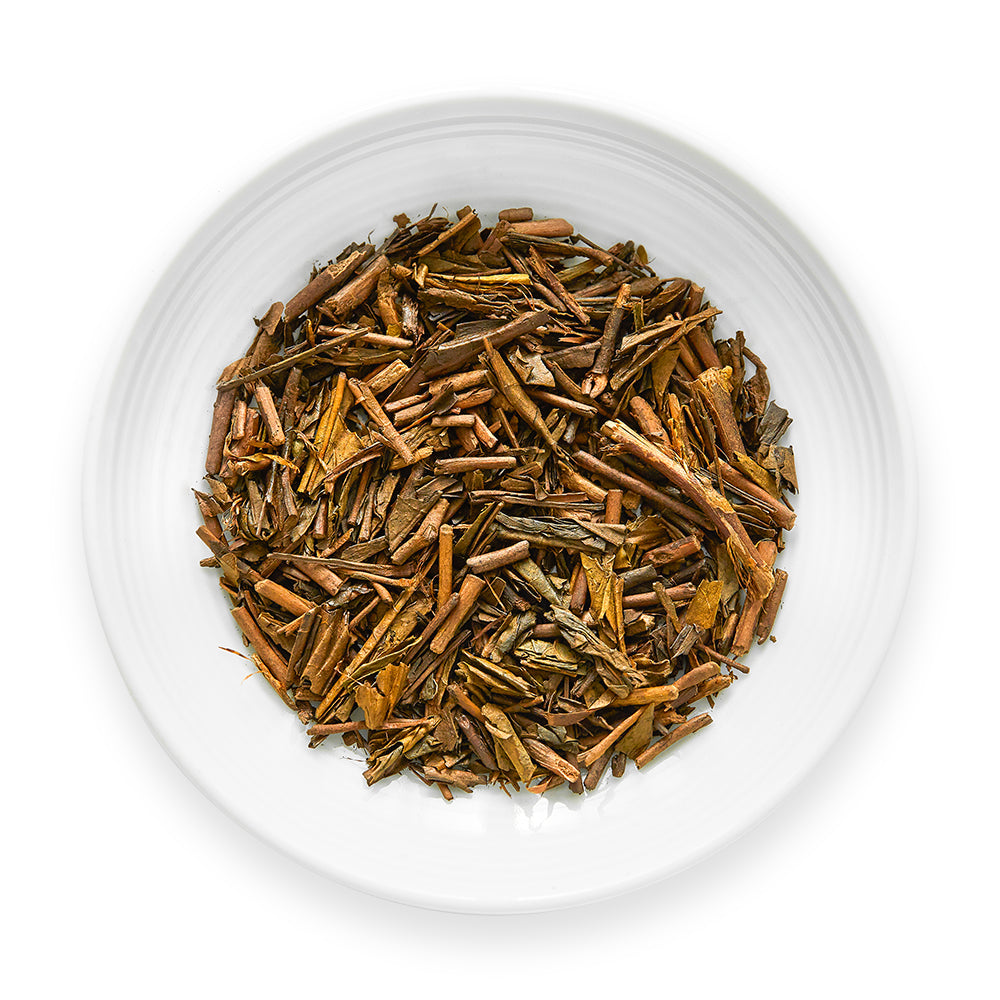
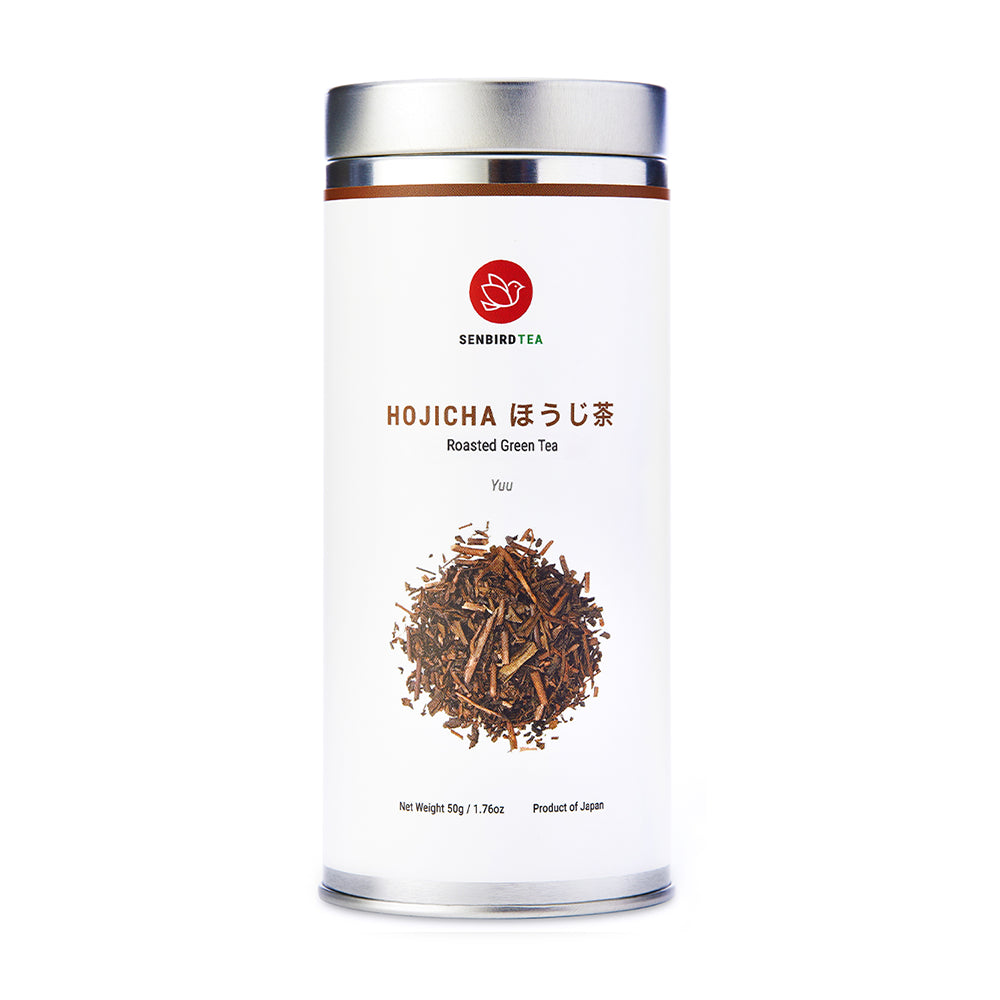
Hojicha is a distinctive Japanese roasted green tea that stands apart from other green teas due to its warm, toasty flavor profile, reddish-brown color, and naturally low caffeine content. Created in Kyoto in the 1920s when tea merchants began roasting lower-grade green tea leaves and stems over high heat, hojicha has evolved from a humble byproduct into one of Japan's most beloved everyday teas. The roasting process transforms the tea's chemistry, creating caramel and nutty notes while reducing bitterness and caffeine by 80–90% compared to unroasted green teas. Senbird Tea offers premium hojicha that captures the rich, comforting character of this unique roasted Japanese green tea.

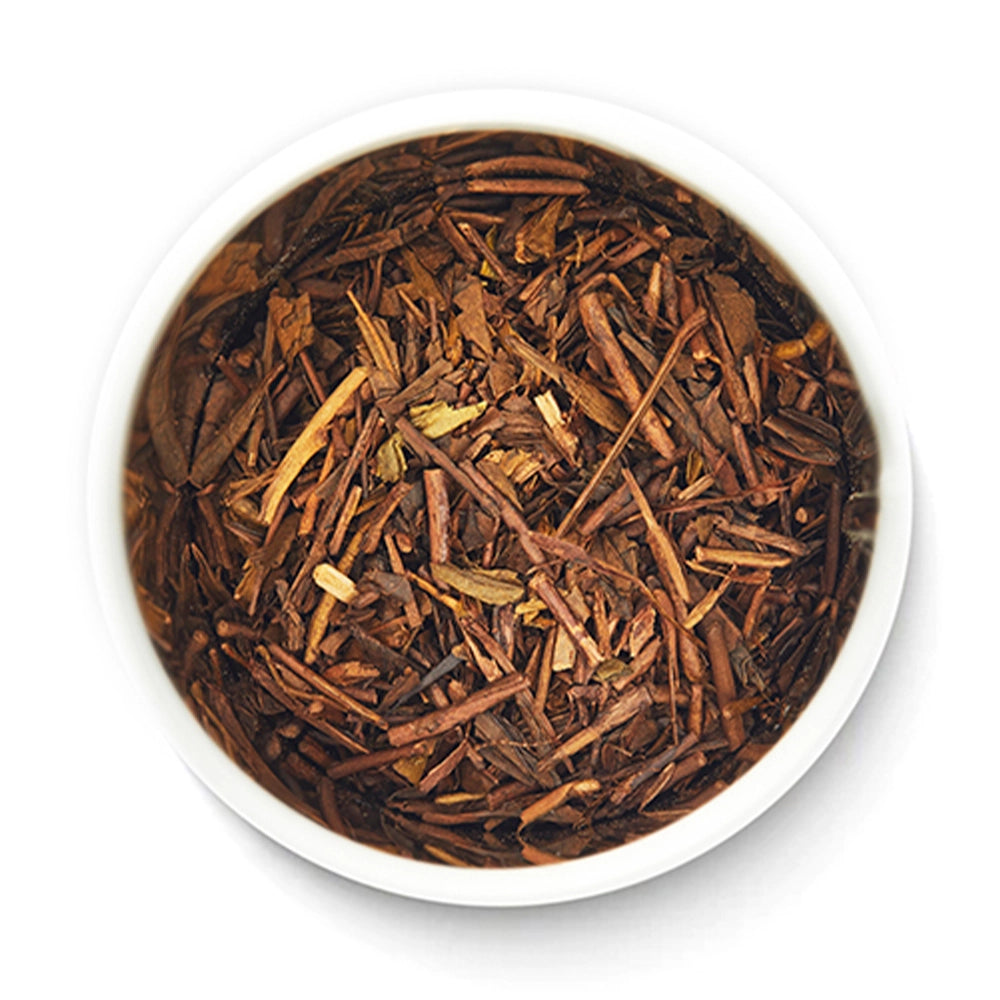
Hojicha is made by roasting Japanese green tea leaves, stems, or a combination of both at high temperatures (approximately 200°C / 390°F) in a porcelain pot over charcoal or in a roasting machine. This roasting process is what fundamentally distinguishes hojicha from all other Japanese green teas. While sencha, gyokuro, and matcha derive their character from steaming, shading, and grinding, hojicha's identity comes entirely from the Maillard reactions and caramelization that occur during roasting — the same chemical processes that give coffee, toasted bread, and roasted nuts their appealing flavors.
Hojicha was first developed in Kyoto during the 1920s as a practical innovation. Tea merchants had accumulated lower-grade bancha leaves, kukicha stems, and unsold sencha that were past their peak freshness. By roasting these materials at high temperatures, they created an entirely new tea with an appealing flavor, pleasant aroma, and remarkably low bitterness. The resulting product was affordable, easy to brew, and quickly became popular across all social classes in Japan. Today, hojicha is served at restaurants, convenience stores, and homes throughout Japan and has gained significant international popularity. Senbird Tea sources hojicha from Kyoto-region producers who continue the original roasting traditions that define this uniquely Japanese tea.

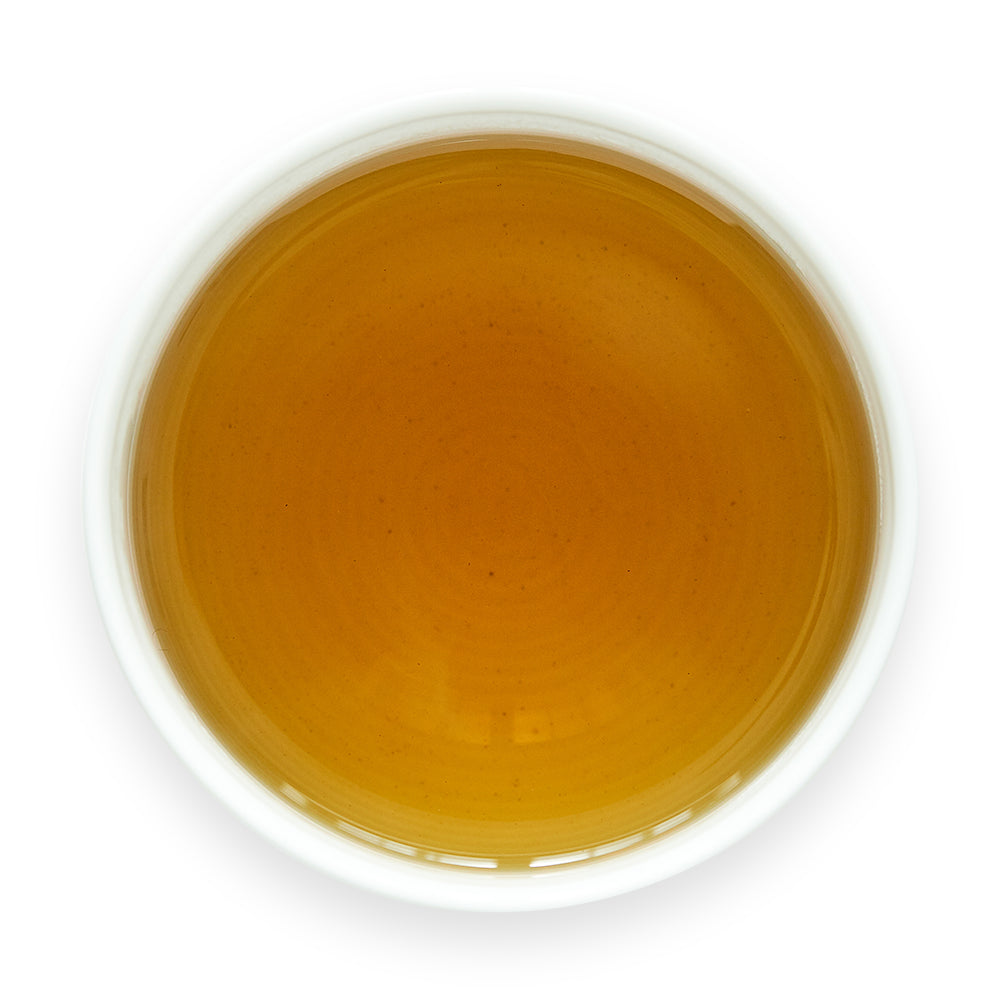
Hojicha has a warm, inviting flavor profile that is entirely unlike other green teas. The dominant taste notes include toasted caramel, roasted nuts (particularly almonds and hazelnuts), a subtle chocolate-like sweetness, and a clean, slightly smoky finish. There is virtually no bitterness or astringency — the roasting process breaks down the catechins and tannins responsible for green tea's sharp edge, leaving a smooth, mellow character that even people who typically dislike green tea find appealing.
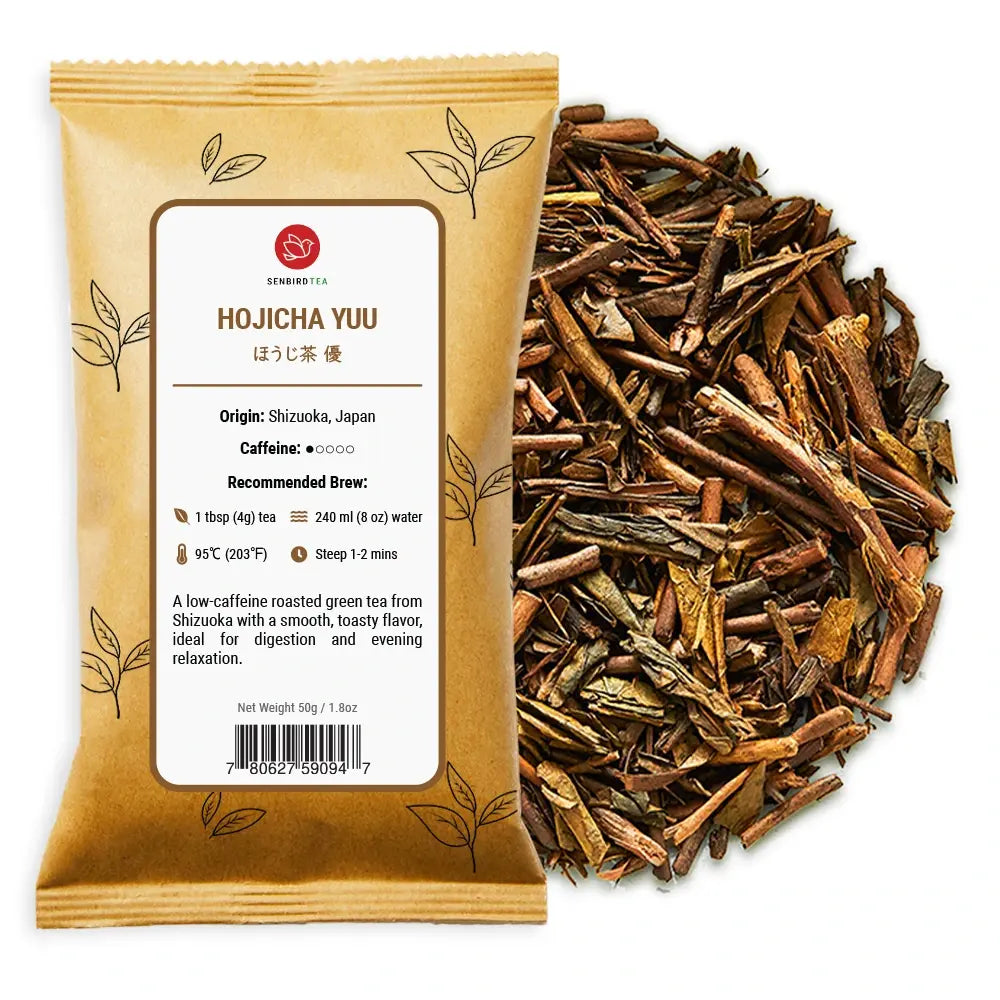
The aroma of hojicha is equally distinctive and is often the first thing people notice. The warm, toasty fragrance has been compared to roasted coffee, fresh popcorn, and toasted sesame. In Japan, the aroma of brewing hojicha is associated with comfort and relaxation, similar to the psychological effect of baking bread or brewing coffee in Western cultures. Senbird Tea's premium Hojicha Yuu produces a particularly rich, multi-layered aroma because the leaves are roasted in small batches using traditional methods that develop complex flavor compounds more effectively than industrial mass-roasting.

Hojicha retains many of the health benefits associated with green tea, though the roasting process alters the specific compound profile. While roasting reduces catechin content by approximately 40–60% compared to unroasted green tea, hojicha still contains meaningful levels of polyphenols, vitamins, and minerals. The remaining catechins, combined with unique compounds created during the Maillard reaction, provide antioxidant activity that research in the Journal of Agricultural and Food Chemistry has confirmed is significant even in roasted tea.
The most notable health advantage of hojicha is its extremely low caffeine content — approximately 7–15mg per cup compared to 30–50mg for sencha and 60–70mg for matcha. The high roasting temperatures volatilize (evaporate) a substantial portion of the caffeine molecules in the leaves, making hojicha suitable for evening consumption, for children, for pregnant individuals (in consultation with a healthcare provider), and for anyone seeking to reduce caffeine intake. Additionally, hojicha contains pyrazines — aromatic compounds formed during roasting — that Japanese aromatherapy research has associated with relaxation effects and stress reduction when inhaled. Senbird Tea's hojicha is the perfect evening tea that provides gentle health benefits without the sleep disruption that caffeinated green teas can cause.

Hojicha is one of the easiest and most forgiving Japanese teas to brew, making it an excellent choice for beginners and casual tea drinkers. Unlike delicate green teas that require precise temperature control, hojicha can be brewed with boiling or near-boiling water (195–212°F / 90–100°C) without developing bitterness, because the roasting process has already neutralized the compounds that cause astringency at high temperatures. Use approximately 4–5 grams of hojicha (about 2 tablespoons, as roasted leaves are lighter and more voluminous than unroasted tea) per 200ml of water.
Steep hojicha for 30–60 seconds for the first infusion. The shorter steep time is sufficient because the roasted, porous leaf structure releases flavor quickly. Hojicha can be reinfused 2–3 times with slightly longer steep times (45–90 seconds for subsequent infusions). For cold brew hojicha, use 10 grams per 500ml of cold water and steep in the refrigerator for 4–8 hours — cold brewed hojicha has a lighter, more refreshing character that makes an excellent caffeine-free summer beverage. Senbird Tea recommends experimenting with both hot and cold preparations to discover which best suits your preferences.

Hojicha powder is made by stone-grinding roasted green tea leaves into a fine powder, similar to how matcha is produced. This powder dissolves directly in water or milk, creating a creamy hojicha latte that has become extremely popular in Japanese cafes and internationally. Hojicha powder offers the full flavor and aroma of brewed hojicha in a more convenient, instantly dissolvable format that requires no straining or steeping.
Beyond lattes, hojicha powder is an increasingly popular ingredient in baking and dessert making. Its warm, caramel-nutty flavor pairs beautifully with chocolate, vanilla, cream cheese, and butter-based desserts. Hojicha powder can be used in cookies, cakes, ice cream, puddings, and even savory applications like hojicha-rubbed meats or hojicha pasta. Senbird Tea's hojicha powder maintains the same small-batch roasting quality as their whole-leaf hojicha, ensuring authentic flavor in every application.
| Hojicha Type | Made From | Caffeine Level | Flavor Character | Best Use |
|---|---|---|---|---|
| Leaf hojicha | Roasted bancha/sencha leaves | 7–15mg/cup | Toasty, caramel, clean finish | Hot brewing, cold brew |
| Stem hojicha (kuki hojicha) | Roasted kukicha stems | 5–10mg/cup | Lighter, sweeter, more delicate | Evening tea, gentle flavor |
| Hojicha powder | Ground roasted leaf | 7–15mg/serving | Creamy, rich, concentrated | Lattes, baking, desserts |
Hojicha is classified as a green tea despite its brown color and roasted flavor because it begins its life as a standard Japanese green tea (typically bancha, sencha, or kukicha) that is steamed immediately after harvest to prevent oxidation — the defining characteristic of green tea processing. The roasting step occurs after the standard green tea processing is complete, meaning hojicha is technically a roasted green tea rather than a distinct tea category. This distinguishes hojicha from Chinese roasted teas like Longjing or from oolong teas, which undergo partial oxidation before roasting. Hojicha shares its green tea classification with sencha, gyokuro, matcha, and bancha.
Hojicha does contain fewer catechins (the primary antioxidant group in green tea) than unroasted teas like sencha and matcha because the high-temperature roasting process degrades approximately 40–60% of the original catechin content. However, hojicha is not devoid of antioxidant activity. The Maillard reaction products (melanoidins) formed during roasting have their own documented antioxidant properties, and the remaining catechins still contribute meaningful health benefits. A study in the Journal of the Science of Food and Agriculture found that roasted green tea retained significant total polyphenol content and free radical scavenging ability. If maximizing antioxidant intake is your primary goal, sencha or matcha are more effective choices, but hojicha still offers more antioxidants than most non-tea beverages.
Hojicha is one of the best tea choices for evening and pre-bedtime consumption due to its very low caffeine content of approximately 7–15mg per cup. For comparison, a cup of decaffeinated coffee typically contains 2–15mg of caffeine, putting hojicha in a similar range. Most sleep researchers consider caffeine intake below 20mg to be unlikely to disrupt sleep quality for the average adult. The warm, soothing aroma of hojicha and its smooth, non-stimulating flavor profile also create a calming pre-sleep ritual. Senbird Tea recommends hojicha as the ideal Japanese tea for the evening hours when you want the comfort of a warm tea without any concern about sleep disruption.
Hojicha and genmaicha are both Japanese teas with toasty, nutty flavors, but they achieve this character through completely different methods. Hojicha is green tea that has been roasted at high temperatures, transforming the tea leaves themselves into a toasty, caramel-flavored tea. Genmaicha is unroasted green tea (typically bancha or sencha) blended with toasted and popped rice, where the rice provides the toasty, nutty flavor while the tea retains its standard green tea character. Hojicha has a more uniformly roasted flavor and a reddish-brown liquor, while genmaicha has a dual character — grassy green tea notes alongside popcorn-like rice flavors — and produces a yellowish-green liquor. Both are considered approachable everyday teas in Japan.
Hojicha is widely considered one of the most child-friendly teas in Japan because of its very low caffeine content, naturally sweet and non-bitter flavor, and gentle character. Many Japanese families introduce children to hojicha as their first tea experience. The caffeine content of 7–15mg per cup is well within the recommended limits for school-age children (the American Academy of Pediatrics suggests no more than 45mg per day for children aged 4–6). Hojicha can also be brewed lighter than normal or served at room temperature for younger children. Senbird Tea notes that hojicha's appealing aroma and absence of bitterness make it a natural favorite among children who might refuse other green teas.
ほうじ茶優
A low-caffeine roasted green tea from Shizuoka with a smooth, toasty flavor, ideal for digestion and evening relaxation.