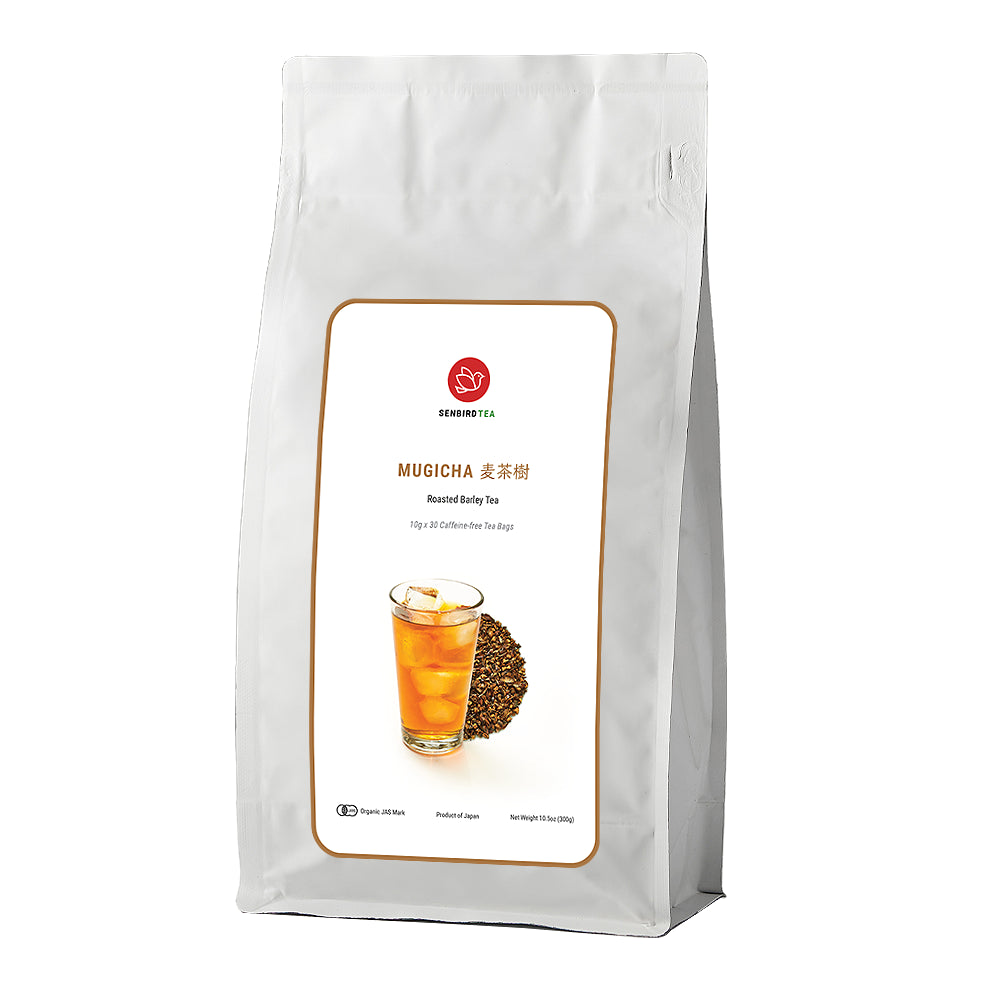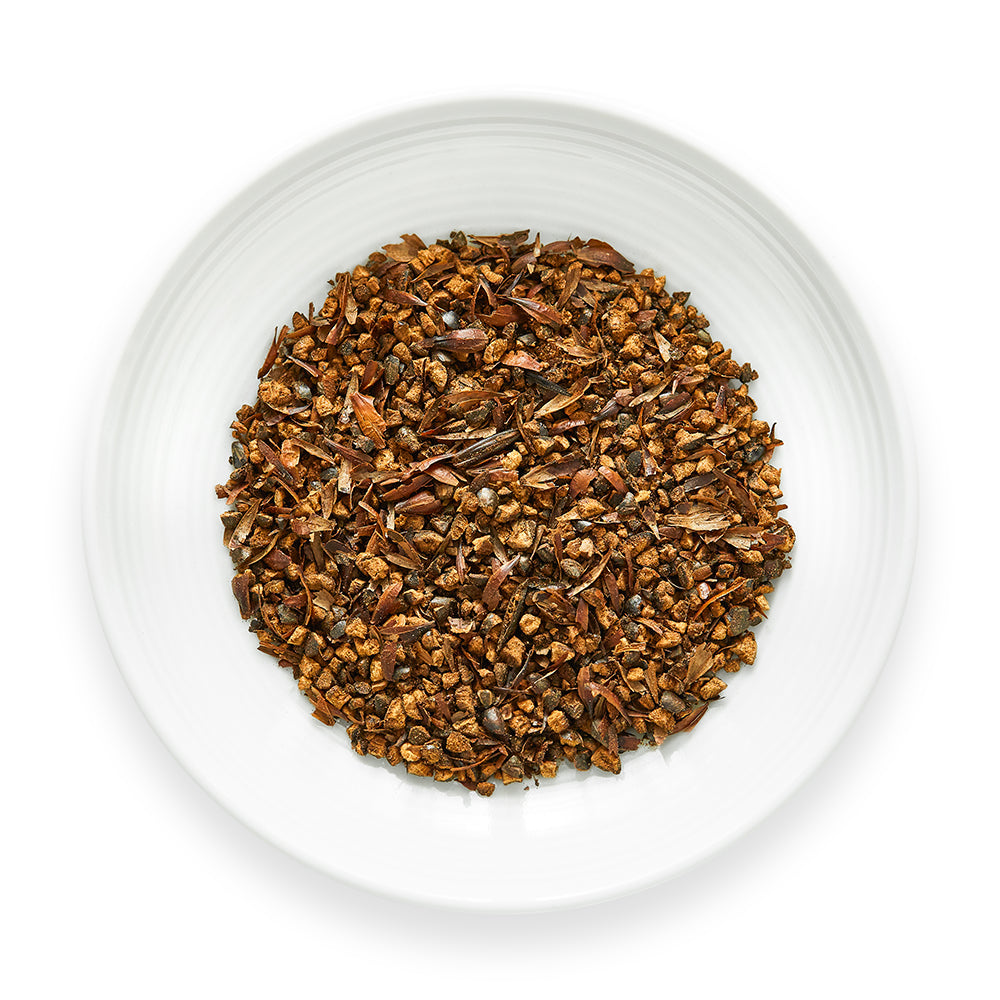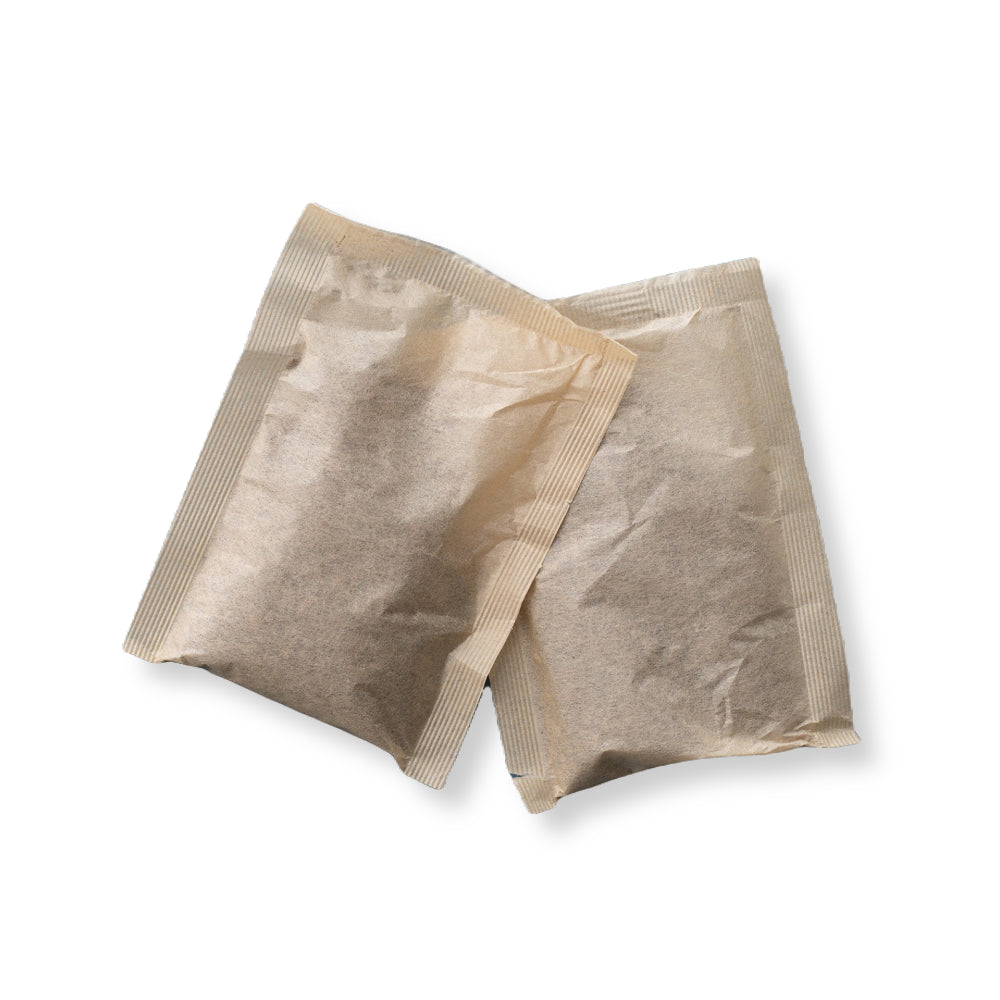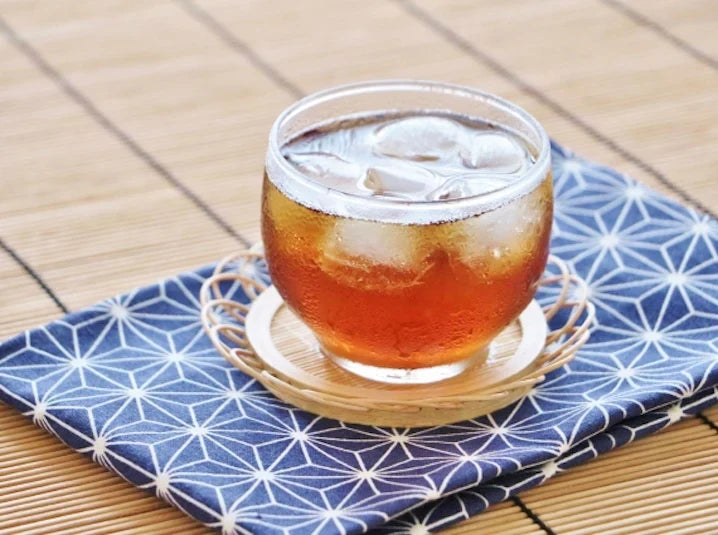


Mugicha (roasted barley tea) is Japan's most beloved caffeine-free beverage, served cold in virtually every Japanese household, school, and convenience store during the summer months and enjoyed warm year-round. Brewing mugicha at home is remarkably simple — it can be prepared using hot water steeping, stovetop boiling, or cold brewing — and produces a naturally sweet, toasty beverage with zero caffeine, zero calories, and zero sugar. Senbird Tea offers premium roasted barley specifically selected for its deep, complex flavor profile that makes homemade mugicha far superior to commercially bottled versions.

Mugicha has a distinctive warm, toasty flavor profile that is entirely unique among teas. The dominant taste notes include roasted grain (similar to toasted bread or roasted nuts), a subtle natural sweetness, and a clean, slightly malty finish with no bitterness or astringency. Because mugicha is made from roasted barley rather than the Camellia sinensis tea plant, it contains no tannins — the compounds that make green and black teas taste bitter when over-steeped. This absence of tannins is one reason mugicha is so universally appealing, even to children and people who dislike conventional tea.
The flavor of mugicha varies depending on the roasting level of the barley and the brewing method used. Lighter roasts produce a milder, more grain-forward taste, while darker roasts (which Senbird Tea favors) create deeper caramel and toasted notes with a richer, more satisfying body. Cold-brewed mugicha tends to taste lighter and more refreshing than hot-brewed or boiled versions, making it the preferred preparation method for summer. Hot mugicha has a fuller, more enveloping flavor that many Japanese families enjoy during autumn and winter as a caffeine-free alternative to green tea after dinner.
Mugicha delivers several notable health benefits despite being a simple roasted grain infusion rather than a traditional tea. Research published in the Journal of the American Society of Brewing Chemists found that roasted barley contains alkylpyrazines — compounds formed during the roasting process — that improve blood fluidity by inhibiting blood platelet aggregation. This effect may support cardiovascular health by reducing the risk of blood clots, making mugicha particularly beneficial for people concerned about circulatory health.

Mugicha is also naturally rich in minerals including magnesium, potassium, phosphorus, and zinc. Because it is caffeine-free, it can be consumed in unlimited quantities without the stimulant effects, sleep disruption, or dependency associated with caffeinated beverages. This makes mugicha the ideal hydration choice for children, pregnant individuals, people with caffeine sensitivity, and anyone looking to reduce their overall caffeine intake. A 2012 study in the Journal of Agricultural and Food Chemistry also identified antioxidant compounds in roasted barley that may contribute to cellular protection against oxidative stress. Senbird Tea's mugicha provides all of these benefits in a delicious, zero-calorie package that makes healthy hydration effortless.
Mugicha can be brewed using three different methods, each producing a slightly different flavor experience. The method you choose depends on how much time you have, the flavor intensity you prefer, and whether you want to serve the mugicha hot or cold. All three methods use the same premium roasted barley from Senbird Tea — the only variables are water temperature, steeping time, and technique.
Cold brewing is the most popular preparation method in Japan during summer because it requires virtually zero effort and produces the lightest, most refreshing version of mugicha. Simply add 15–20 grams (about 3–4 tablespoons) of Senbird Tea roasted barley to a 1-liter glass pitcher, fill with cold filtered water, cover, and refrigerate for 4–8 hours. The longer you steep, the deeper the flavor — mugicha is extremely forgiving and will not become bitter even if left overnight or for 12+ hours. Strain out the barley or remove the filter basket and enjoy chilled. This method produces the mildest, most refreshing flavor profile.
Hot brewing produces mugicha in just 5–10 minutes and creates a warmer, richer flavor than cold brewing. Bring 1 liter of water to a boil, remove from heat, and add 15–20 grams of roasted barley. Steep for 5–10 minutes depending on your desired strength, then strain. For cold serving, allow the mugicha to cool to room temperature before refrigerating — never place a hot glass pitcher directly in the refrigerator as the thermal shock can crack the glass. Hot-brewed mugicha that is then chilled tends to have a slightly deeper, more robust flavor than cold-brewed mugicha because the hot water extracts more of the roasted compounds.
Boiling mugicha on the stovetop produces the most intense, full-bodied flavor and is the traditional preparation method used in many Japanese households. Add 15–20 grams of roasted barley to 1 liter of water and bring to a boil. Once boiling, reduce heat to a gentle simmer and cook for 5–10 minutes. The longer you boil, the deeper and more concentrated the flavor becomes. Strain the barley and serve hot, or cool and refrigerate for a richly flavored cold version. This method is particularly recommended for autumn and winter drinking when you want a warming, deeply satisfying beverage.
| Brewing Method | Water Temp | Steep/Cook Time | Flavor Profile | Best For |
|---|---|---|---|---|
| Cold Brew | Cold (refrigerator) | 4–8+ hours | Light, refreshing, clean | Summer sipping, no effort |
| Hot Brew | Boiling, then off heat | 5–10 minutes | Medium body, balanced | Quick preparation, versatile |
| Stovetop Boil | Boiling/simmering | 5–10 minutes on stove | Rich, deep, full-bodied | Winter warmth, bold flavor |
People with celiac disease or gluten sensitivity should exercise caution with mugicha. Barley is a gluten-containing grain, and while the roasting and brewing process may reduce the amount of gluten protein that transfers into the liquid, mugicha has not been reliably tested to meet the FDA threshold of less than 20 parts per million required for a "gluten-free" label. Some celiac disease organizations advise against consuming barley-based beverages, while others note that the amount of gluten in barley tea may be minimal. Individuals with celiac disease should consult their gastroenterologist before consuming mugicha. For a completely gluten-free alternative, buckwheat tea (sobacha) offers a similar toasty, caffeine-free profile without any gluten risk.
Brewed mugicha lasts 2–3 days in the refrigerator when stored in a sealed container. Unlike caffeinated green teas, which can develop off-flavors relatively quickly after brewing, mugicha's simple composition means it remains stable and pleasant-tasting for a longer period. However, because mugicha contains no natural preservatives, it can develop bacteria if left at room temperature for extended periods, especially in warm weather. Senbird Tea recommends refrigerating mugicha within 2 hours of brewing and consuming it within 48 hours for the best flavor. If your mugicha develops a sour smell or cloudy appearance, discard it and brew a fresh batch.
Mugicha is traditionally served plain without any additions, and its naturally sweet, toasty flavor is satisfying on its own. However, several additions can create enjoyable variations. A small amount of honey or brown sugar adds sweetness that complements the roasted barley notes. A squeeze of fresh lemon or yuzu juice adds brightness and makes a refreshing summer spritzer when combined with sparkling water. In Korea, where roasted barley tea (boricha) is equally popular, it is sometimes mixed with roasted corn tea for a richer, multi-grain flavor. Senbird Tea encourages experimentation while noting that the quality of plain mugicha from premium roasted barley often needs no enhancement.
Mugicha is considered one of the safest beverages during pregnancy because it is completely caffeine-free, calorie-free, and made from a simple roasted grain. The Japanese Ministry of Health, Labour and Welfare includes mugicha among recommended beverages for pregnant individuals as a hydration option that avoids the caffeine concerns associated with coffee and green tea. Mugicha's mineral content (magnesium, potassium) can actually support pregnancy health. However, as with any food or beverage during pregnancy, individuals should consult their healthcare provider, particularly if they have gluten sensitivity or celiac disease, since barley contains gluten.
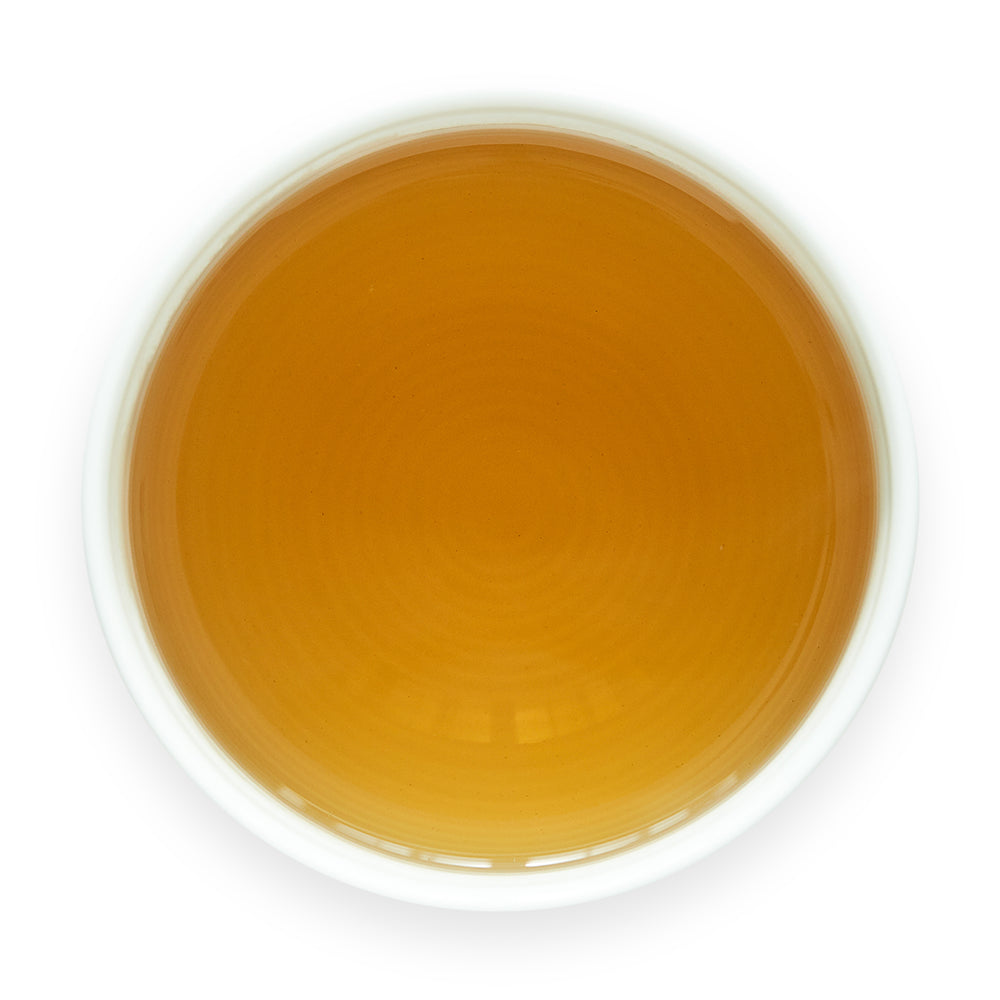
Mugicha and barley water are distinctly different beverages despite both being made from barley. Mugicha uses roasted barley — the barley grains are dry-roasted at high temperatures until they turn dark brown, developing the characteristic toasty, caramel-like flavor through Maillard reactions. The roasted barley is then steeped in water and discarded. Barley water, by contrast, uses raw or lightly cooked barley that is simmered in water for an extended period, often with added lemon, sweetener, or other flavorings. Barley water has a much milder, grain-porridge flavor and a slightly starchy, opaque appearance compared to mugicha's clear, amber liquid. The roasting process is what gives Senbird Tea's mugicha its distinctive deep flavor and aroma that has made it Japan's signature summer beverage.
麦茶樹
A smoky, full-bodied barley tea with toasty, nutty notes and zero caffeine, perfect for refreshing moments shared with family and friends.