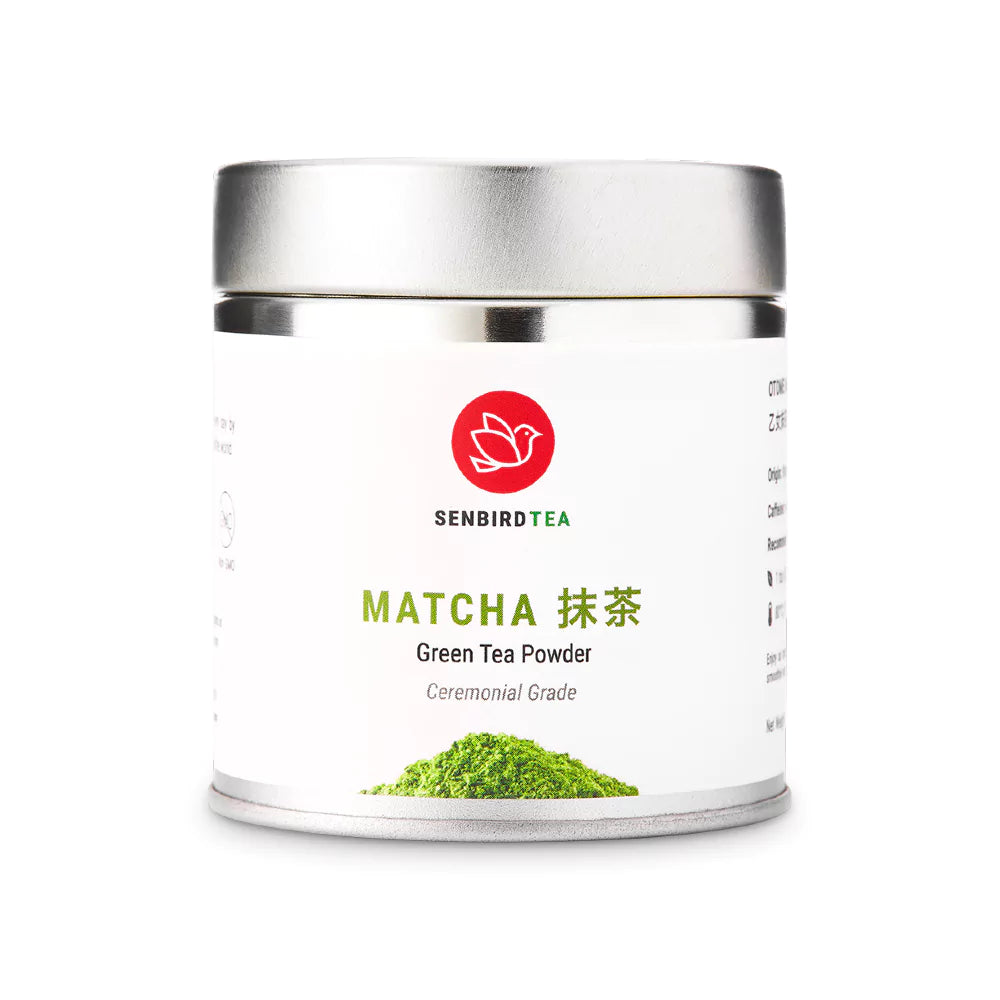


Matcha green tea powder delivers more health benefits per cup than any other variety of Japanese tea. Because you consume the entire stone-ground leaf rather than steeping and discarding it, matcha provides a concentrated dose of antioxidants, amino acids, and vitamins that support everything from sustained energy to clearer skin. At Senbird Tea, we source our ceremonial-grade matcha directly from Uji, Kyoto—one of Japan’s most renowned matcha-growing regions—so every serving reflects generations of cultivation expertise.

Most teas release only a fraction of their beneficial compounds into hot water during steeping. With matcha, the entire shade-grown leaf is stone-ground into a fine powder, meaning you ingest 100% of the leaf’s nutrients. Research published in the Journal of Chromatography A found that matcha contains up to 137 times the EGCG (epigallocatechin gallate) of standard green tea. EGCG is a catechin antioxidant linked to reduced inflammation, improved cardiovascular markers, and enhanced cellular protection.
Senbird Tea’s matcha is shade-covered for 3–4 weeks before harvest, which boosts chlorophyll and L-theanine levels significantly. This shading process is what gives matcha its vibrant green color and distinguishes premium ceremonial-grade powder from culinary blends.
A single serving of matcha contains roughly 60–70 mg of caffeine—comparable to a shot of espresso—but the experience is fundamentally different. L-theanine, an amino acid abundant in shade-grown teas, promotes alpha brain wave activity associated with calm alertness. A 2017 study in Food Research International found that the combination of caffeine and L-theanine in matcha improved attention, reaction time, and memory more effectively than caffeine alone.

Unlike coffee, which can trigger cortisol spikes and jittery energy crashes, matcha releases caffeine gradually over 4–6 hours. This steady metabolic release means sustained productivity without the afternoon slump, making matcha a popular choice among professionals and students who need extended focus.
The catechins in matcha—particularly EGCG—have been studied extensively for cardiovascular benefits. A meta-analysis in the European Journal of Preventive Cardiology found that regular green tea consumption was associated with a 28% lower risk of coronary artery disease. Matcha amplifies these effects because the whole-leaf consumption delivers far higher catechin concentrations than brewed green tea.
EGCG also exhibits potent antioxidant activity that neutralizes free radicals and supports healthy cell turnover. While matcha is not a medical treatment, incorporating it into a balanced diet adds a meaningful layer of daily antioxidant protection that complements other healthy habits.
Matcha’s high chlorophyll content supports the body’s natural detoxification processes by binding to heavy metals and chemical toxins, aiding their elimination. Chlorophyll also has anti-inflammatory properties that can help reduce redness and support an even skin tone.

The antioxidants in matcha protect skin cells from UV-induced oxidative damage—a leading cause of premature aging. A 2019 study in Nutrients found that topical and dietary green tea polyphenols improved skin elasticity and hydration markers. Drinking Senbird Tea matcha daily provides these polyphenols from the inside out, complementing any external skincare routine.
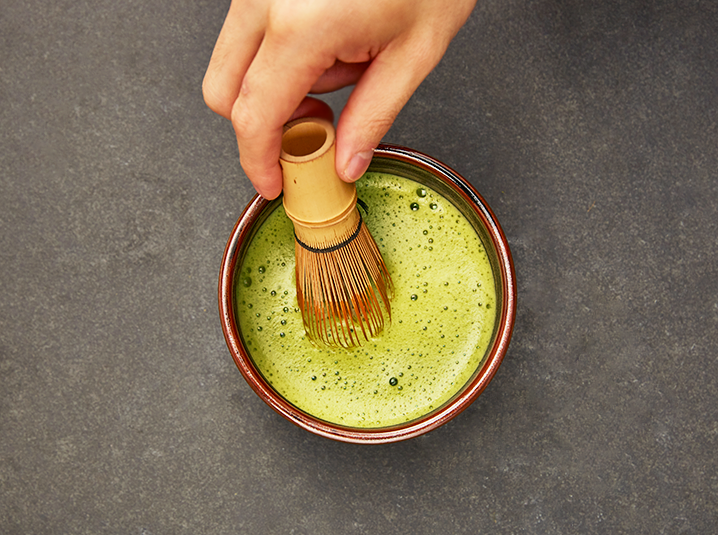
The traditional Japanese preparation involves sifting 1–2 grams of matcha into a chawan (tea bowl), adding 60–80 ml of 80°C (176°F) water, and whisking briskly with a chasen (bamboo whisk) in a W-shaped motion until frothy. This ceremonial method takes under two minutes and creates a smooth, creamy cup.
For a modern approach, blend matcha into lattes, smoothies, or overnight oats. Senbird Tea’s ceremonial-grade matcha dissolves cleanly without bitterness, making it versatile for both traditional and contemporary preparations.
| Benefit | Matcha | Brewed Green Tea | Coffee |
|---|---|---|---|
| EGCG per serving | 137x higher | Baseline | None |
| Caffeine | 60–70 mg | 30–50 mg | 95–200 mg |
| L-Theanine | High (calm focus) | Moderate | Minimal |
| Energy Duration | 4–6 hours | 2–3 hours | 1–3 hours |
| Chlorophyll | Very high | Low–moderate | None |
With matcha you consume the entire ground tea leaf, which delivers up to 137 times more EGCG antioxidants than standard brewed green tea. The shade-growing process also increases L-theanine and chlorophyll concentrations, giving matcha a more complete nutritional profile.
Many people successfully switch from coffee to matcha for sustained energy. Matcha provides 60–70 mg of caffeine combined with L-theanine, which promotes calm alertness lasting 4–6 hours without the jitters or crash typically associated with coffee.
Most health studies use 1–3 servings daily (about 1–2 grams per serving). This amount provides meaningful antioxidant benefits while keeping caffeine intake within moderate levels. Pregnant women and those sensitive to caffeine should consult their doctor first.
Ceremonial-grade matcha like Senbird Tea’s Uji-sourced powder contains higher concentrations of L-theanine and catechins than culinary-grade alternatives. The shade-growing duration, harvest timing, and stone-grinding process all directly impact the nutrient density of the final product.
Research suggests that the catechins and chlorophyll in matcha support skin health by neutralizing free radicals, reducing UV-induced oxidative damage, and supporting natural detoxification. Drinking matcha provides these polyphenols systemically, complementing topical skincare products.
抹茶乙女
Our best-selling ceremonial Okumidori matcha with a silky body, mellow cocoa notes, and refined umami, perfect for traditional preparation or refined lattes.