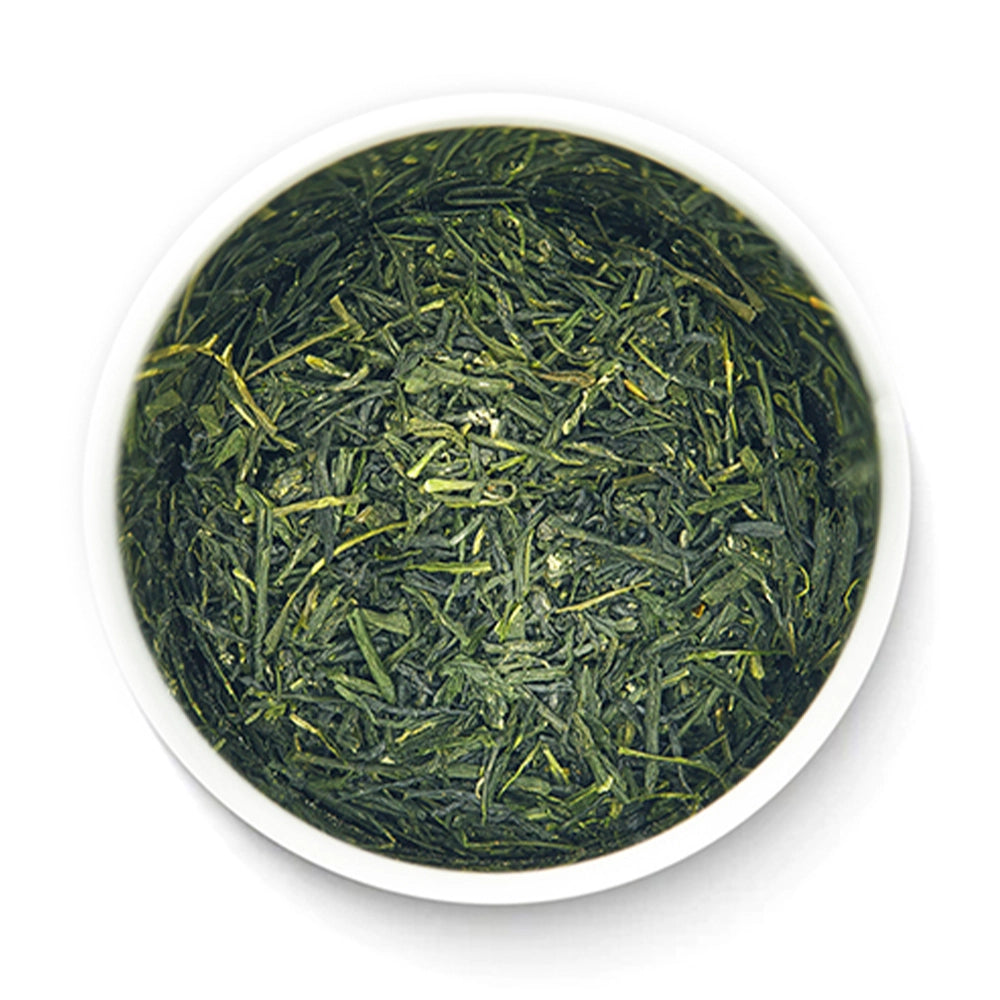


Drinking tea — especially Japanese green tea — delivers a concentrated dose of antioxidants, amino acids, and polyphenols linked to healthier skin, lower stress, stronger teeth, and easier weight management. Senbird Tea sources single-origin Japanese teas rich in catechins and L-theanine, two compounds at the center of modern tea-health research. Below are four science-backed benefits and the teas that maximize each one.
The information provided in this article is for educational and informational purposes only and is not intended as medical advice. It should not be used as a substitute for professional medical advice, diagnosis, or treatment. Always consult your physician or other qualified healthcare provider with any questions you may have regarding a medical condition or before making any changes to your diet or wellness routine.

Tea originated in China thousands of years ago and quickly became valued as natural medicine long before laboratory science confirmed its compounds.
Japanese green teas are steamed rather than pan-fired, a processing method that preserves up to 30 percent more catechins (especially EGCG) than Chinese-style roasting according to a 2020 study in the Journal of Food Science. That makes varieties like sencha, gyokuro, and matcha among the most nutrient-dense teas in the world.

Green tea is rich in epigallocatechin gallate (EGCG), a catechin that acts as a potent antioxidant. A 2019 meta-analysis in the journal Nutrients found that EGCG neutralizes free radicals caused by UV exposure and environmental pollution, both of which accelerate skin aging. Regular consumption can improve skin elasticity and reduce redness.
Matcha Otome green tea powder delivers especially high levels of EGCG because you ingest the whole leaf. Studies show matcha contains roughly 137 times the EGCG of standard brewed green tea. Adding one to two cups of Senbird Tea's matcha to your daily routine provides a significant antioxidant boost for skin health.

Tea contains L-theanine, an amino acid that promotes alpha brain-wave activity — the same pattern seen during calm, focused states. A 2021 randomized controlled trial published in Nutrients found that 200 mg of L-theanine (roughly the amount in two cups of gyokuro shade-grown green tea) significantly reduced stress-related symptoms compared to placebo.
The sense of calm tea provides is not sedation — L-theanine works alongside caffeine to produce "alert relaxation." This balance makes tea ideal for focus without jitters, which is why Zen monks historically drank matcha before long meditation sessions.
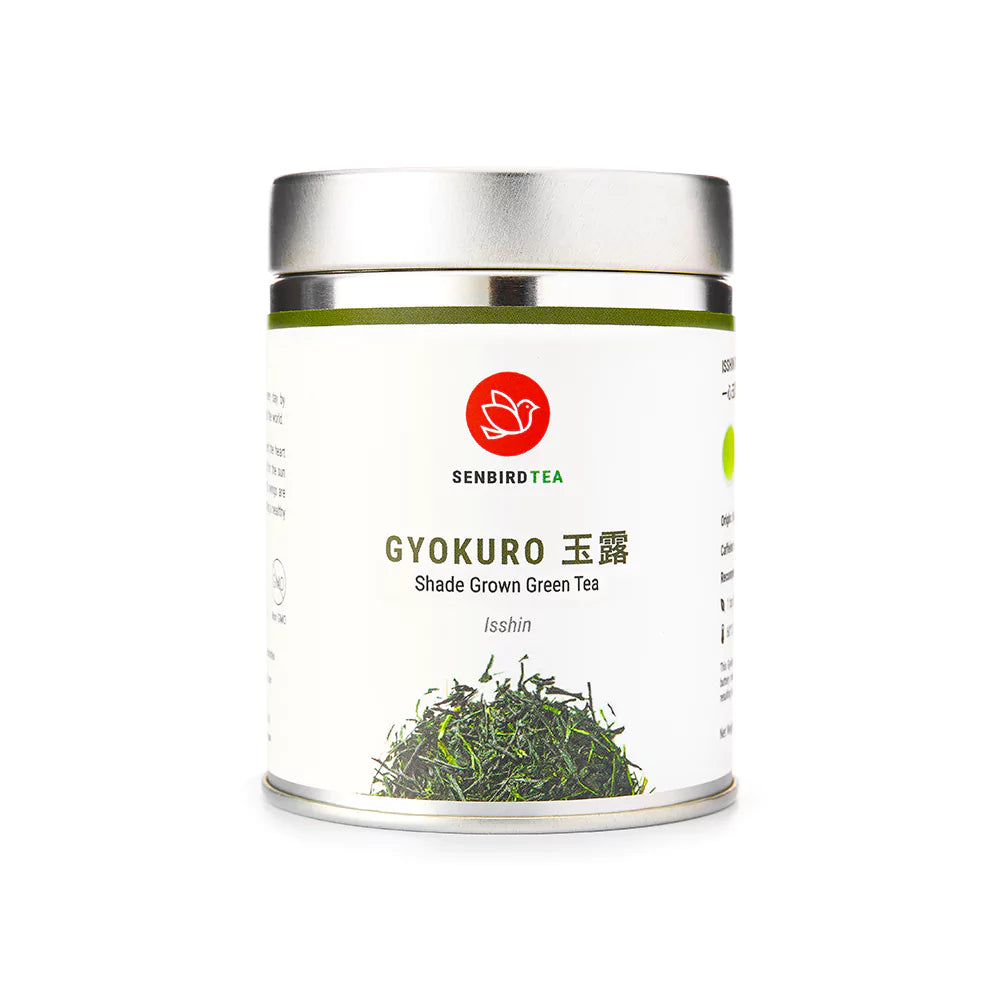
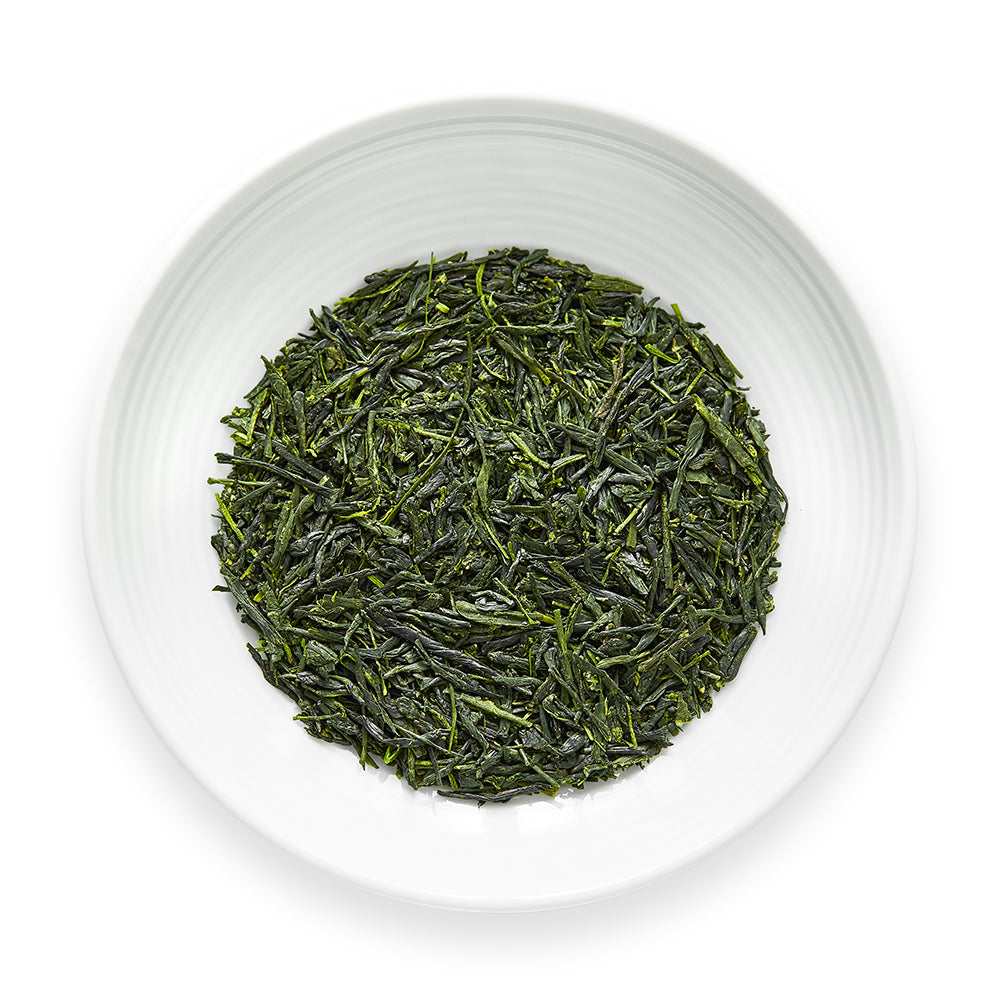
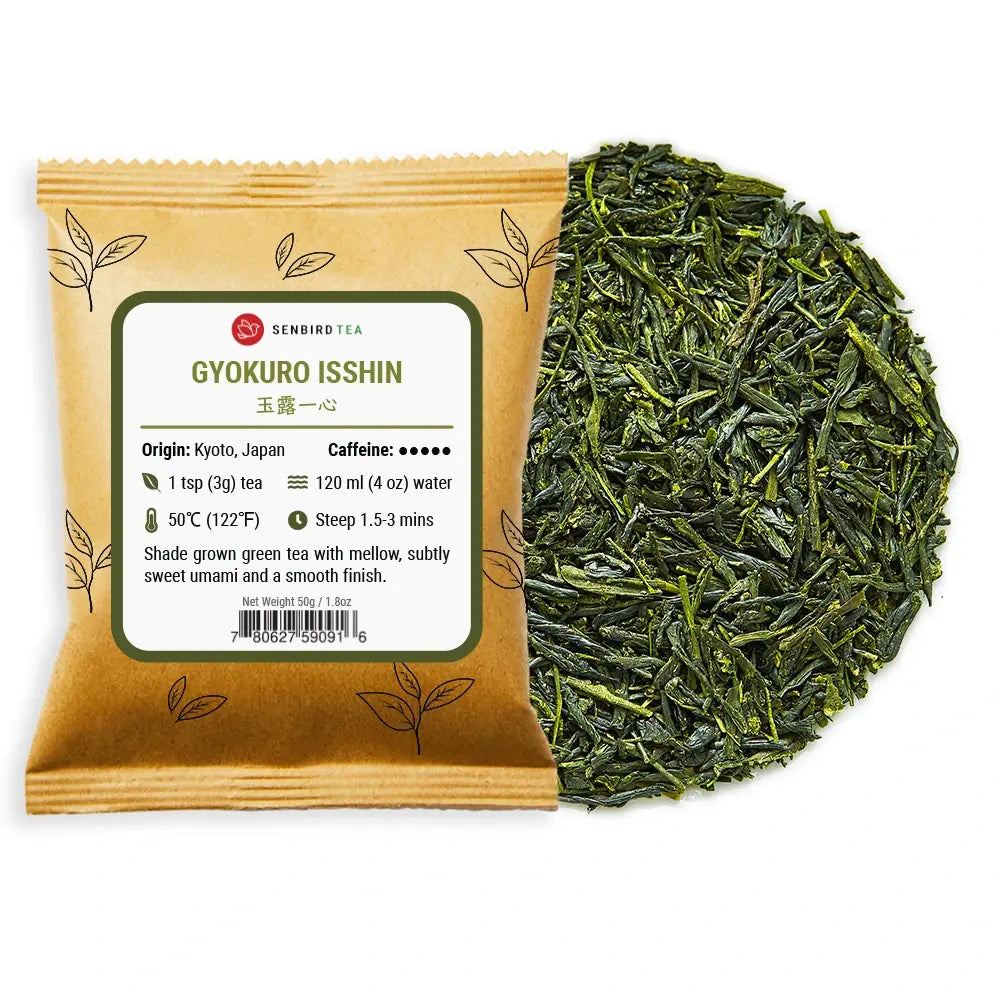
Senbird Tea's Gyokuro Isshin, shade-grown for 20+ days, contains some of the highest L-theanine levels of any tea variety.

Tea leaves naturally contain fluoride, and green tea catechins inhibit the growth of Streptococcus mutans, the primary bacterium responsible for dental plaque and cavities. A 2020 systematic review in the European Journal of Dentistry concluded that regular green tea consumption reduces plaque formation and lowers cavity risk without the added sugar found in many other beverages.
Unlike coffee, which can stain enamel and increase acidity in the mouth, green tea is closer to neutral pH and actively supports oral health. For maximum benefit, drink it unsweetened — Senbird Tea's sencha and hojicha are naturally smooth enough to enjoy without sweetener.

Green tea catechins, particularly EGCG, have been shown to increase fat oxidation and boost metabolic rate. A meta-analysis of 11 randomized controlled trials published in the International Journal of Obesity found that green tea extract increased energy expenditure by an average of 4.7 percent over 24 hours. Combined with caffeine, catechins help the body burn stored fat more efficiently during both rest and exercise.
Matcha is especially effective because consuming the whole leaf delivers the full spectrum of catechins. A single serving of Senbird Tea's ceremonial-grade matcha contains roughly the antioxidant equivalent of ten cups of regular brewed tea. Pairing daily matcha with moderate activity and balanced nutrition amplifies results.

| Benefit | Key Compound | Best Tea | Evidence Level |
|---|---|---|---|
| Healthy Skin | EGCG (antioxidant) | Matcha, Sencha | Strong — multiple meta-analyses |
| Relaxation | L-theanine | Gyokuro, Matcha | Strong — RCTs confirm alpha-wave boost |
| Tooth Decay Prevention | Fluoride + catechins | Sencha, Hojicha | Moderate — systematic reviews |
| Weight Management | EGCG + caffeine | Matcha, Sencha | Moderate — 11-study meta-analysis |

Most clinical studies showing measurable benefits use two to three cups per day, providing roughly 200–300 mg of catechins and 100–200 mg of L-theanine. One cup of matcha equals approximately three cups of brewed sencha in antioxidant content, so a single daily matcha serving can deliver comparable results.
Green tea retains more catechins because it is minimally oxidized, while black tea converts catechins into theaflavins during full oxidation. Both offer health benefits, but green tea — especially Japanese steamed varieties from Senbird Tea — delivers higher EGCG levels per cup, making it the stronger choice for antioxidant-focused goals like skin health and weight management.
Tea supports skin health from the inside by reducing oxidative stress, but it does not replace topical sunscreen or moisturizer. Think of daily green tea as a complementary layer of protection. The EGCG in matcha and sencha works systemically to neutralize free radicals that topical products cannot always reach.
Green tea causes significantly less staining than black tea or coffee because it contains fewer tannins. Japanese green teas like sencha and gyokuro are among the lightest-colored teas available. To minimize any residual tinting, rinse with water after drinking or brush 30 minutes later.
Research suggests drinking green tea 30 minutes before exercise maximizes fat oxidation. Morning consumption is also effective because it jumpstarts metabolism after overnight fasting. Avoid drinking green tea on a completely empty stomach if you are sensitive to caffeine — pairing it with a light breakfast helps buffer absorption.
玉露一心
An Asatsuyu gyokuro with a sweet, mellow umami and a smooth finish perfect for grounding moments.