

Different Japanese green teas contain varying levels of caffeine, L-theanine, and catechins, making some better suited for morning energy, others for afternoon focus, and certain varieties ideal for evening relaxation. This Senbird Tea guide matches the right Japanese tea to each part of your day based on caffeine content, flavor profile, and the specific benefits each tea delivers.
Caffeine sensitivity follows a circadian pattern. Most adults metabolize caffeine with a half-life of 3–5 hours, meaning half the caffeine from a cup of sencha consumed at 2 PM may still be active at 5–7 PM. L-theanine modulates caffeine’s effects by promoting alpha brain wave activity associated with calm focus, but it cannot fully counteract a high caffeine dose consumed late in the day. Research published in the Journal of Clinical Sleep Medicine (2013) found that caffeine consumed even 6 hours before bedtime significantly reduced sleep quality. Strategic tea selection throughout the day ensures you get the right energy at the right time from your Senbird Tea collection.
Best choices: Matcha, Gyokuro, or strong Sencha
Mornings call for teas with higher caffeine and L-theanine content to provide sustained, focused energy for the day ahead. Matcha is the most potent option—because you consume the entire ground leaf, one serving delivers approximately 60–70 mg of caffeine plus the highest concentration of L-theanine of any tea. This combination produces alert, calm focus that lasts 3–4 hours without the jittery crash of coffee.
Gyokuro, Japan’s most premium shaded green tea, is another excellent morning choice. Its shade-growing process increases both caffeine and L-theanine levels significantly. A cup of gyokuro contains approximately 35–45 mg of caffeine per 150 ml serving—less than matcha but more than standard sencha—with an exceptionally rich umami flavor that pairs well with a Japanese breakfast. Senbird Tea’s sencha, brewed strong with slightly hotter water, also provides a bright, energizing start to the day.
Best choices: Sencha, Genmaicha, or Kukicha
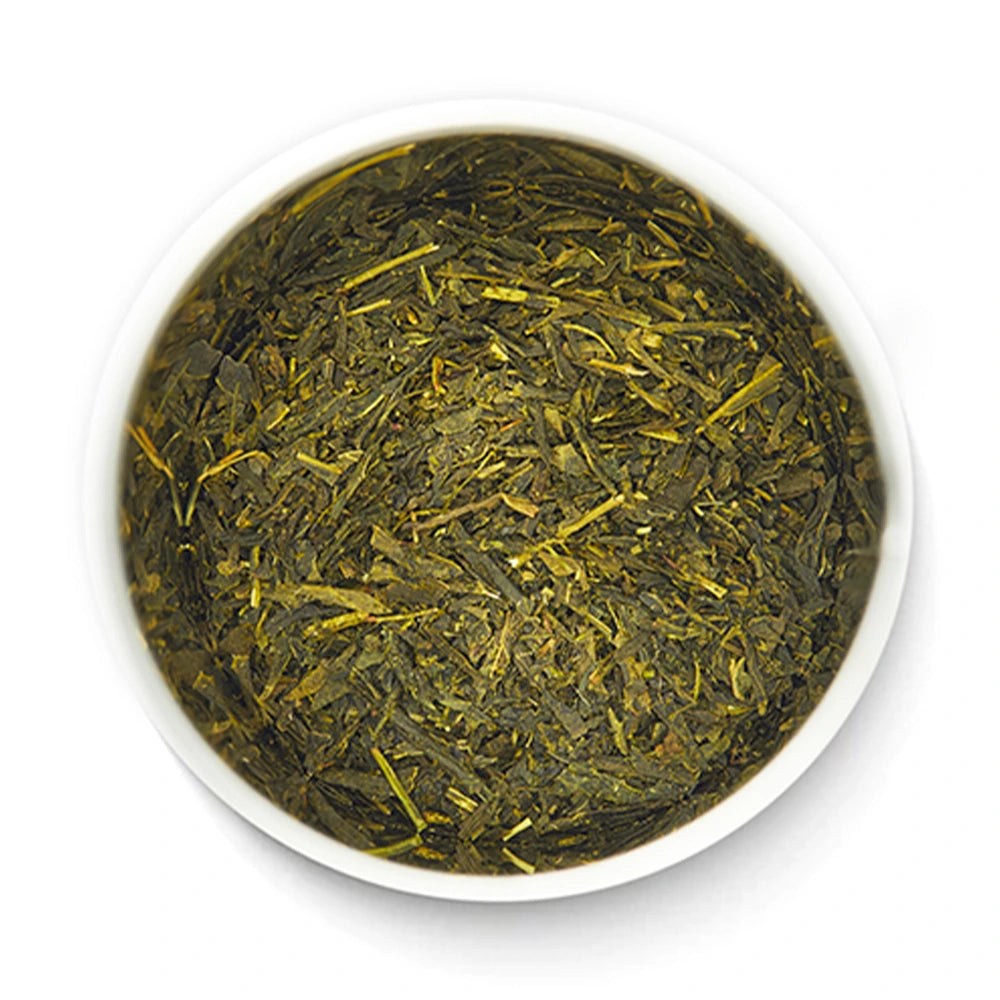
The afternoon calls for teas with moderate caffeine that provide a gentle lift without interfering with evening wind-down. Standard sencha brewed at the recommended 70–80°C delivers approximately 20–30 mg of caffeine per serving—enough for a noticeable energy boost without overstimulation. Its fresh, grassy flavor also serves as a natural palate cleanser after lunch.
Genmaicha (green tea blended with roasted brown rice) is a particularly good afternoon choice. The rice dilutes the tea leaf content, naturally reducing caffeine while adding a toasty, nutty flavor that feels satisfying and warming. Kukicha (twig tea), made from the stems and twigs of the tea plant, is another low-caffeine option with a mild, slightly sweet character from Senbird Tea.
Best choices: Hojicha, Kuromamecha, Sobacha, or Mugicha
Hojicha is the ideal evening green tea. Roasting the tea leaves at high temperatures significantly reduces caffeine content while creating a warm, toasty flavor that feels comforting and soothing. Hojicha typically contains only 7–15 mg of caffeine per serving—low enough that most people can drink it after dinner without disrupting sleep.
For a completely caffeine-free evening, switch from green tea to one of Senbird Tea’s Japanese herbal teas. Kuromamecha (black soybean tea) has a rich, nutty sweetness and zero caffeine. Sobacha (buckwheat tea) offers a light, toasty character. Mugicha (barley tea) provides a malty, refreshing option. All three are caffeine-free and can be enjoyed right before bed without concern.
| Time of Day | Recommended Tea | Caffeine (per serving) | Key Benefit |
|---|---|---|---|
| Morning (6–10 AM) | Matcha | 60–70 mg | Sustained focus, antioxidants |
| Morning | Gyokuro | 35–45 mg | Rich umami, calm energy |
| Afternoon (12–4 PM) | Sencha | 20–30 mg | Gentle boost, fresh flavor |
| Afternoon | Genmaicha | 15–20 mg | Toasty, satisfying, low caffeine |
| Evening (6–10 PM) | Hojicha | 7–15 mg | Warm, relaxing, very low caffeine |
| Evening / Bedtime | Kuromamecha | 0 mg | Caffeine-free, antioxidant-rich |
| Evening / Bedtime | Sobacha | 0 mg | Caffeine-free, light and toasty |
It depends on the type. Hojicha’s very low caffeine (7–15 mg) is tolerable for most people in the evening. For zero caffeine, switch to kuromamecha, sobacha, or mugicha from Senbird Tea. Avoid matcha, gyokuro, or sencha within 4–6 hours of bedtime, as their caffeine content may disrupt sleep quality.
Matcha has the highest caffeine per serving (60–70 mg) because you consume the entire ground leaf. Among steeped teas, gyokuro is highest (35–45 mg per 150 ml) due to its shade-growing process, which increases caffeine production in the plant. Sencha falls in the middle, and hojicha has the least caffeine among true green teas.
Yes. Rotating teas provides a broader spectrum of beneficial compounds. Morning matcha delivers high catechins and EGCG, afternoon sencha adds different polyphenol profiles, and evening kuromamecha from Senbird Tea contributes anthocyanins and isoflavones not found in Camellia sinensis teas. This diversified approach maximizes the overall health benefits of your daily tea habit.
L-theanine is an amino acid unique to tea that promotes alpha brain wave activity—the mental state associated with calm, focused attention. When consumed alongside caffeine (as naturally occurs in green tea), L-theanine smooths out the energy curve: you get sustained alertness without the jittery peaks and crashes associated with coffee. Higher L-theanine teas like gyokuro and matcha produce the calmest energy.
Children can safely drink low-caffeine options like hojicha or caffeine-free herbal teas like mugicha and kuromamecha. In Japan, mugicha is the most common beverage served to children alongside water. For caffeinated green teas, limit portions and avoid serving them late in the day. Consult your pediatrician for specific guidance.
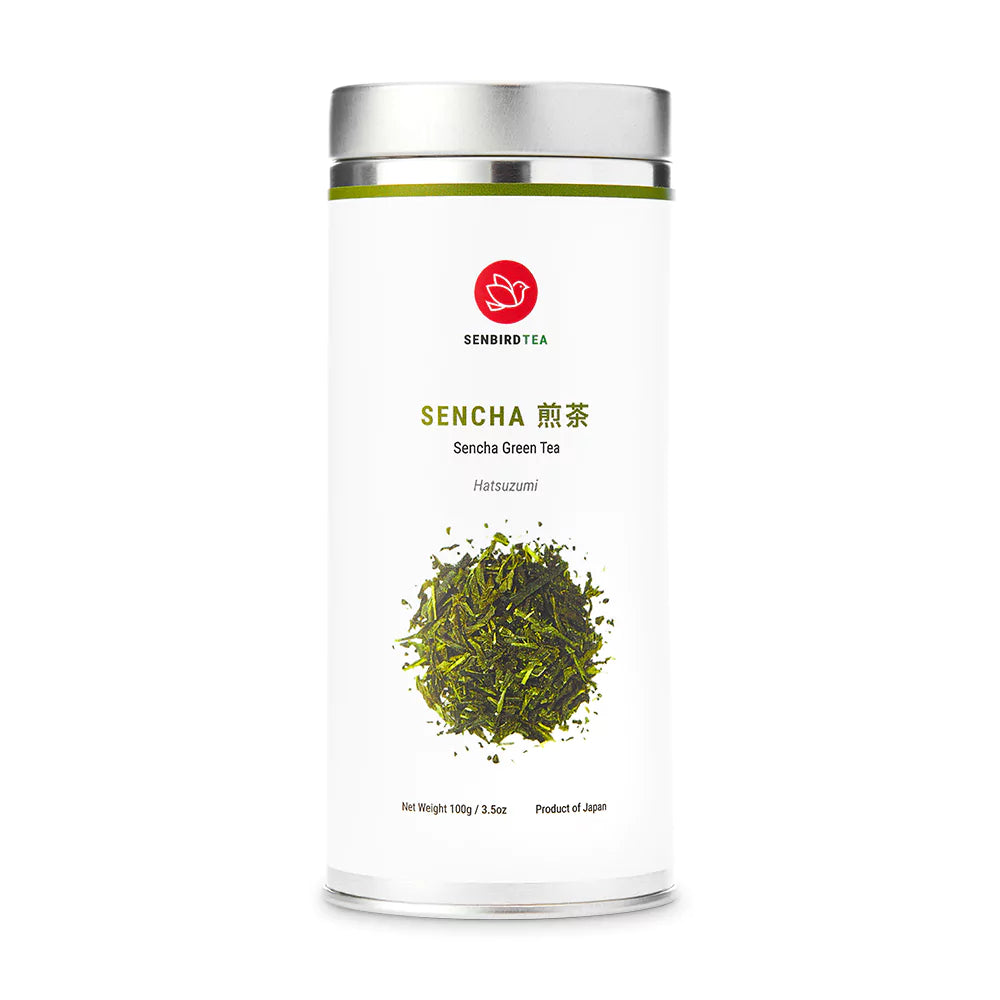
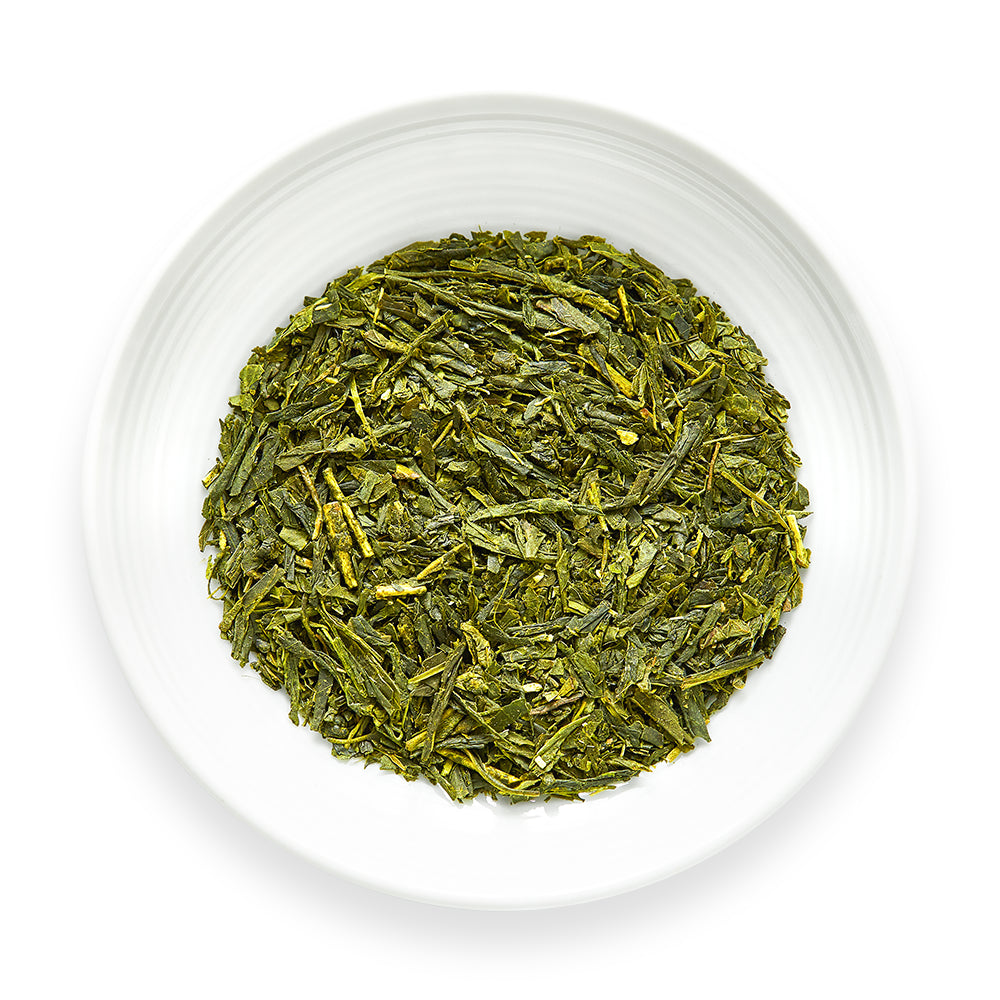
煎茶はつづみ
A deep-steamed first harvest green tea with a fresh, full-bodied flavor that offers a vibrant daily ritual supporting focus and well-being.