

Green tea is one of the most versatile culinary ingredients in Japanese cuisine, adding earthy depth, natural color, and health-boosting antioxidants to both savory meals and sweet desserts. This collection of 12 green tea recipes from Senbird Tea showcases how matcha, sencha, hojicha, and genmaicha transform everyday cooking into something extraordinary. From matcha pancakes for breakfast to hojicha crème brûlée for dessert, these recipes demonstrate that Japanese tea belongs far beyond the teacup.

Combine 2 tablespoons of Senbird Tea culinary-grade matcha into fresh pasta dough for vibrant green noodles with a subtle earthy flavor. Mix 2 cups flour, 3 eggs, and the matcha powder, knead for 10 minutes, rest for 30 minutes, then roll and cut. Toss with garlic, olive oil, and grilled shrimp for a striking dinner that takes under 45 minutes. The matcha adds color that holds through cooking and a gentle bitterness that pairs beautifully with seafood.
Ochazuke is a traditional Japanese comfort food made by pouring hot brewed sencha over a bowl of steamed rice topped with salmon flakes, nori seaweed, wasabi, and sesame seeds. Brew a strong cup of Senbird Tea sencha, place your rice and toppings in a bowl, and pour the hot tea directly over everything. The tea softens the rice and creates a savory, warming broth that takes just 5 minutes to prepare. This is a quintessential late-night Japanese meal.
Whisk together 1 tablespoon of matcha powder, 3 tablespoons rice vinegar, 2 tablespoons sesame oil, 1 tablespoon honey, and a pinch of salt for a vibrant green dressing that transforms any salad. The antioxidant-rich matcha adds nutritional value while the earthy flavor complements mixed greens, avocado, and grilled chicken. This dressing keeps for up to one week refrigerated in a sealed jar.
Use loose-leaf genmaicha from Senbird Tea as a smoking agent for salmon fillets. Line a wok or deep pan with foil, spread 3 tablespoons of genmaicha leaves mixed with 2 tablespoons of brown sugar, place a rack above the mixture, and hot-smoke salmon fillets for 15-20 minutes over medium heat. The roasted rice in genmaicha creates a uniquely nutty smoke flavor that elevates the salmon beyond traditional wood smoking.
Place white fish fillets on a bed of Senbird Tea sencha leaves in a bamboo steamer. The steam from the wet leaves infuses the fish with a delicate green tea aroma as it cooks, creating a light, healthy dish in just 12-15 minutes. Season with soy sauce, ginger, and scallions for an authentic Japanese preparation that preserves the natural sweetness of the fish while adding subtle tea complexity.
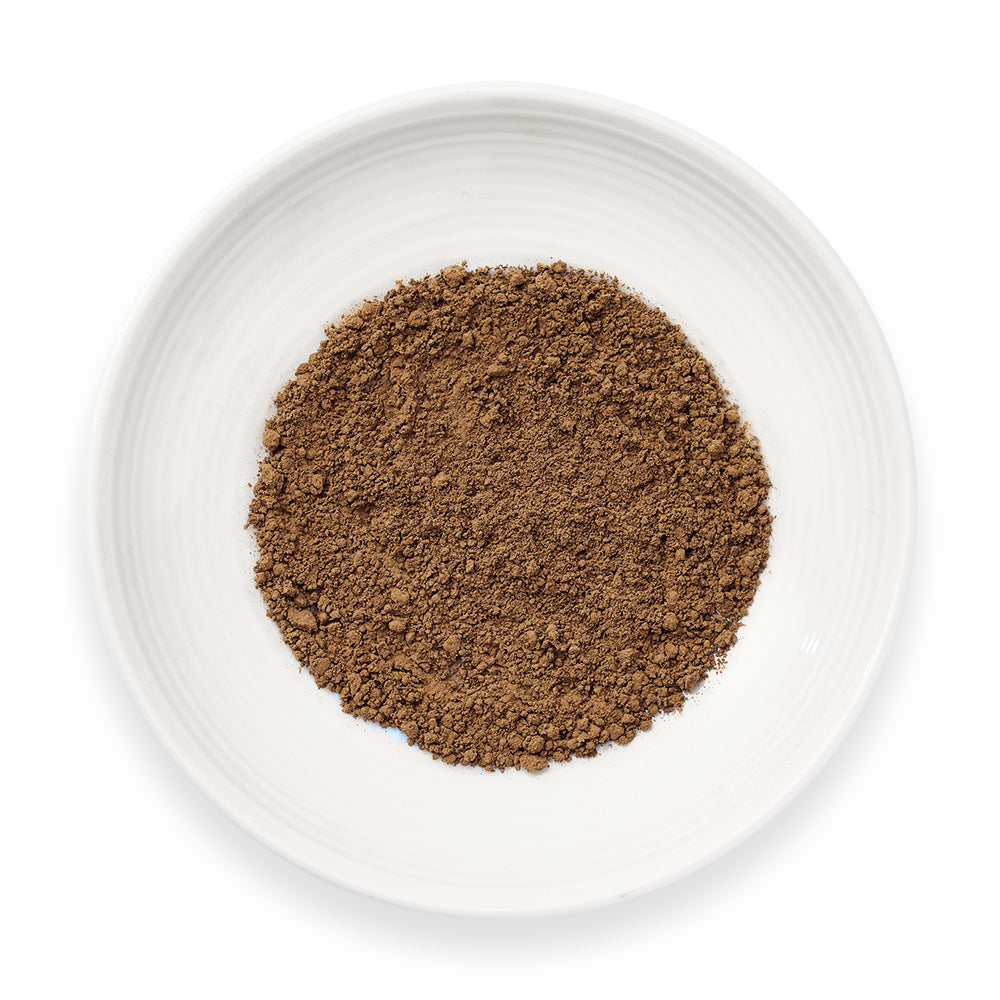
Grind Senbird Tea hojicha leaves into a fine powder and toss with root vegetables — sweet potatoes, carrots, parsnips — along with olive oil and sea salt before roasting at 400°F for 35 minutes. The roasted tea powder caramelizes in the oven, creating a smoky, nutty crust on the vegetables that pairs exceptionally well with grilled meats or can stand alone as a vegetarian main course.
Fold 2 tablespoons of Senbird Tea ceremonial-grade matcha into vanilla cupcake batter for vibrant green cupcakes, then top with matcha-infused cream cheese frosting. The double matcha approach creates a cohesive flavor from cake to topping. Yields 12 cupcakes in 45 minutes. See our full matcha cupcakes recipe for detailed instructions.

Steep Senbird Tea hojicha leaves in warm heavy cream for 30 minutes, strain, then use the infused cream to make classic crème brûlée. The roasted tea adds a warm, caramel-like depth that complements the custard perfectly. Top with a thin layer of sugar and torch until golden for an impressive dinner party dessert that introduces guests to hojicha in an unexpected context.
Blend 2 tablespoons matcha powder with 1 cup coconut milk, 2 tablespoons honey, and a splash of vanilla extract. Pour into popsicle molds and freeze for at least 4 hours. These creamy, naturally green popsicles are a healthy alternative to store-bought frozen treats. The coconut milk provides richness while the matcha contributes antioxidants and a sophisticated flavor that adults and children both enjoy.
Add 1 tablespoon of Senbird Tea matcha to a classic shortbread recipe (butter, sugar, flour) for delicate green cookies with a sandy, melt-in-your-mouth texture. Brush with a milk glaze after baking for a professional finish. These cookies keep well in an airtight container for up to one week and make excellent gifts alongside a package of Senbird Tea matcha.
Wrap scoops of matcha ice cream in soft mochi (glutinous rice dough) for the iconic Japanese dessert. To make the mochi wrapper, microwave a mixture of glutinous rice flour, sugar, water, and a pinch of matcha in 30-second intervals, stirring between each, until the dough is smooth and stretchy. Dust with cornstarch, flatten into circles, and wrap around frozen ice cream balls. The contrast between chewy mochi and creamy ice cream makes this an unforgettable dessert.
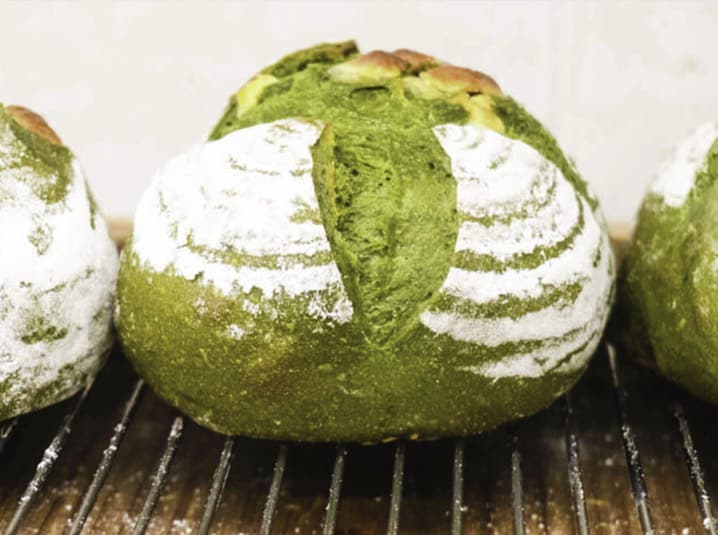
Infuse your bread dough with Senbird Tea hojicha powder and honey for a fragrant, golden loaf with a subtle roasted tea flavor. The hojicha adds a warm, toasty note that makes the entire kitchen smell incredible as it bakes. This bread is perfect for morning toast, tea sandwiches, or as a base for French toast with maple syrup.
| Tea Type | Best For | Flavor Contribution | Grade Recommended |
|---|---|---|---|
| Matcha | Baking, smoothies, dressings, desserts | Earthy, umami, vivid green color | Culinary grade for baking; ceremonial for no-bake |
| Sencha | Rice dishes, steaming, broths | Vegetal, refreshing, clean | Any grade |
| Hojicha | Custards, bread, roasted vegetables | Roasted, caramel, nutty | Any grade (ground to powder) |
| Genmaicha | Smoking, rubs, grain bowls | Nutty, toasty, complex | Any grade |
| Gyokuro | Delicate cold dishes, sauces | Deep umami, sweet, concentrated | Premium grade for best results |
Yes, but the grade affects the result. Culinary-grade matcha from Senbird Tea is specifically designed for cooking and baking — it has a stronger, more robust flavor that holds up against sugar, butter, and other ingredients in baked goods. Ceremonial-grade matcha is smoother and more delicate, making it ideal for no-bake applications like frostings, smoothies, and ice cream where the matcha flavor is not competing with heat-activated ingredients. Using ceremonial-grade in baking works but is less cost-effective since the subtle flavor differences are reduced by the oven.

Some heat-sensitive compounds like vitamin C degrade during cooking, but the majority of green tea's beneficial compounds — including catechins, L-theanine, and chlorophyll — remain largely intact through moderate cooking temperatures. Baking at 350°F preserves most antioxidant activity, while higher temperatures or prolonged cooking times can reduce efficacy. Cold preparations like smoothies, dressings, and popsicles retain the highest percentage of green tea's original nutritional profile. Overall, cooking with Senbird Tea matcha still delivers meaningful health benefits alongside great flavor.
A general guideline is 1-2 tablespoons of matcha per recipe for baked goods and 1 teaspoon for beverages and dressings. Start with the lower amount and adjust to your taste — matcha's flavor intensifies in baked goods as moisture evaporates during baking. For hojicha and sencha cooking applications, use slightly more since their flavors are milder than matcha. Always sift matcha before adding it to any recipe to prevent clumps, as matcha powder tends to aggregate due to its extremely fine particle size and static charge.
Matcha is a powder that dissolves or disperses into the recipe, distributing flavor and color evenly throughout. Loose-leaf teas like sencha, hojicha, and genmaicha from Senbird Tea are used differently — typically by infusing them into a liquid (cream, broth, water) and then straining out the leaves, or by grinding them into a powder before adding to dry ingredients. The infusion method is gentler and produces more subtle flavor, while grinding produces a bolder taste similar to matcha. Choose the method based on how prominent you want the tea flavor in the finished dish.
In many cases, yes. Matcha can replace espresso powder in tiramisu, brownies, and chocolate desserts for a completely different but equally sophisticated flavor profile. The general substitution ratio is 1 tablespoon of matcha for every 1-2 teaspoons of espresso powder, adjusted to taste. Hojicha powder works as a direct substitute for instant coffee in recipes where a warm, roasted flavor is desired. Keep in mind that the flavor profiles are fundamentally different — green tea adds umami and earthiness where coffee adds bitterness and roast — so the final product will taste quite different, not simply like a green version of the original.
ほうじ茶焔
A roasted green tea powder with a rich, toasty flavor and low caffeine. Perfect for calm mornings, evenings, or gentle focus.