Steeping loose leaf tea is a gentle practice that can add a sense of calm and intention to your day. Because the leaves move freely in water rather than being confined to a bag, they are able to unfurl and release their natural aromas and flavors. Whole or larger-cut leaves also retain more of their natural oils, creating a cup that feels fuller and more expressive when brewing loose leaf tea.
For those just beginning their tea journey, loose leaf tea can feel unfamiliar. You may be wondering where to start, what tools you need, or how to steep loose leaf tea correctly. This guide to loose leaf tea offers simple, thoughtful steps to help you brew with confidence. Drawing on traditions and rituals from Japan and beyond, we’ll explore how to choose your tea, measure your leaves, and prepare water at the right temperature—turning each cup into a small, grounding ritual.
Loose leaf tea invites a slower, more intentional brewing experience.
Small adjustments in water temperature and steeping time shape flavor.
Brewing tea can be a simple daily ritual of care and presence.

Loose leaf tea refers to whole or partially broken tea leaves that are not enclosed in a tea bag. During steeping, the leaves have space to unfurl fully, releasing their natural aroma and flavor.
Loose leaf tea is often made from larger pieces of leaf, which retain more of their natural oils and aromatic compounds. This can result in a cup with greater depth of flavor and fragrance, as well as a more even infusion.
Many people enjoy loose leaf tea because it feels more intentional. Watching the leaves slowly open, noticing the shifting color of the water, and inhaling the steam before your first sip can turn a simple cup of tea into a quiet pause in your day.
Brewing loose leaf tea also offers flexibility. Over time, you naturally learn how much you enjoy, how long you like to steep, and what flavors feel most comforting to you. This creates a more personal relationship with your tea, shaped by your own taste and routine.

You don’t need much to begin brewing loose leaf tea.
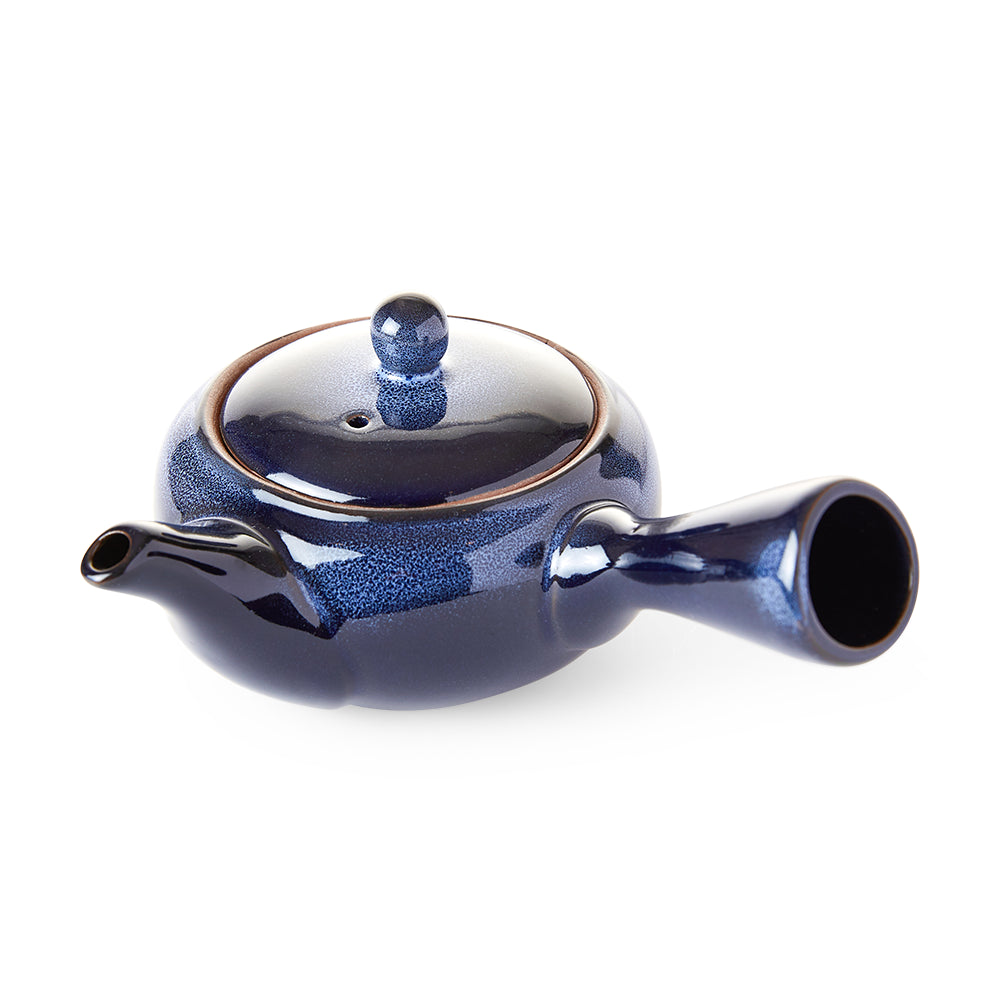
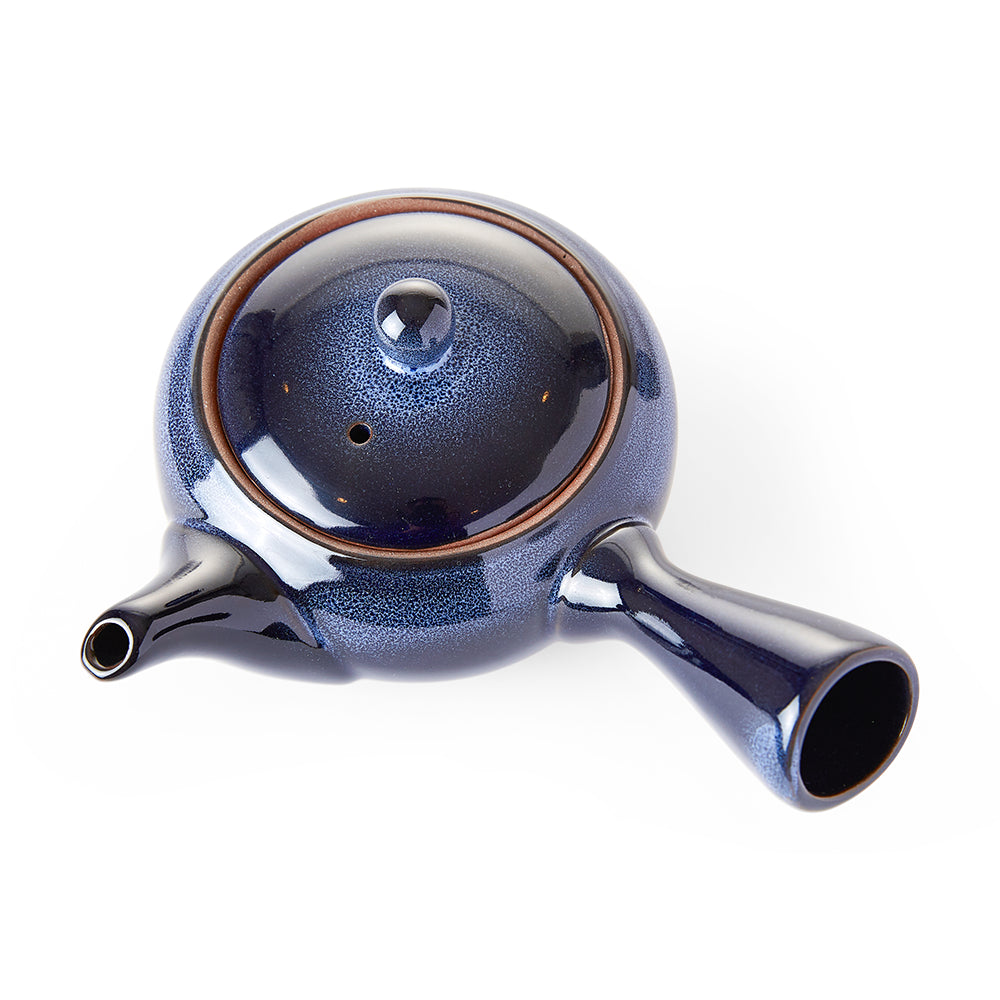
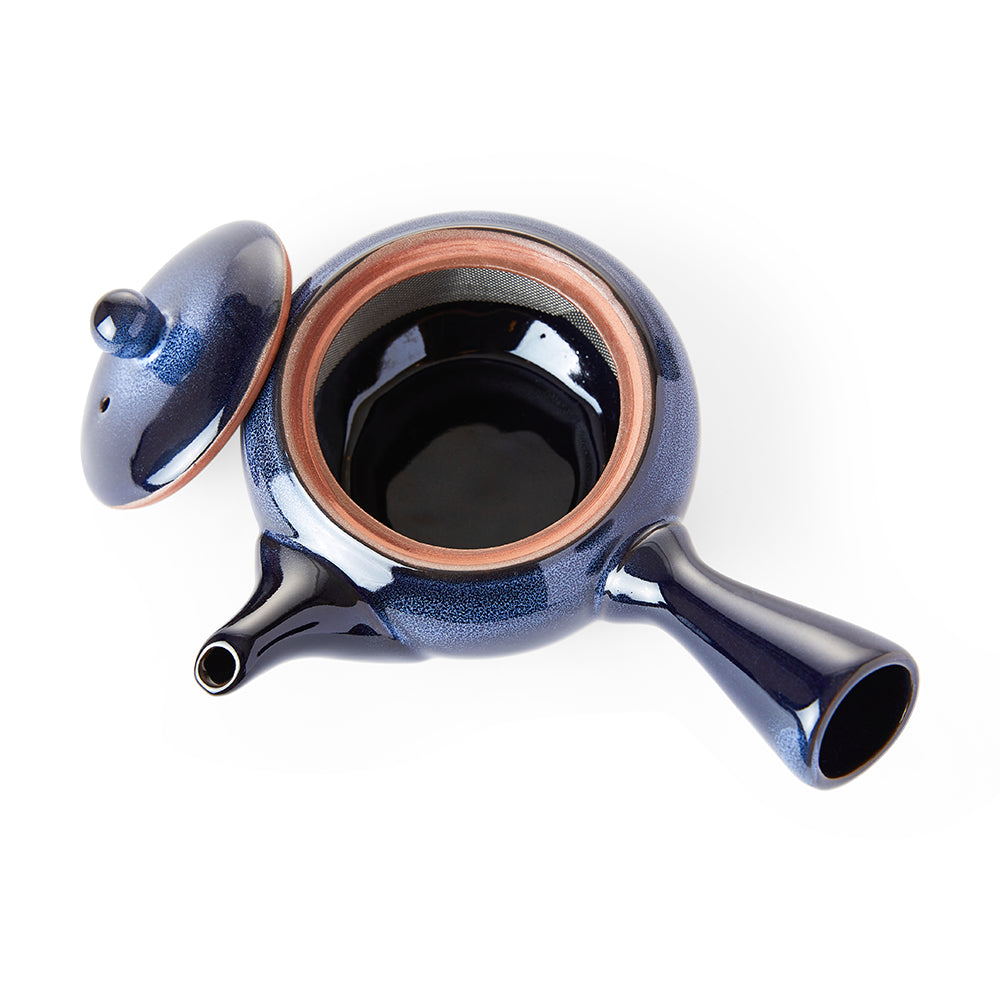
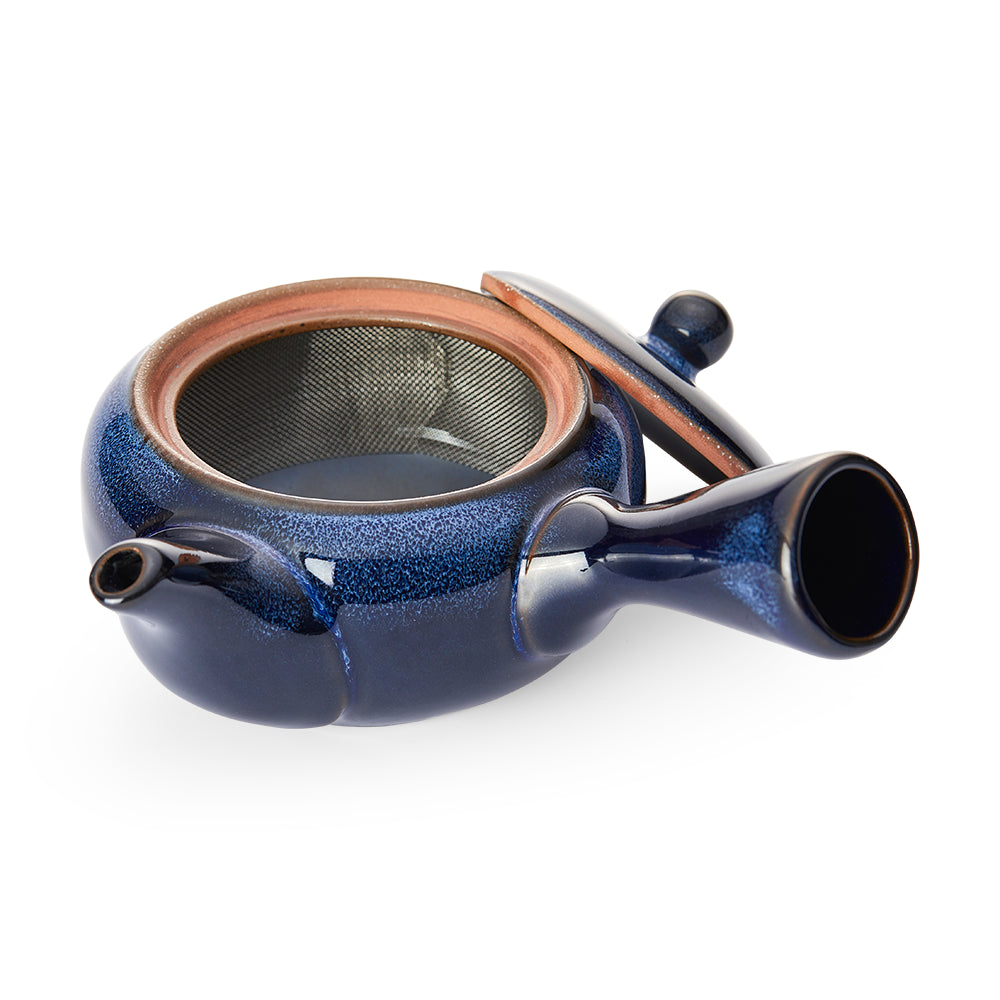
A teapot with a built-in strainer or a basket-style infuser gives the leaves room to expand. A kettle is helpful, especially one that allows you to control temperature for more delicate teas. A measuring spoon or small scale helps with consistency, and a simple timer can prevent oversteeping.
When choosing tea, look for whole or larger leaf pieces when possible. These tend to infuse more evenly and offer a fuller, more layered cup.
To start, we recommend trying these three main categories of tea:
Green tea, such as sencha and gyokuro, which is light, fresh, and often gently vegetal
Herbal TeaHerbal tea, such as sobacha and genmaicha, which is naturally caffeine-free and comforting
Whether you are brewing loose leaf green tea at home or preparing tea for a café or restaurant, starting with high-quality whole leaves helps ensure a balanced, expressive cup.

For the best results, begin by following the brewing instructions on your tea’s package. This is especially important when working with different leaf styles, whether you are preparing tea at home or brewing tea in bulk for cafés and food service.
Heat your water based on the type of tea:
Green tea: warm, not boiling
Black tea: hot to fully boiling
Herbal tea: fully boiling
If you’d like, you can warm your teapot or infuser first by swirling in hot water and discarding it. This helps keep the temperature steady while brewing.
Add your tea leaves, pour in the water, and steep according to the instructions on the package. As a general guide for loose leaf tea:
Green tea: shorter steep times
Black tea: medium steep times
Herbal tea: longer steep times
Once steeped, remove the leaves and enjoy! If serving more than one cup, pour a little into each cup at a time to keep the flavor balanced.
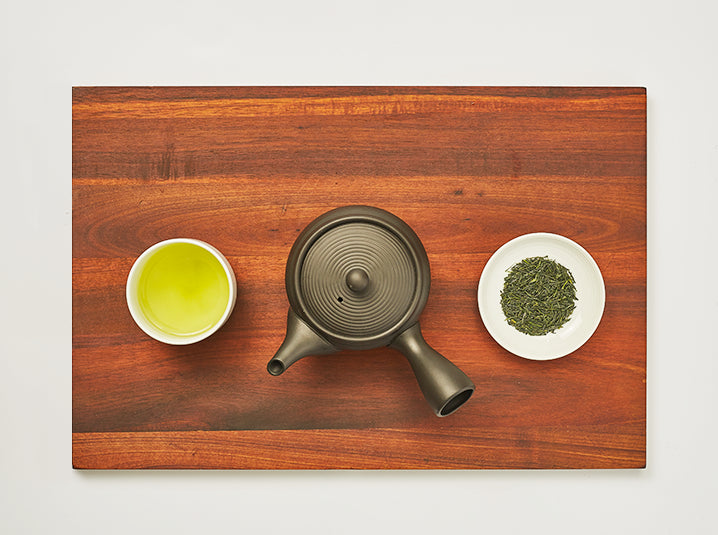
tea scoop" src="https://cdn.shopify.com/s/files/1/0805/7857/6667/files/sencha-japanese-tea-in-kyusu-teapot_718X535_c1d5ac61-f08e-4f72-ba4b-d6d5083a86eb.webp?v=1703796320">
Many loose leaf teas can be steeped more than once. Each infusion reveals slightly different flavors, often becoming softer and more subtle over time. This allows you to enjoy several cups from the same leaves while reducing waste.
If your tea tastes bitter, try using cooler water or steeping for less time. If it tastes weak, try steeping a little longer or using slightly more leaf next time. Small changes can make a noticeable difference.
You may also enjoy pausing to notice the aroma and color of your tea before drinking. These small moments help transform brewing into a ritual rather than a task.
Brewing loose leaf tea is also a thoughtful choice for larger settings. Many cafés and restaurants choose wholesale green tea or bulk herbal tea to reduce packaging waste while offering a consistent, high-quality cup to their guests.
Brewing loose leaf tea does not require special knowledge or elaborate tools. It simply asks for a few minutes of attention.
With water, fresh leaves, and a little patience, you create a cup that reflects care and intention. Over time, these small steps become familiar, and what once felt new begins to feel comforting — a quiet moment you can return to whenever you need it.
Find your perfect Japanese tea →
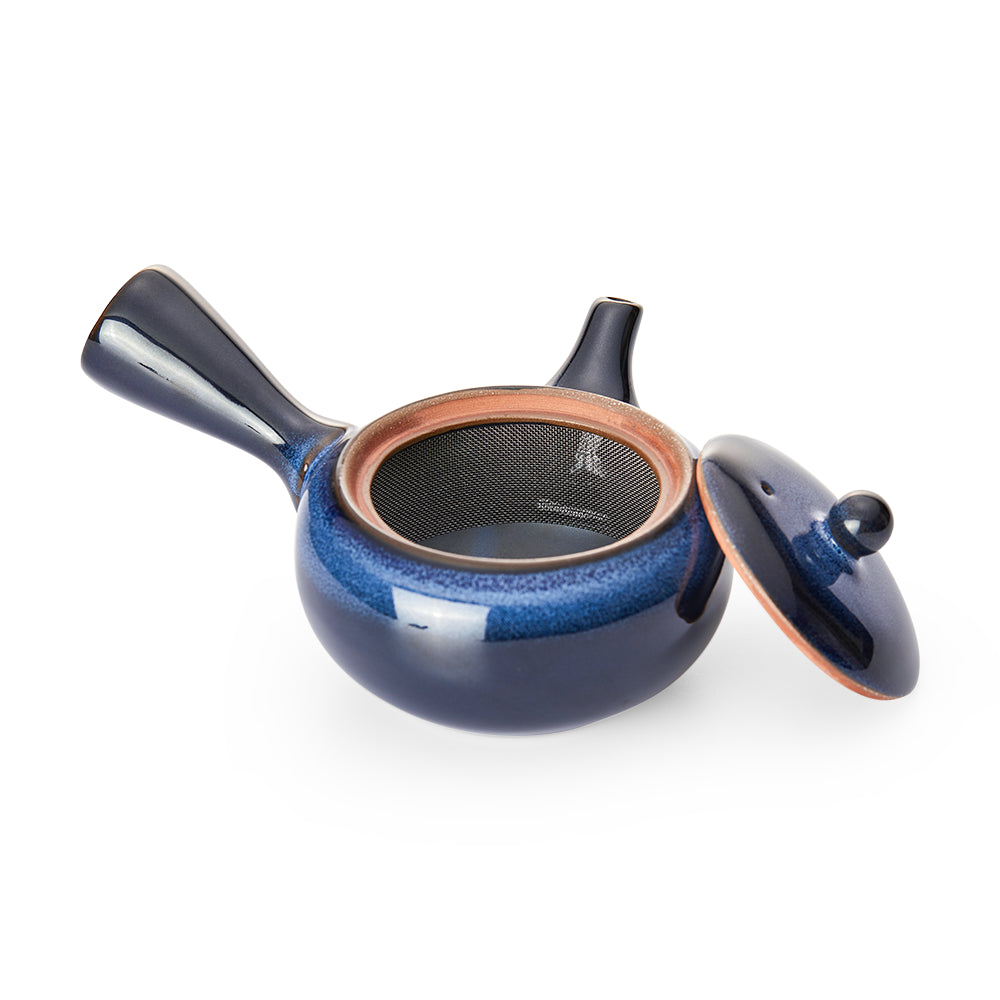
急須夜空
Keep your tea warm with this handcrafted ceramic teapot, featuring a glossy finish, built-in strainer, and glazed interior for smooth, versatile brewing.