

Mindful tea drinking transforms an ordinary daily habit into a powerful meditation practice that reduces stress, sharpens focus, and deepens your connection to the present moment. Rooted in centuries of Japanese tea ceremony tradition, mindful tea drinking does not require special training or elaborate equipment — just intentional attention to the simple act of preparing and enjoying a cup of tea. Senbird Tea believes that every cup offers an opportunity for mindfulness, and these six practical tips will help you build a tea ritual that brings calm and clarity to your day.

Mindful tea drinking begins before the kettle boils, with the deliberate act of selecting which tea to drink. Rather than reaching for the nearest teabag out of habit, pause and consider what your body and mind need in this moment. Do you need the calm focus of gyokuro's L-theanine richness? The energizing brightness of a first-flush sencha? The comforting warmth of a roasted hojicha for evening relaxation? Matching your tea choice to your current emotional and physical state is the first act of mindfulness in your tea practice.
Senbird Tea offers a range of Japanese teas that support different mindful intentions throughout the day. Matcha provides focused alertness for morning meditation sessions, while genmaicha's toasty warmth creates a grounding midday pause. Keep several varieties accessible so that your tea selection becomes a meaningful daily decision rather than an automatic default. This simple choice engages your awareness and sets the tone for the mindful experience that follows.

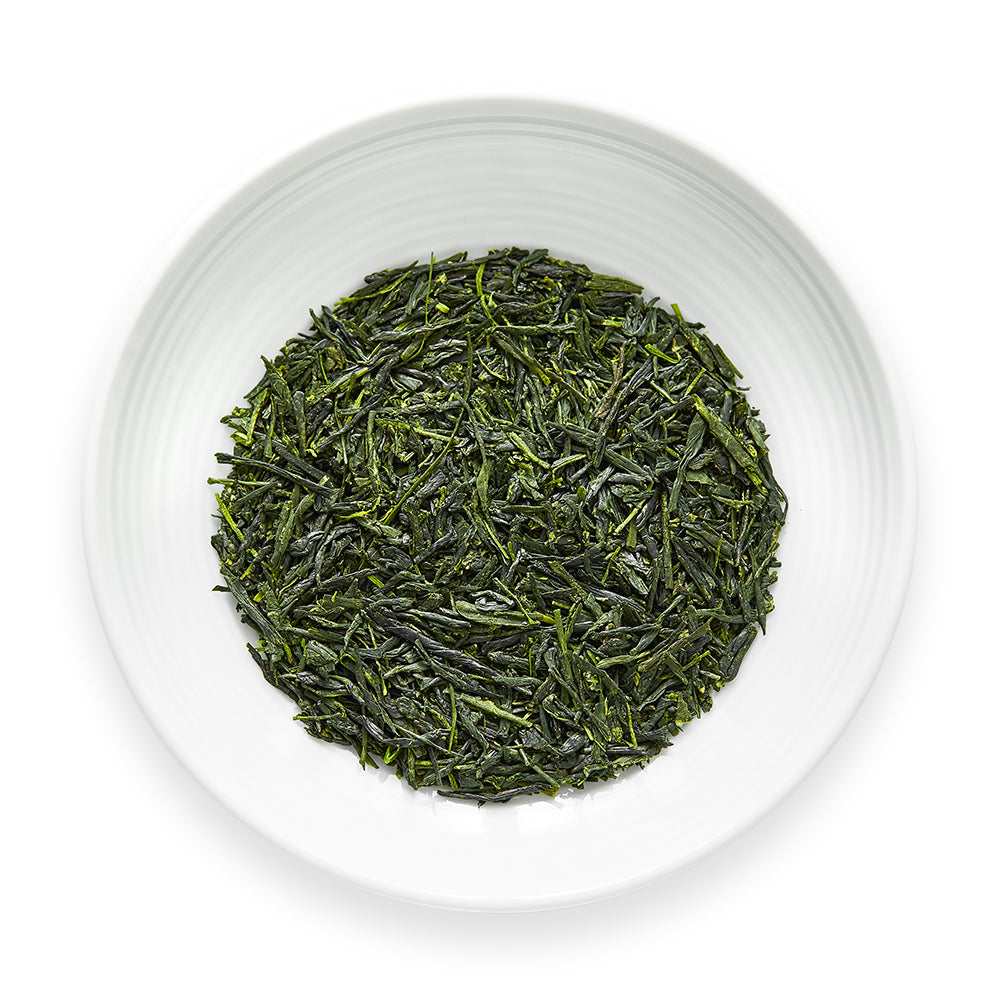
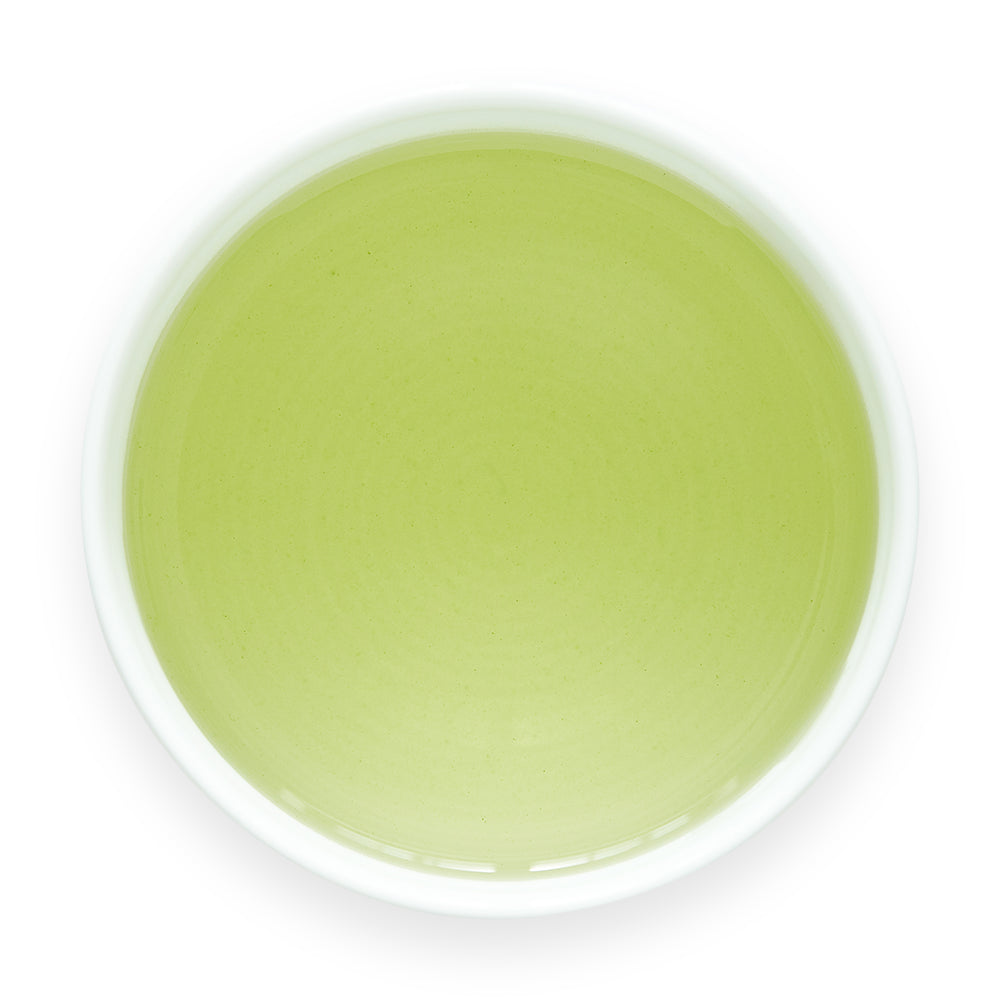
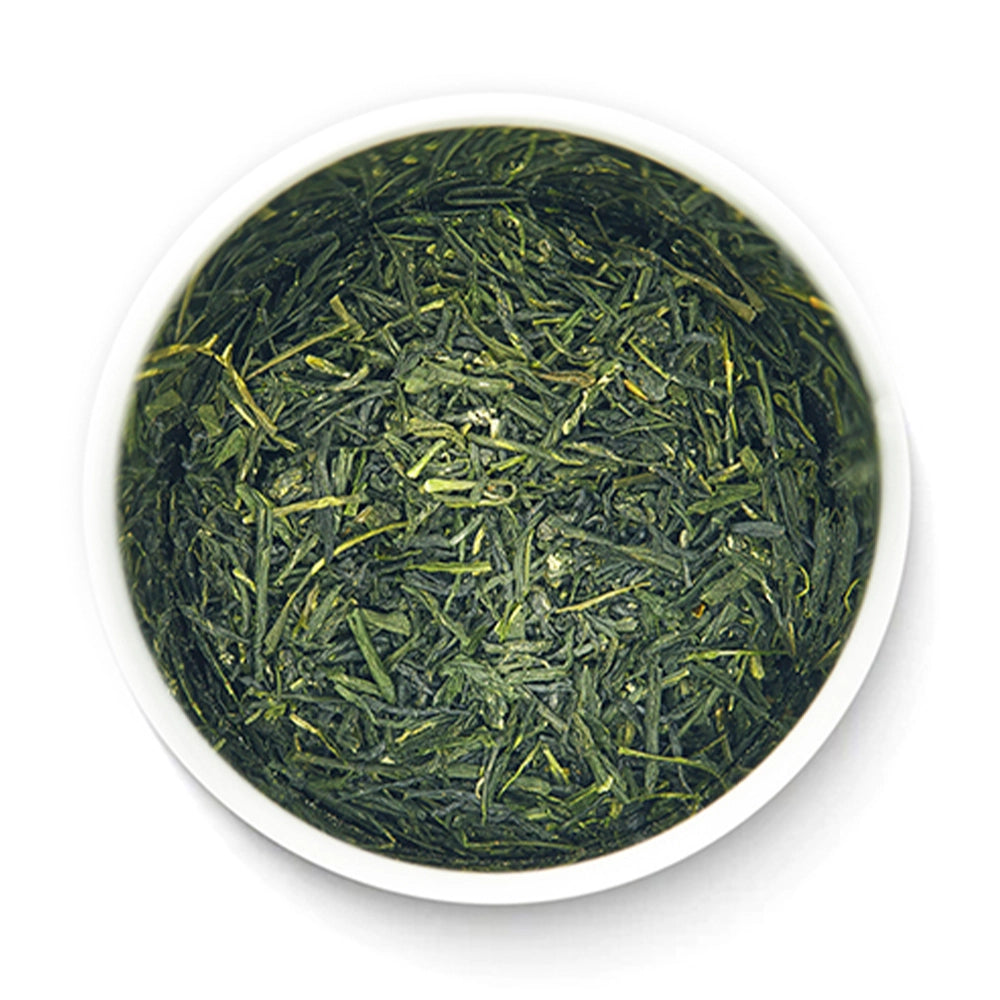
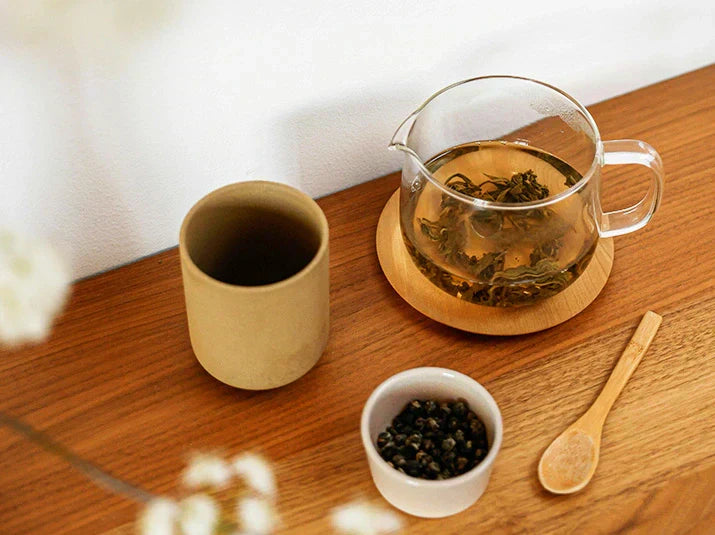
The multisensory nature of tea makes it an ideal vehicle for mindfulness practice. Before you take your first sip, notice the color of the dry leaves, their fragrance, and the sound they make as you measure them. Watch the water pour over the leaves and observe the color transformation as the tea steeps. Cup the warm vessel in both hands and feel the heat transfer through the ceramic. Bring the cup close and inhale the steam before drinking.
Each of these sensory checkpoints anchors your attention to the present moment, pulling focus away from mental chatter about past regrets or future worries. Japanese tea culture has long recognized the meditative power of sensory engagement, which is why traditional tea ceremonies emphasize the aesthetics of every element, from the texture of the tea bowl to the sound of water heating. You do not need a formal ceremony to practice this with Senbird Tea. Simply slow down and notice what each of your five senses experiences during your tea session.

Intentional breathing is the bridge between tea drinking and true meditation. Before your first sip, take three slow, deep breaths while holding your cup. Inhale through your nose for a count of four, hold briefly, and exhale through your mouth for a count of six. This simple breathing pattern activates your parasympathetic nervous system, shifting your body from stress mode into rest-and-digest mode. The aromatic steam from your Senbird Tea cup adds an aromatherapeutic dimension to each inhale, enhancing the calming effect.
Between sips, return to conscious breathing rather than immediately reaching for your phone or resuming work. The Japanese concept of "ma," or meaningful pause, teaches that the spaces between actions hold as much value as the actions themselves. Let each interval between sips become a mini-meditation, a brief return to breath awareness that accumulates into a deeply calming tea-drinking experience.

Mindful drinking means letting each sip linger rather than gulping tea while multitasking. Take a small amount of tea into your mouth and hold it briefly, noticing the initial flavor, the way it changes as it moves across your tongue, and the aftertaste that remains after you swallow. Quality Japanese teas from Senbird Tea are specifically designed to reward this attention, with complex flavor profiles that reveal different notes at different points in each sip — sweetness at first contact, umami in the mid-palate, and pleasant astringency in the finish.
Japanese tea masters describe this layered tasting experience as essential to appreciating tea at its fullest. When you rush through a cup, you miss these subtle transitions. Try taking at least 10 to 15 minutes to finish a single cup, which is roughly three to four minutes per significant sip. This pace naturally slows your thoughts and creates a meditative rhythm that carries calming effects well beyond the tea session itself.

The most powerful mindfulness benefit of tea drinking comes when you remove digital distractions during your tea time. Set your phone on silent and place it face-down or in another room. Close your laptop. Turn off the television. These first few minutes of disconnection may feel uncomfortable if you are accustomed to constant stimulation, but this discomfort itself is a mindfulness teacher, revealing how dependent your attention has become on external inputs.
Create a designated tea space, even if it is simply a favorite chair or a corner of your kitchen counter, where you drink your Senbird Tea without screens. Over time, your brain will associate this space with calm and presence, making it easier to drop into a mindful state each time you sit down with your cup. This environmental cue is a technique used in behavioral psychology to build sustainable habits, and it works remarkably well when paired with the ritual structure of tea preparation.

Gratitude is the final and perhaps most transformative element of mindful tea drinking. Before or after your tea session, take a moment to appreciate the chain of effort that brought this tea to your cup — the Japanese farmer who cultivated and harvested the leaves, the artisan who processed them, and the Senbird Tea team that sourced and delivered them. This recognition connects you to something larger than yourself and counteracts the self-centered thought patterns that often drive stress and anxiety.
In Japanese tea ceremony, the phrase "ichi-go ichi-e" means "one time, one meeting," expressing the idea that each tea gathering is a unique, unrepeatable event. Applying this philosophy to your daily tea practice means recognizing that this particular cup, in this particular moment, will never happen again. This awareness naturally generates gratitude and presence, turning a simple beverage into a profound daily practice for emotional wellbeing.
| Mindful Tea Tip | Key Benefit | Time Needed | Best Tea Pairing |
|---|---|---|---|
| Choose intentionally | Awareness activation | 1 minute | Any Senbird Tea variety |
| Engage senses | Present-moment anchoring | 3-5 minutes | Gyokuro or sencha |
| Breathe with intention | Nervous system calming | 2 minutes | Hojicha or genmaicha |
| Savor slowly | Deepened appreciation | 10-15 minutes | Premium sencha or gyokuro |
| Disconnect digitally | Mental clarity | 15+ minutes | Matcha ceremony style |
| Express gratitude | Emotional wellbeing | 1-2 minutes | Any seasonal tea |
A meaningful mindful tea session can last anywhere from 5 to 30 minutes depending on your schedule and intention. Even a brief 5-minute practice of preparing and sipping tea with full attention provides measurable stress-reduction benefits. For deeper meditation, a 15 to 30 minute session allows you to move through all six tips and fully engage with the contemplative aspects of the practice. Senbird Tea recommends starting with short sessions and gradually extending them as mindful tea drinking becomes a natural part of your routine.
Any tea can support mindfulness practice, but Japanese green teas are particularly well-suited due to their L-theanine content, which promotes alpha brain wave activity associated with calm focus. Gyokuro and shade-grown sencha from Senbird Tea contain the highest L-theanine levels, making them excellent choices for meditative tea sessions. Matcha prepared in the traditional whisking method adds a ritualistic physical component that enhances mindfulness. For evening practice, hojicha offers a calming roasted warmth with minimal caffeine that supports relaxation without disrupting sleep.
No special equipment is required for mindful tea drinking. While traditional Japanese tea ceremony uses specific vessels and tools, the core practice of mindfulness depends on your attention, not your accessories. A simple cup, hot water, and quality loose-leaf tea from Senbird Tea are all you need. That said, using a dedicated tea cup or pot that you reserve specifically for your mindful practice can create a helpful psychological cue that signals to your brain that it is time to shift into a calmer, more present state.
Research supports several mechanisms through which mindful tea drinking may help reduce anxiety. The L-theanine in green tea has been shown to increase alpha brain wave production and promote relaxation without sedation. The practice of focused breathing during tea preparation activates the parasympathetic nervous system, directly counteracting the fight-or-flight stress response. Additionally, the ritual structure of tea preparation provides a predictable, comforting routine that can anchor anxious minds. Senbird Tea customers frequently report that their daily tea ritual has become an essential part of their stress management toolkit.
Japanese tea ceremony, or chado, is a highly codified art form with specific procedures, equipment, and etiquette developed over centuries. Mindful tea drinking borrows the philosophical principles of tea ceremony, including presence, gratitude, respect, and aesthetic awareness, but applies them in a flexible, accessible format that fits into everyday life. You do not need to study chado or learn specific movements to practice mindful tea drinking. Senbird Tea encourages everyone to find their own personal tea ritual that incorporates the contemplative spirit of Japanese tea culture in a way that feels natural and sustainable for them.
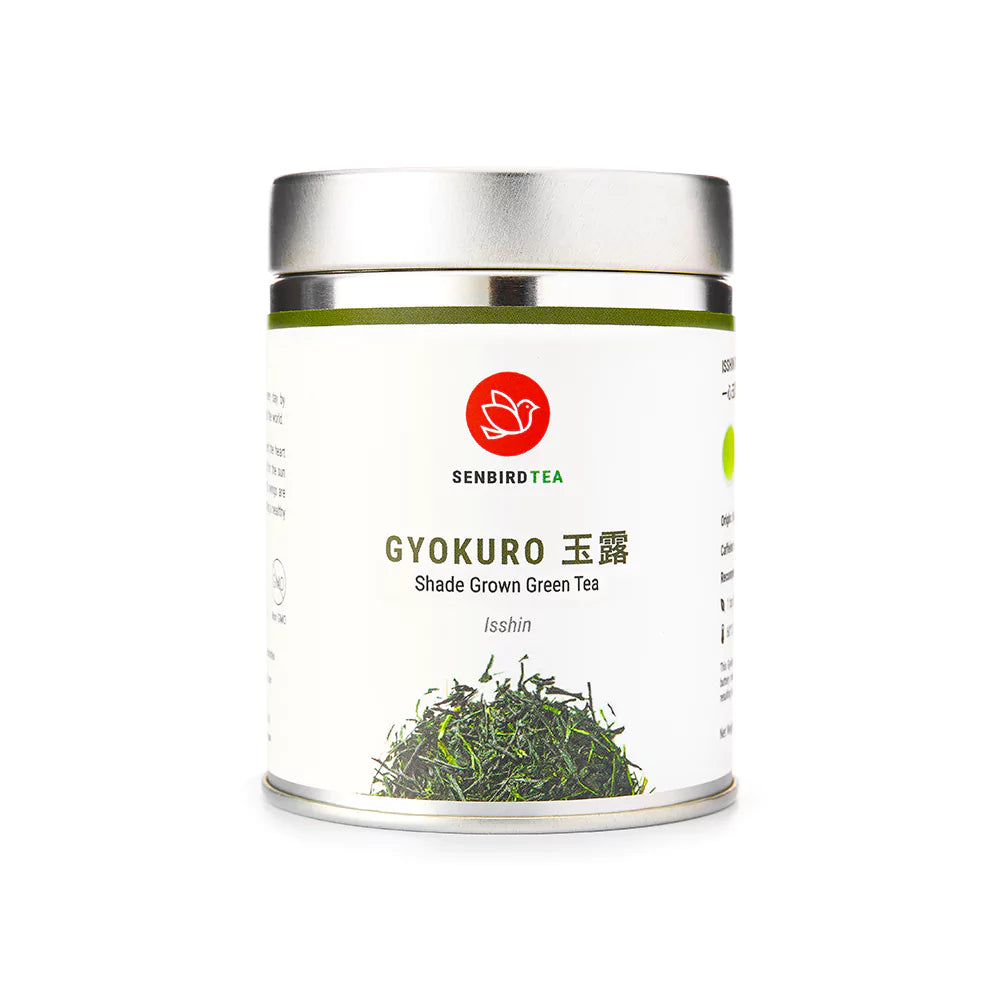
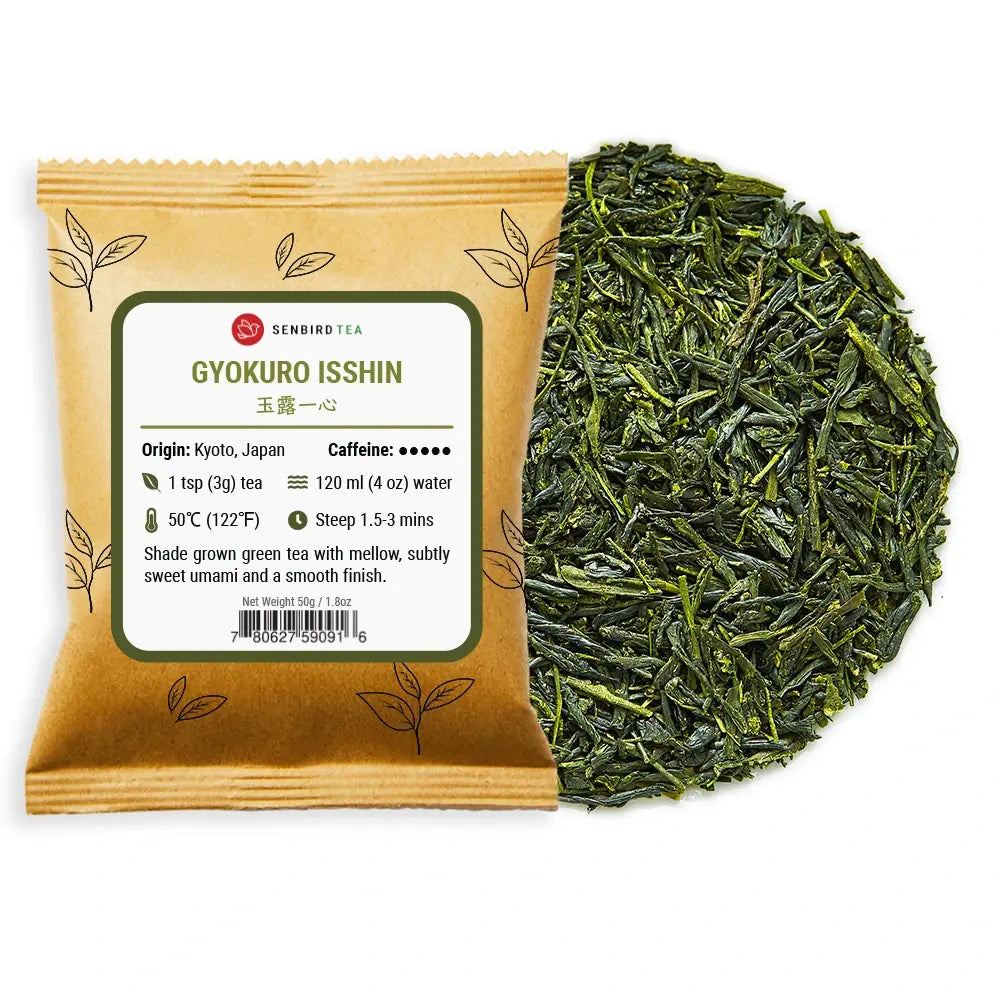
玉露一心
An Asatsuyu gyokuro with a sweet, mellow umami and a smooth finish perfect for grounding moments.