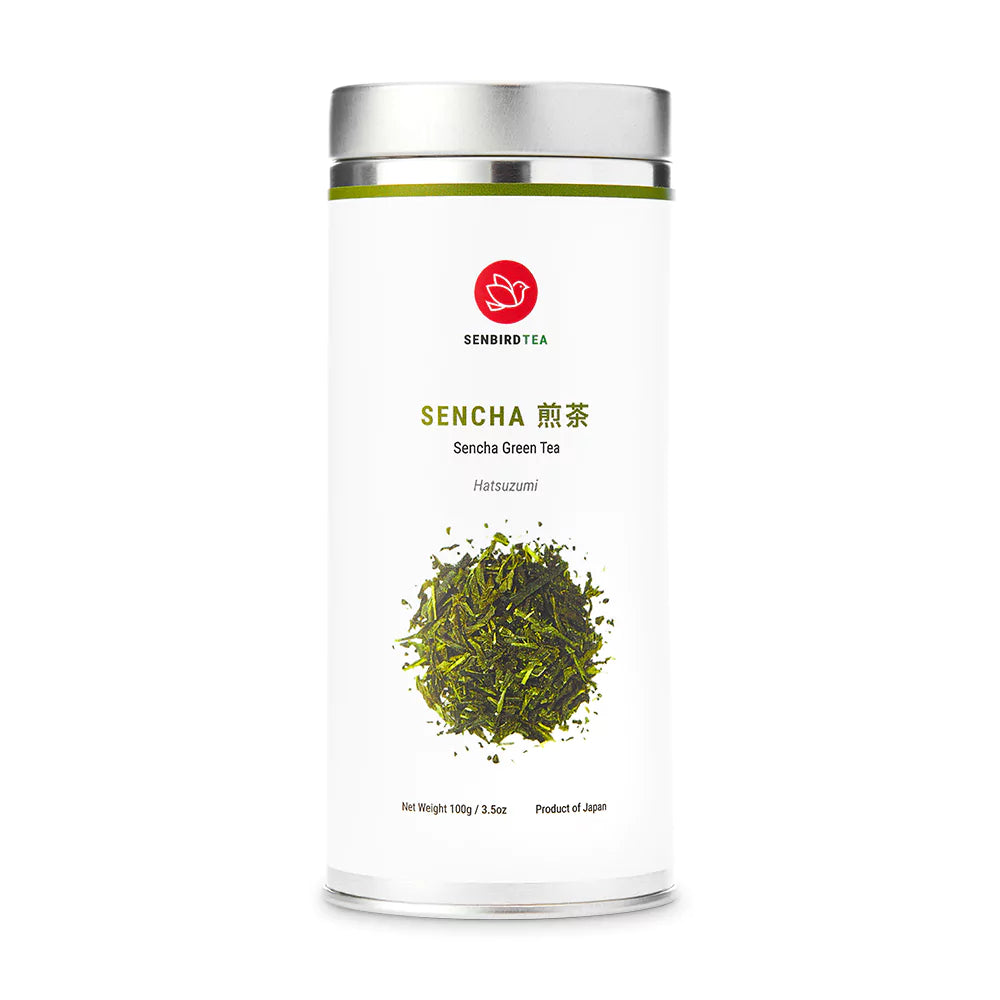
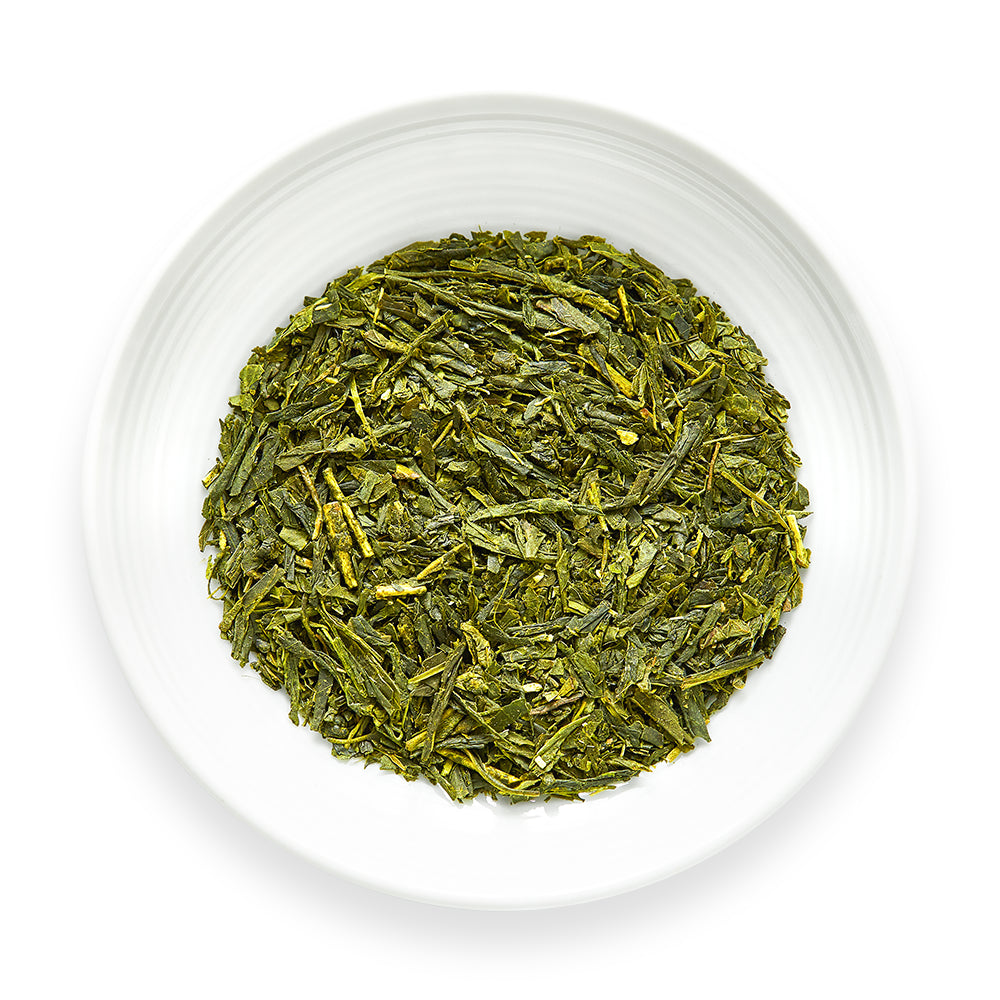
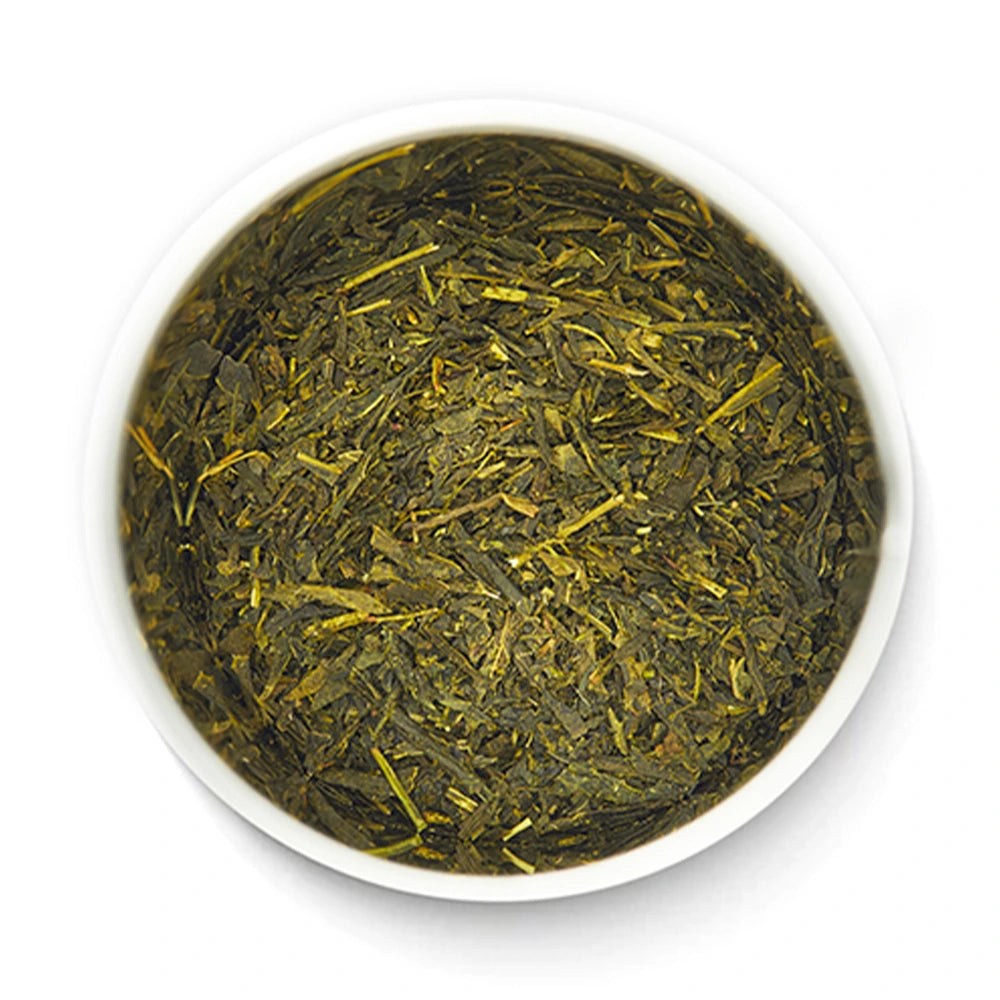
Brewing the perfect cup of sencha green tea requires attention to three variables: water temperature, leaf-to-water ratio, and steeping time. Getting these right transforms sencha from a generic green tea into a nuanced, umami-rich cup that showcases the full character of the leaf. Senbird Tea’s premium Japanese sencha is sourced from Shizuoka prefecture, where climate and terroir produce some of the world’s finest loose-leaf green tea.

Sencha is Japan’s most popular tea, accounting for nearly 80% of the country’s tea production. Unlike matcha (which is shade-grown and stone-ground) or hojicha (which is roasted), sencha is grown in full sunlight and steamed shortly after harvest to halt oxidation. This steaming process preserves the fresh, grassy flavor and vibrant green color that define high-quality sencha.
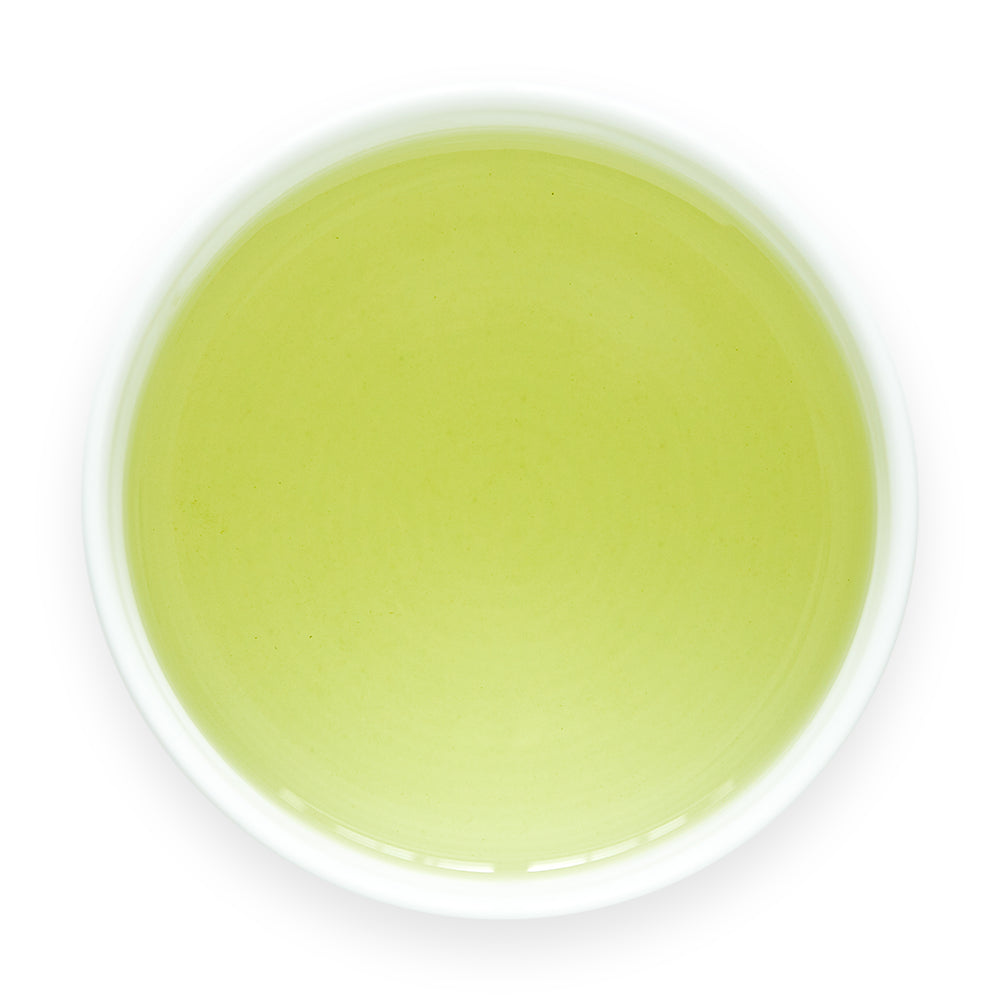
The two main processing styles are asamushi (light-steamed, 30–40 seconds) and fukamushi (deep-steamed, 60–90 seconds). Asamushi sencha produces a clear, delicate liquor with a refined taste, while fukamushi sencha yields a richer, more full-bodied cup with a slightly cloudy appearance. Senbird Tea offers both styles to suit different preferences.

A kyusu (side-handled Japanese teapot) is the traditional vessel for brewing sencha. Its built-in mesh filter catches the fine leaves while allowing the tea’s full flavor to pass through. If you don’t have a kyusu, any small teapot with a fine strainer or a gaiwan works well. A kitchen thermometer helps ensure accurate water temperature—the single most important factor in avoiding bitter sencha.


| Sencha Type | Temperature | Steep Time | Flavor Character |
|---|---|---|---|
| Asamushi (light steam) | 75–80°C | 60–90 sec | Delicate, clear, refined |
| Fukamushi (deep steam) | 70–75°C | 45–60 sec | Rich, full-bodied, cloudy |
| Cold brew sencha | Cold water | 6–8 hours | Sweet, smooth, low caffeine |
| Competition-style | 60–65°C | 2 min | Maximum umami, minimal bitter |

The most frequent mistake is using water that is too hot. Even 85°C—which sounds close to the recommended range—extracts noticeably more bitterness than 75°C. Over-steeping is the second most common error: leaving leaves in water beyond 90 seconds turns a pleasant cup into an astringent one. Finally, using too little leaf produces a weak, watery brew that fails to showcase Sencha Hatsuzumi’s depth. The 4–5 grams per 200 ml ratio ensures proper concentration.

Asamushi (light-steamed) sencha is steamed for 30–40 seconds, preserving the whole-needle leaf shape and producing a clear, golden-green liquor with a refined, aromatic character. Fukamushi (deep-steamed) sencha is steamed for 60–90 seconds, breaking down the leaf structure and releasing more of the tea’s internal compounds into the water. This creates a richer, more opaque green cup with a fuller body. Neither style is superior—they represent different expressions of the same leaf, and Senbird Tea carries both to help you discover your preference.
70-80°C (158-176°F) for standard sencha, 70-75°C for fukamushi (deep-steamed) sencha. This extracts the optimal balance of sweet amino acids and moderate catechins. To cool boiled water without a thermometer, pour it between two cups—each transfer drops the temperature by approximately 10°C.
Quality sencha leaves can be steeped 2-3 times, with each infusion offering a different character. The first steep is the most aromatic, the second is often the most balanced and sweet, and the third is lighter but still flavorful. Increase water temperature slightly and reduce steep time with each subsequent infusion.
Bitterness in sencha almost always results from water that is too hot (above 80°C) or steeping too long (beyond 90 seconds on first infusion). The fix is straightforward: lower your water temperature to 70-80°C, steep for only 60-90 seconds, and pour every last drop out of the teapot to stop extraction.
Fukamushi sencha is steamed 2-3 times longer than standard sencha during processing (60-120 seconds vs 30-40 seconds). This deeper steaming breaks the leaf cells open, producing a richer, more full-bodied brew with a deeper green color and a smoother, less astringent taste. Fukamushi sencha also releases more nutrients into the water because of its broken leaf structure.
Yes, but a Japanese kyusu teapot with a built-in fine-mesh strainer is ideal because it keeps small leaf particles out of your cup while allowing easy pouring of every last drop. If using a regular teapot, pair it with a fine-mesh strainer. Avoid tea balls or infusers that restrict leaf expansion—sencha leaves need space to unfurl fully for optimal extraction.
煎茶はつづみ
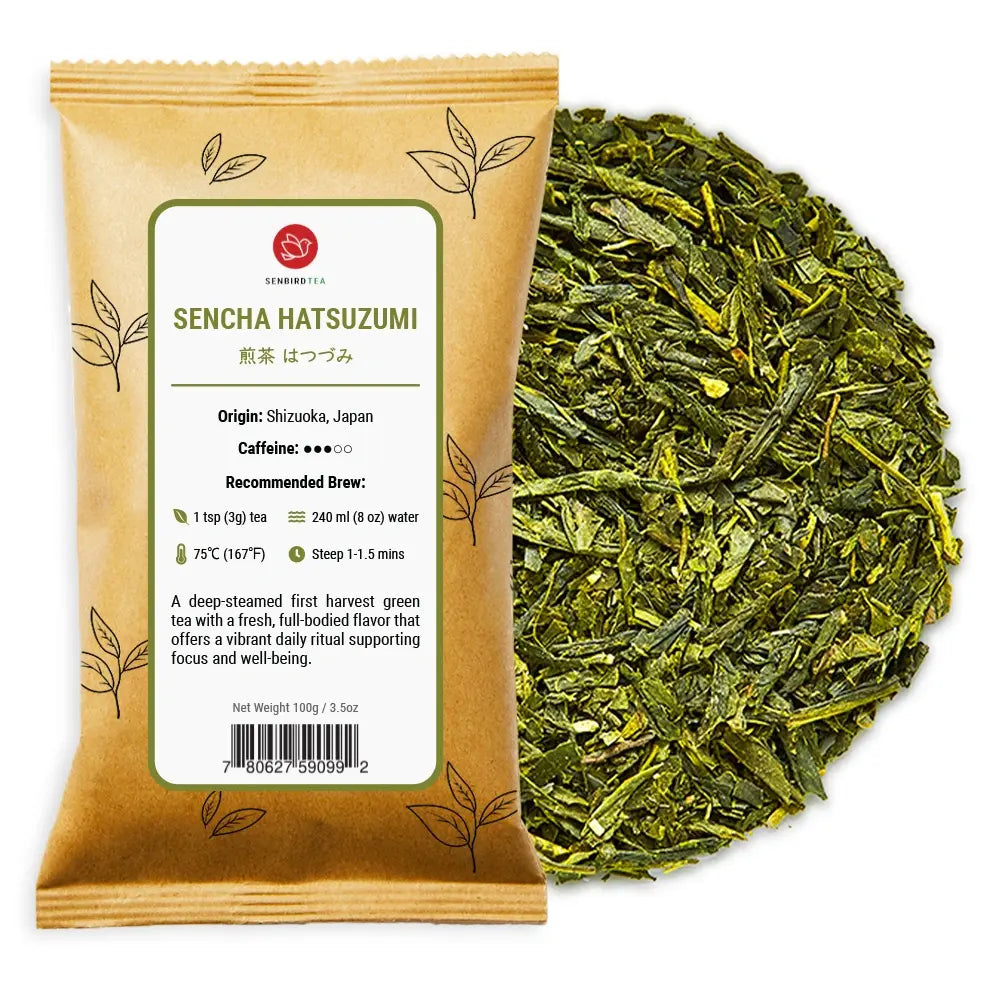
A deep-steamed first harvest green tea with a fresh, full-bodied flavor that offers a vibrant daily ritual supporting focus and well-being.