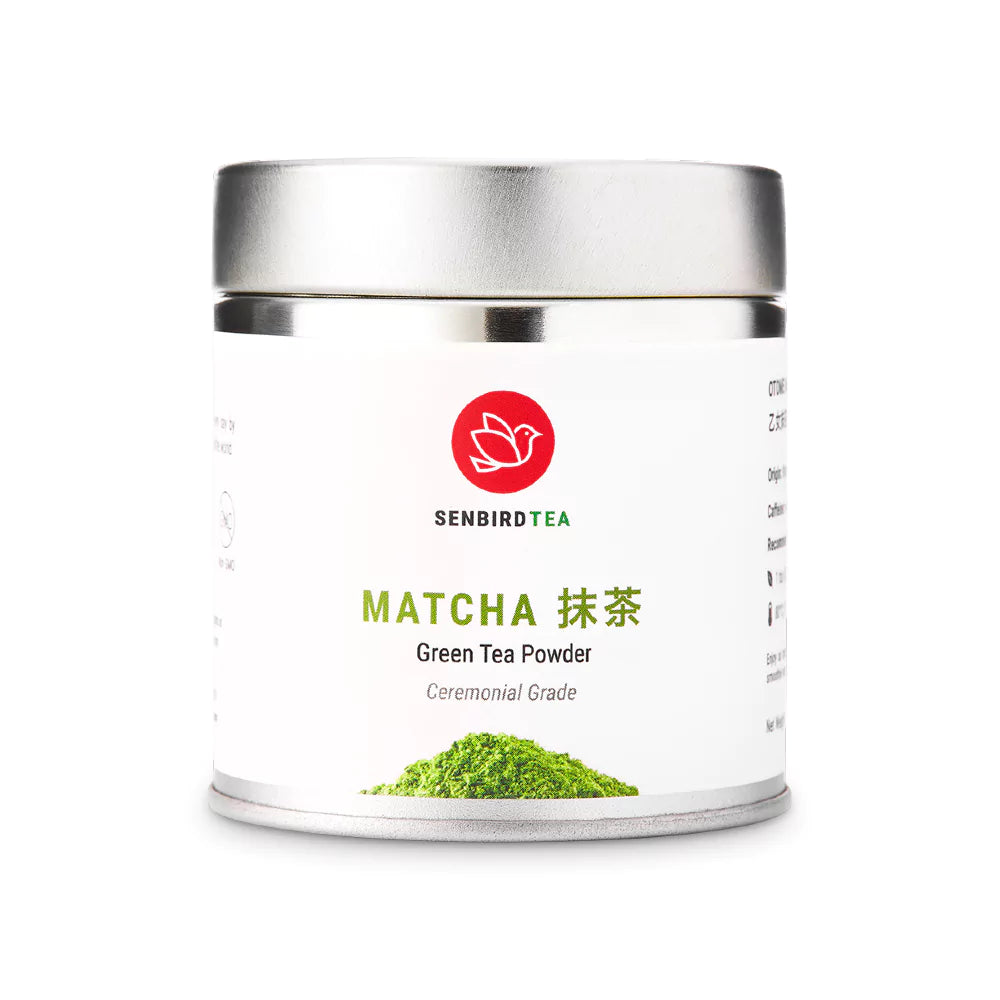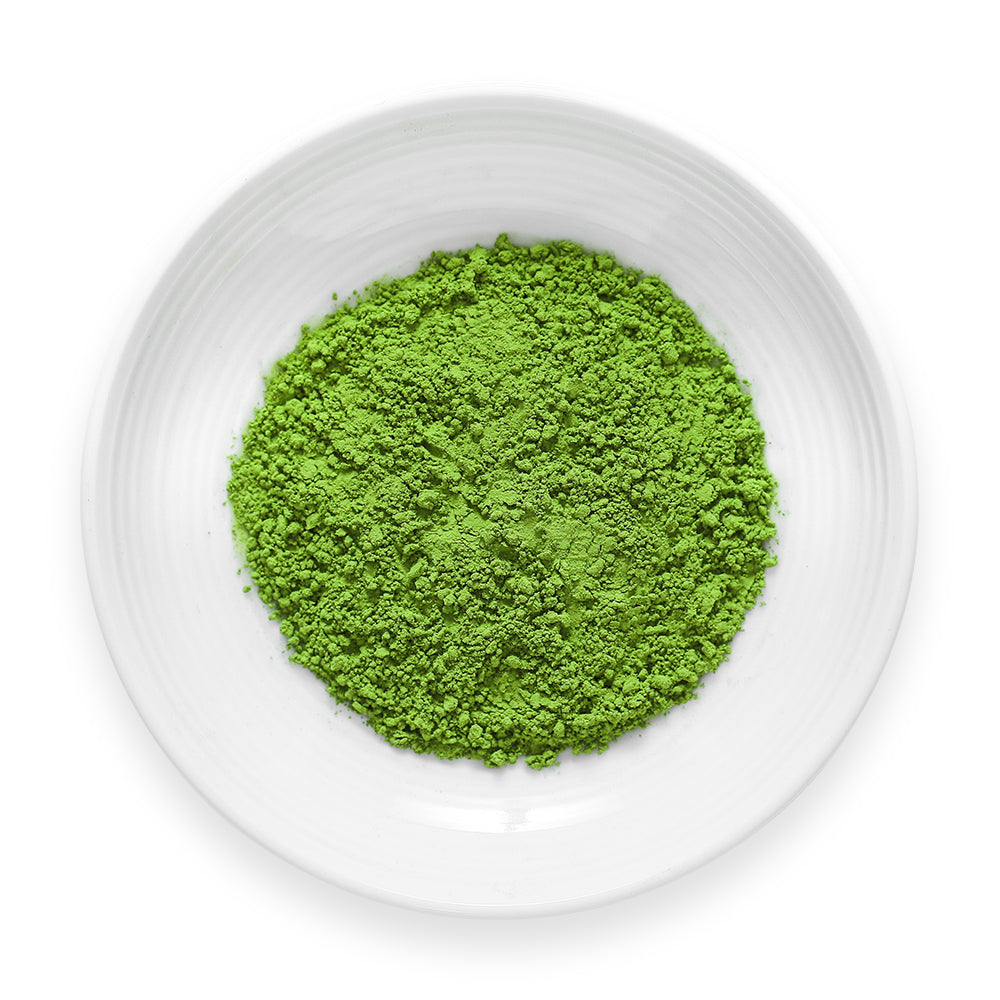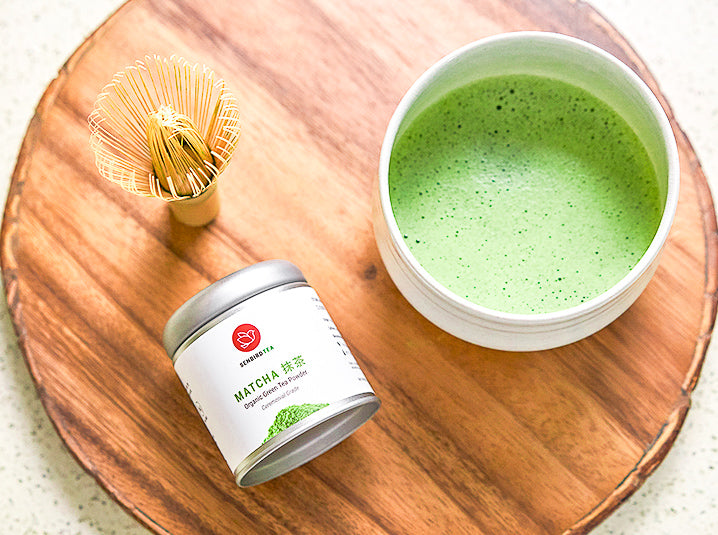


Matcha can be prepared in two distinct styles—usucha (薄茶, thin tea) and koicha (濃茶, thick tea)—each producing a fundamentally different drinking experience. Usucha is the lighter, frothy preparation most people associate with matcha, while koicha is a thick, paste-like concentration reserved for the highest-grade ceremonial matcha. Understanding the difference between these two styles helps you choose the right preparation for your matcha and get the most from every serving of Senbird Tea’s ceremonial-grade powder.

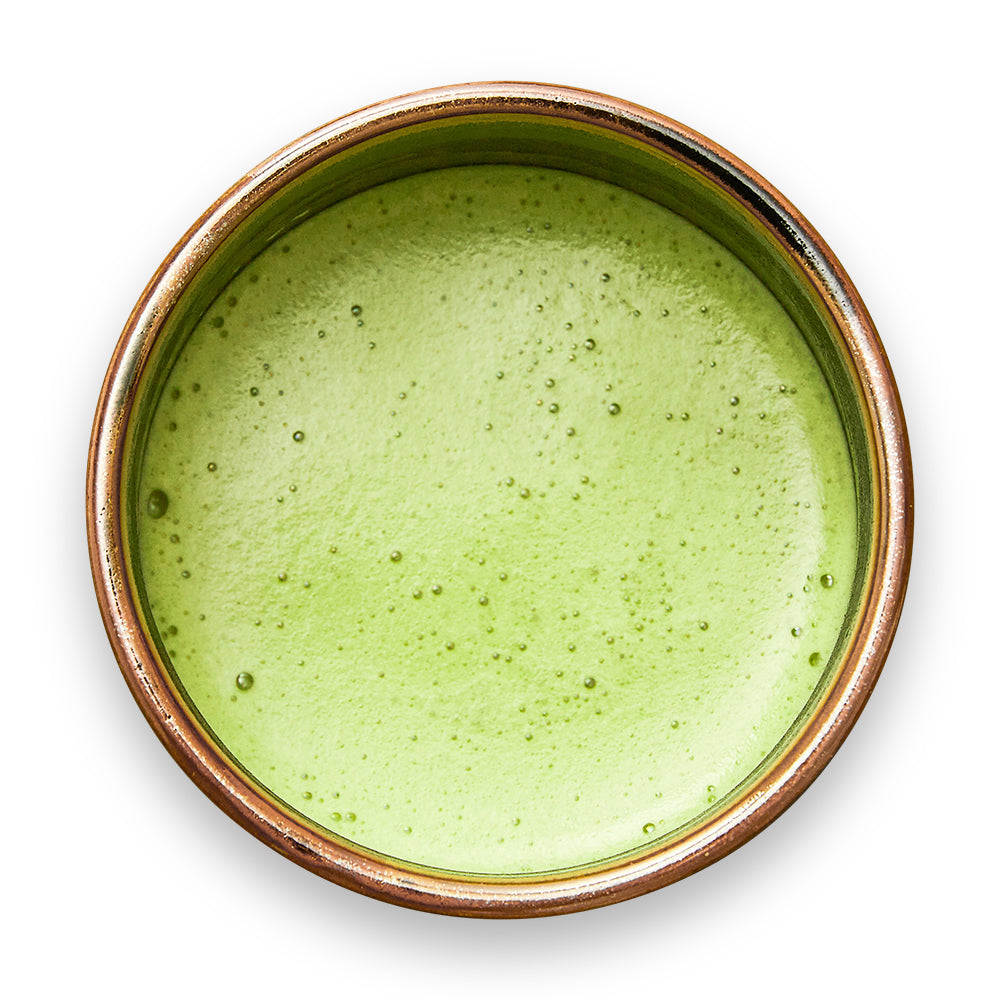
Usucha is the standard matcha preparation used in casual tea drinking and in the lighter portion of formal Japanese tea ceremonies. The word translates literally to “thin tea,” referring to the ratio of matcha to water. Usucha uses approximately 2 grams of matcha whisked with 70–80 ml of hot water, producing a bright green, frothy beverage with a smooth, slightly bitter-sweet flavor.
This style is what most matcha drinkers worldwide prepare at home. The frothy surface—created by vigorous whisking with a chasen (bamboo whisk)—is a hallmark of well-prepared usucha and indicates that the matcha has been properly dispersed without clumps. Usucha works well with both ceremonial and high-quality culinary matcha from Senbird Tea.
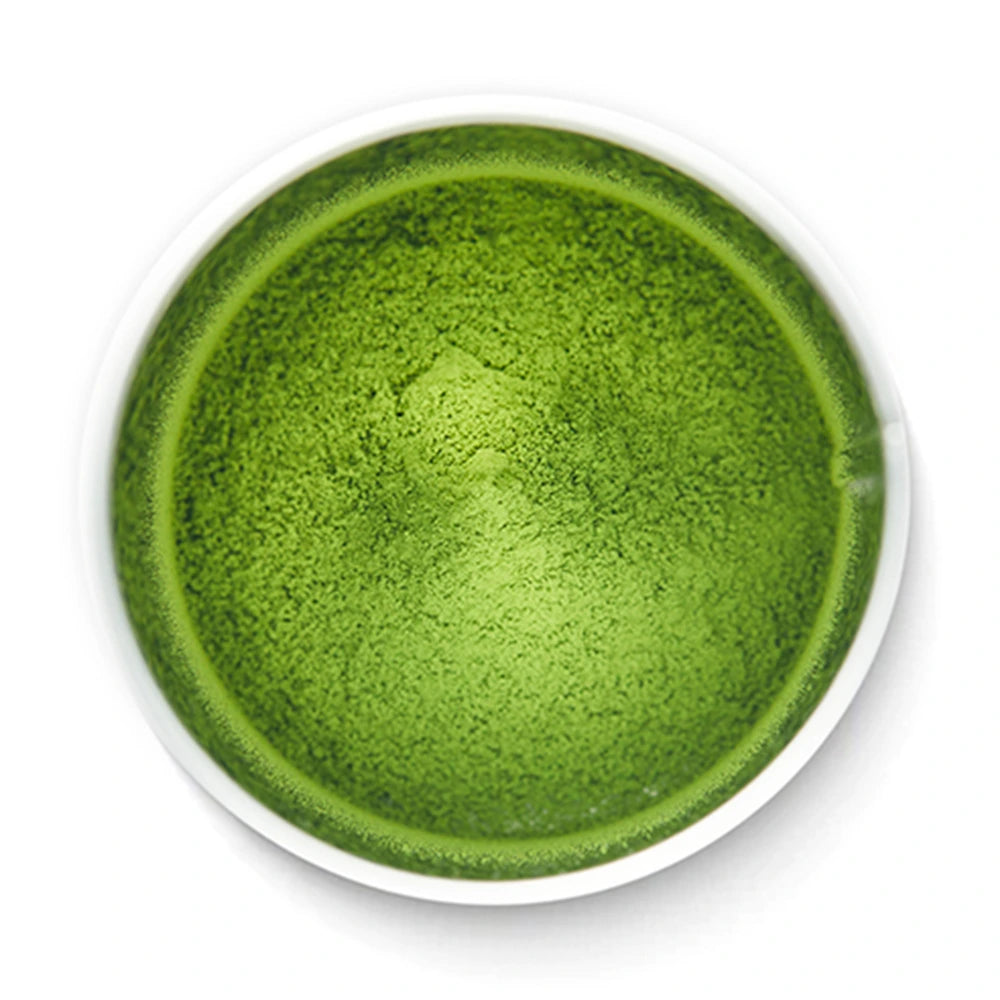
Koicha is the thick, concentrated preparation of matcha used exclusively in formal tea ceremonies and reserved for the highest-grade matcha. Koicha uses roughly double the matcha of usucha—3—4 grams per serving—with only 30–40 ml of water. The result is not whisked to a froth but kneaded gently with the chasen in slow, circular motions, producing a thick, paint-like consistency.

The flavor of koicha is intensely umami-rich, sweet, and full-bodied—completely different from the lighter taste of usucha. Because the matcha-to-water ratio is so concentrated, koicha exposes any bitterness or astringency in lower-grade matcha. This is why only the finest ceremonial-grade matcha—like Senbird Tea’s premium Uji-sourced powder—is suitable for koicha preparation.
For everyday drinking, usucha is the practical choice. It uses less matcha per serving, takes seconds to prepare, and pairs well with breakfast, work sessions, or afternoon breaks. Koicha is a special-occasion preparation—ideal for meditation, entertaining guests, or experiencing the full depth of a premium matcha.

If you are new to matcha, start with usucha to develop your palate, then try koicha once you have ceremonial-grade matcha and a chasen. The difference in flavor intensity between the two styles is remarkable and demonstrates why matcha quality matters so much when the tea-to-water ratio increases.
| Feature | Usucha (Thin) | Koicha (Thick) |
|---|---|---|
| Matcha amount | 2 g (1 tsp) | 3–4 g (2 tsp) |
| Water | 70–80 ml | 30–40 ml |
| Technique | Brisk W-whisking | Slow kneading |
| Texture | Frothy, light | Thick, paste-like |
| Best for | Daily drinking | Special occasions |
Koicha requires the highest ceremonial-grade matcha available. Because the preparation uses double the matcha with half the water, any bitterness or astringency in lower grades becomes overwhelming. Senbird Tea’s premium Uji ceremonial matcha is specifically suitable for koicha preparation.
While a chasen (bamboo whisk) produces the best results, you can use a small kitchen whisk or an electric milk frother for usucha. The key is creating enough agitation to fully dissolve the matcha and produce a frothy surface. A chasen’s fine tines create the ideal microfoam, but alternatives work for casual preparation.
Koicha’s thick consistency makes frothing impossible—the matcha-to-water ratio is too concentrated. Instead, the slow kneading motion blends the matcha into a smooth, uniform paste. In formal tea ceremonies, a frothy koicha would be considered improperly prepared.
Usucha has a lighter, slightly bitter-sweet flavor with grassy notes. Koicha is intensely umami-rich, sweet, and full-bodied with almost no bitterness when made with premium matcha. Many tea experts describe koicha as revealing the true character of a matcha’s terroir and processing quality.
Yes. Koicha uses roughly twice the amount of matcha as usucha, so a single serving contains approximately 120–140 mg of caffeine compared to 60–70 mg for usucha. The L-theanine content is also doubled, which helps modulate the caffeine’s effects into calm, sustained alertness.
抹茶乙女
Our best-selling ceremonial Okumidori matcha with a silky body, mellow cocoa notes, and refined umami, perfect for traditional preparation or refined lattes.