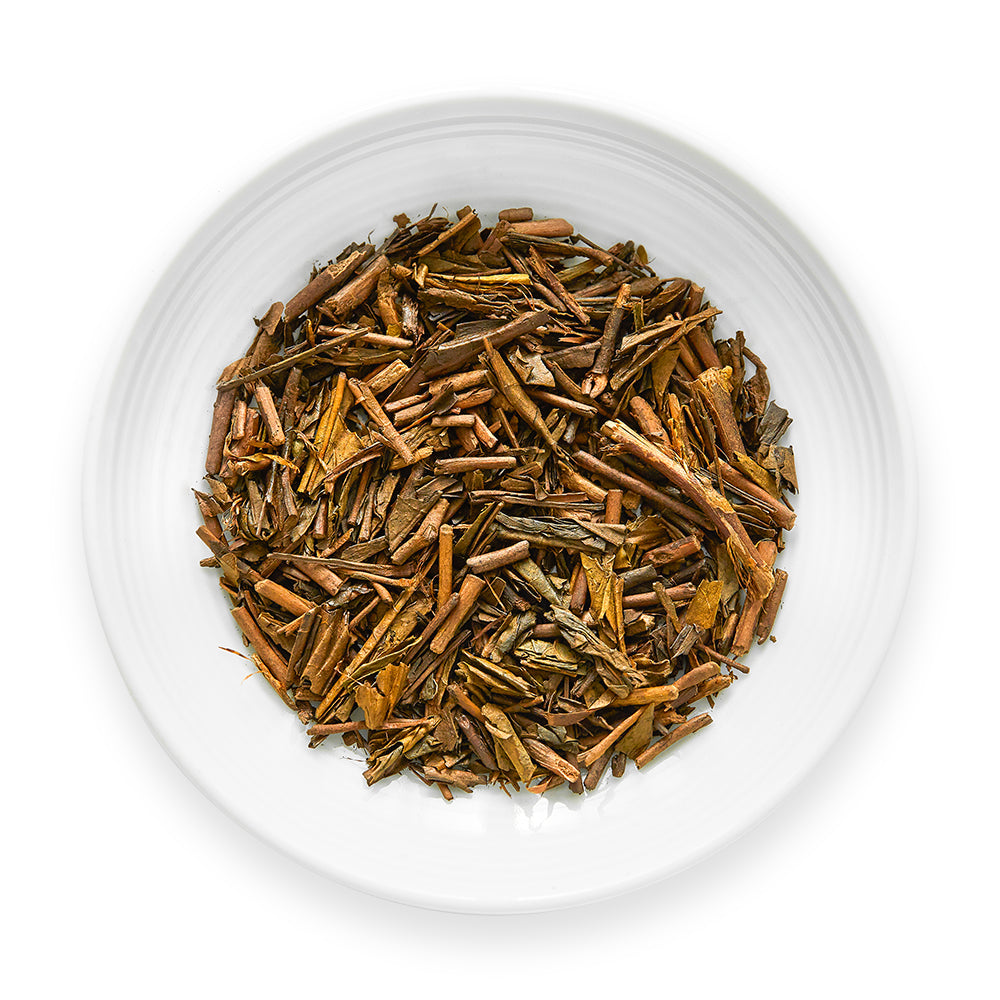
Looking for a green tea you can enjoy before bed without worrying about sleep? Hojicha is a Japanese roasted green tea with only about 15 mg of caffeine per cup, roughly one-fifth of a cup of coffee, making it one of the gentlest true teas you can drink. But low caffeine is just the beginning.
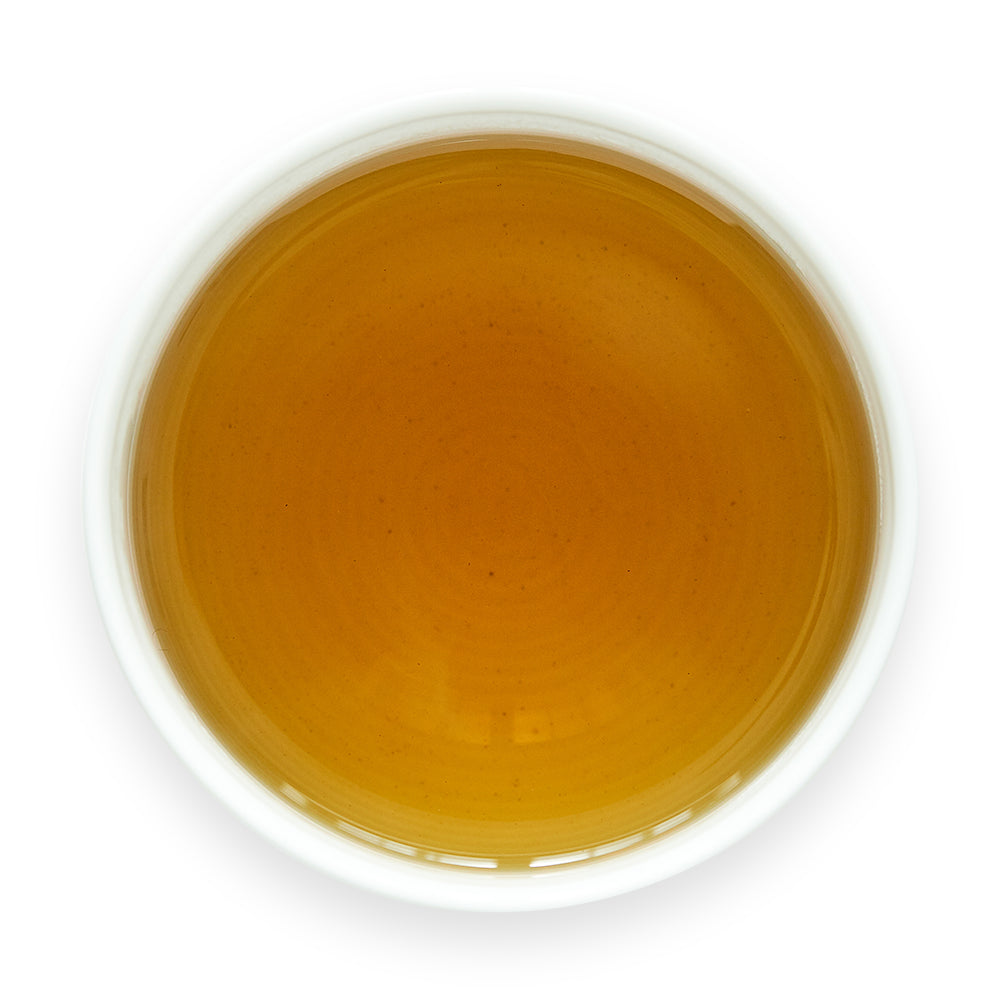
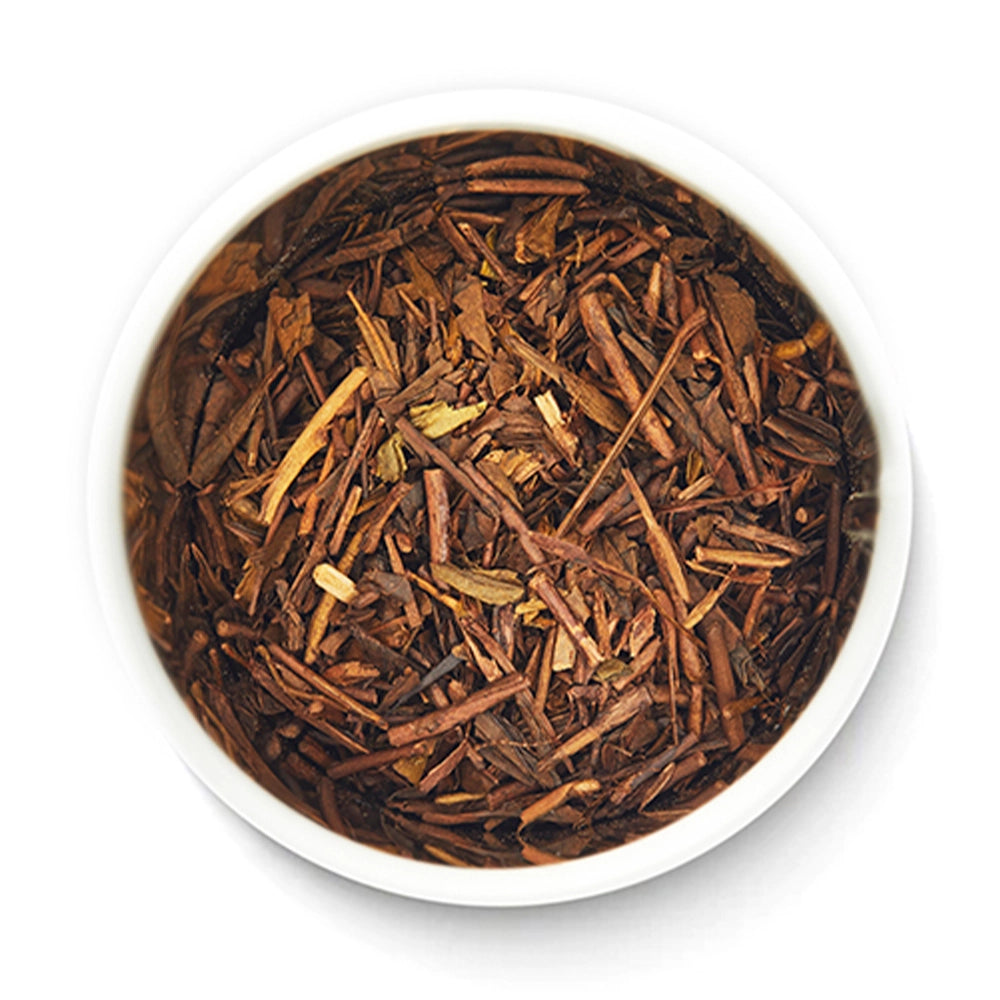
The high-temperature roasting process (above 200°C) that gives hojicha its warm, caramel-like flavor and distinctive brown color also transforms its chemical profile. It creates pyrazines, the aromatic compounds behind that toasty scent, while preserving the catechins, L-theanine, and other antioxidants found in all Japanese green teas. The result is a tea with a unique combination of health benefits — from stress relief and better sleep to heart health and immune support.
Here are 8 science-backed hojicha health benefits worth knowing about.
The information provided in this article is for educational and informational purposes only and is not intended as medical advice. It should not be used as a substitute for professional medical advice, diagnosis, or treatment. Always consult your physician or other qualified healthcare provider with any questions you may have regarding a medical condition or before making any changes to your diet or wellness routine.

Unlike sencha or gyokuro, which are steamed and rolled immediately after harvest, hojicha undergoes an additional roasting step at temperatures above 200 °C. This roasting reduces caffeine content by approximately 60–70 percent compared to unroasted green tea, while creating new aromatic compounds (pyrazines) responsible for hojicha's toasty, nutty scent. The result is a tea that retains many of green tea's beneficial polyphenols while being gentle enough for evening drinking, children, and those sensitive to caffeine.

Hojicha contains roughly 15 mg of caffeine per cup — about one-fifth of a cup of coffee and less than half of standard sencha. A 2020 review in the Journal of Caffeine and Adenosine Research notes that individuals with caffeine sensitivity can typically tolerate up to 50 mg without adverse effects, placing hojicha well within the comfort zone. Senbird Tea recommends hojicha as the perfect transition tea for coffee drinkers looking to reduce caffeine without giving up a warm daily ritual.

Hojicha retains meaningful levels of L-theanine, the amino acid responsible for promoting alpha brain-wave activity and calm focus. While roasting reduces L-theanine somewhat compared to raw green tea, hojicha's warmth and aroma add a sensory relaxation component. Research in Nutrients (2021) found that the combination of L-theanine intake and warm beverage consumption produced greater subjective relaxation than either factor alone.

The catechins and vitamin C preserved through roasting act as antioxidants that neutralize free radicals from UV exposure and pollution. A 2019 review in Dermatology and Therapy confirmed that regular green tea polyphenol intake supports collagen production and reduces markers of photoaging. While matcha and sencha deliver higher catechin concentrations per cup, hojicha's low caffeine makes it easier to consume multiple cups daily, increasing total antioxidant intake over time.

Hojicha contains catechins that have been shown to inhibit the replication of certain viruses in laboratory studies. A 2018 review in Molecules documented EGCG's role in modulating immune response pathways. Additionally, the pyrazines created during roasting have demonstrated antimicrobial properties in in-vitro research. Drinking hojicha regularly throughout cold and flu season provides a gentle, consistent supply of immune-supportive compounds.

Green tea polyphenols, including those in hojicha, have been associated with improved cardiovascular markers. A 2019 meta-analysis in the European Journal of Clinical Nutrition found that regular green tea consumption reduced LDL cholesterol and systolic blood pressure. Hojicha's low caffeine content means it is less likely to elevate heart rate in sensitive individuals, making it a heart-friendly option for those who find higher-caffeine teas stimulating.

The catechins in hojicha support thermogenesis and fat oxidation, although at lower levels than unroasted green tea. Where hojicha excels is as a digestive aid: the roasting process creates compounds that are gentler on the stomach lining than raw green tea. In Japan, hojicha is traditionally served after meals to aid digestion, and many restaurants pair it with heavy or oily dishes for this reason. Senbird Tea's hojicha roasted green tea is smooth enough to drink on an empty stomach without discomfort.

Like other green teas, hojicha contains natural fluoride and catechins that inhibit Streptococcus mutans, the primary cavity-causing bacterium. A 2020 review in the European Journal of Dentistry confirmed that regular green tea consumption reduces plaque formation. Hojicha's naturally low tannin content (reduced by roasting) also means significantly less tooth staining compared to black tea or coffee.

EGCG and other catechins in green tea have well-documented anti-inflammatory effects. A 2021 systematic review in Frontiers in Nutrition found that green tea polyphenols reduced inflammatory biomarkers (CRP, IL-6) across multiple clinical trials. While hojicha contains less EGCG than unroasted teas, its roasting produces additional anti-inflammatory pyrazine compounds not found in other green teas, creating a complementary anti-inflammatory profile.
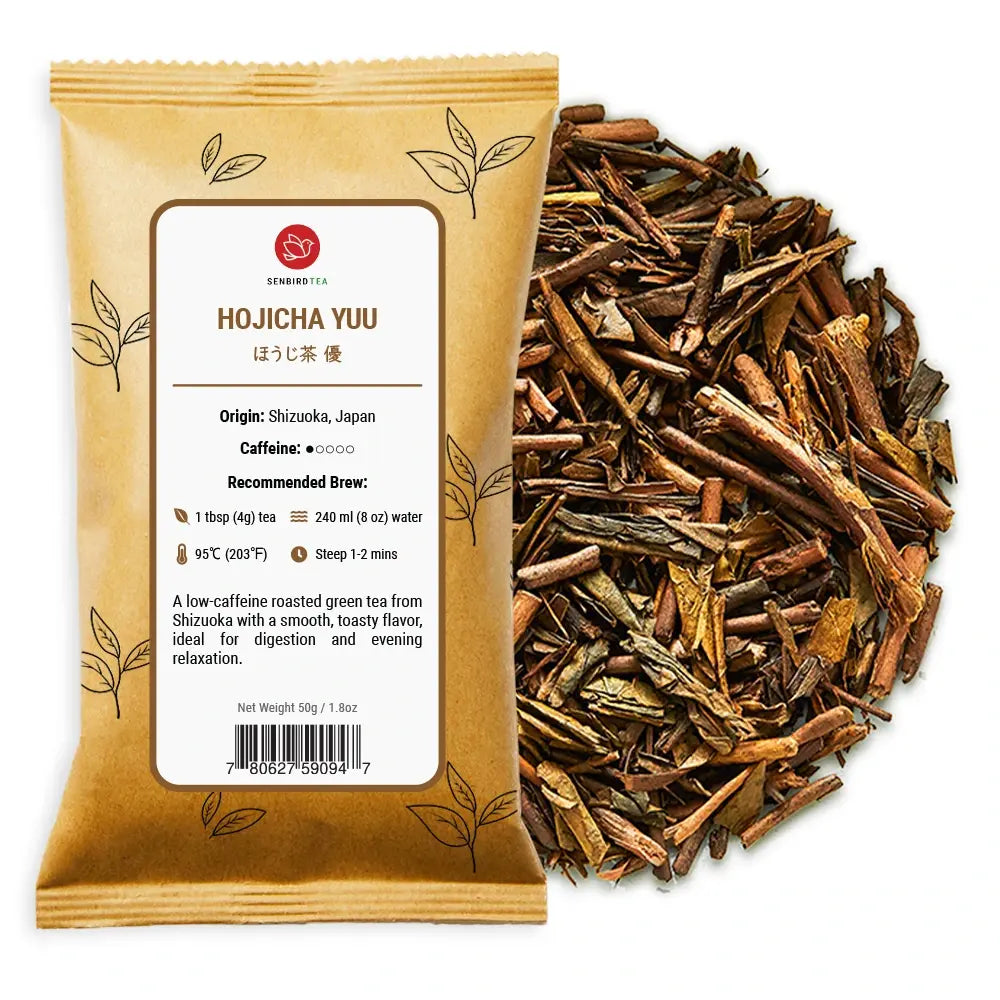
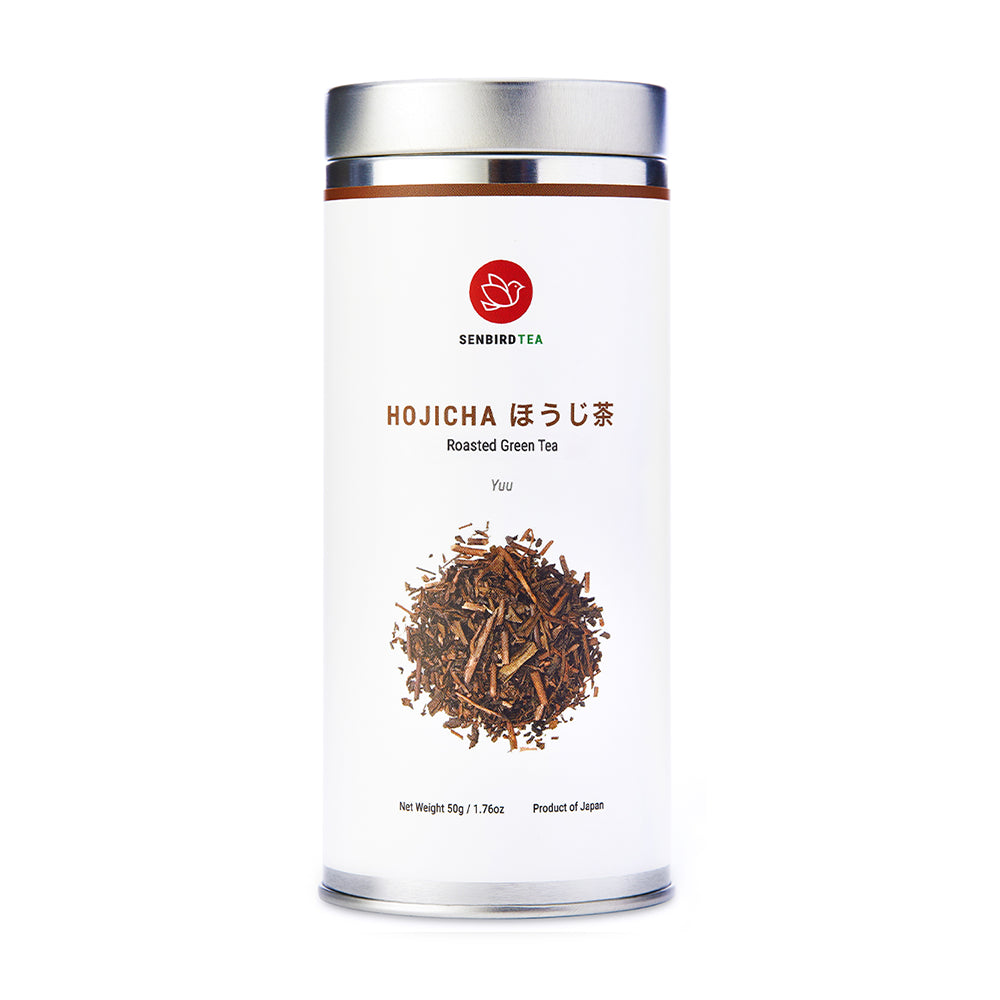
There are many ways to enjoy roasted green tea from Japan, including as Senbird Tea Hojicha Yuu loose leaf tea or as Hojicha Homura roasted green tea powder.
| Property | Hojicha | Sencha | Matcha | Genmaicha |
|---|---|---|---|---|
| Caffeine | ~15 mg | ~25 mg | ~70 mg | ~15 mg |
| Catechins (EGCG) | Moderate | High | Very High | Moderate |
| Tooth Staining | Very Low | Low | Low | Low |
| Stomach Gentleness | Very Gentle | Moderate | Can be acidic | Gentle |
| Best Time | Evening/Anytime | Morning/Afternoon | Morning | Afternoon |
| Flavor | Toasty, caramel | Fresh, grassy | Creamy, vegetal | Nutty, toasty |
Hojicha retains many of green tea's beneficial compounds including catechins, fluoride, and L-theanine, though in somewhat lower concentrations due to the roasting process. However, roasting creates unique pyrazine compounds with their own antimicrobial and anti-inflammatory properties. Hojicha's low caffeine also makes it easier to drink multiple cups daily, potentially increasing total polyphenol intake over time.
Yes. With roughly 15 mg of caffeine per cup (compared to 95+ mg in coffee), hojicha is one of the lowest-caffeine true teas available. Most people can drink it in the early evening without sleep disruption. For a completely caffeine-free bedtime option, Senbird Tea also offers mugicha, sobacha, and kuromamecha.
Hojicha's catechins support fat oxidation and thermogenesis, though at lower levels than unroasted sencha or matcha. Its primary weight-management advantage is as a zero-calorie substitute for sugary evening beverages. The warm, naturally sweet flavor satisfies cravings without added calories, making it a practical tool in a balanced diet.
The high-temperature roasting (above 200 °C) triggers Maillard reactions that create caramel, chocolate, and toasted grain flavor notes — the same chemical reactions that brown bread and roast coffee. These pyrazine compounds give hojicha its distinctive warmth and completely transform the grassy character of raw green tea into something closer to a comforting, roasted beverage.
Hojicha's low caffeine content makes it one of the most widely recommended teas for children and pregnant women in Japan. Many Japanese families serve hojicha with meals as a daily beverage. As with any caffeinated beverage during pregnancy, consulting a healthcare provider about personal limits is advisable, but hojicha's 15 mg per cup falls well below most recommended daily caffeine limits for pregnancy (200 mg).
ほうじ茶優
A low-caffeine roasted green tea from Shizuoka with a smooth, toasty flavor, ideal for digestion and evening relaxation.