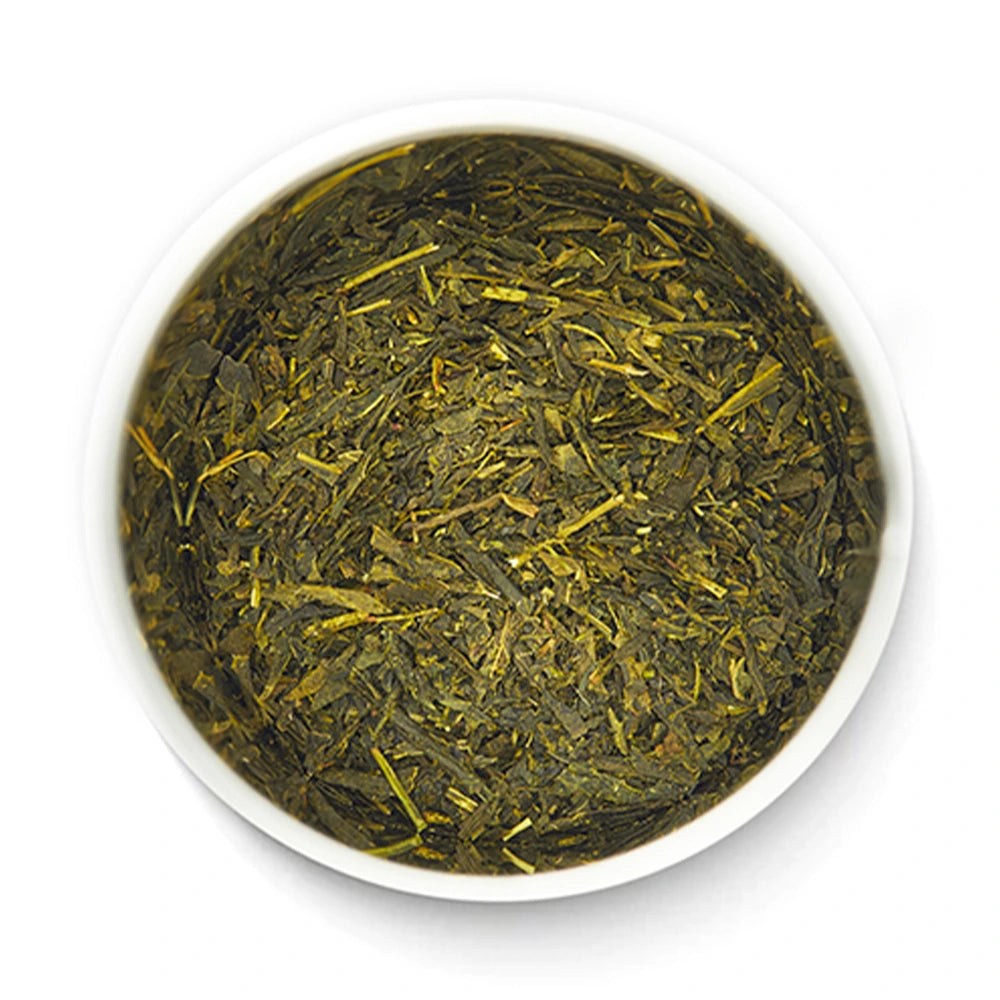
Green tea has been used in Traditional Chinese Medicine (TCM) for thousands of years as both a medicinal herb and a daily health tonic. Made from the leaves of the Camellia sinensis plant, green tea was first documented as a therapeutic substance in the Shennong Ben Cao Jing, a foundational TCM text attributed to the legendary emperor Shennong around 2737 BCE. Today, modern research continues to validate many of the health claims that TCM practitioners have made about green tea for centuries. Senbird Tea sources its Japanese green teas from regions with deep roots in this medicinal tea tradition.
The information in this article is not intended as medical advice or as a substitute for medical treatment. Please consult a medical professional before making changes to your health regimen.

Traditional Chinese Medicine is a holistic medical system that has been practiced for over 2,500 years. TCM views the human body as an interconnected system where health depends on the balanced flow of qi (vital energy) and the harmony between yin (cooling, calming) and yang (warming, activating) forces. When these forces become imbalanced, illness results. TCM uses a combination of herbal medicine, acupuncture, dietary therapy, and movement practices like tai chi to restore balance.
In TCM pharmacology, green tea is classified as a "bitter and sweet, cool" herb. This means it is believed to clear heat, resolve dampness, promote alertness, and support digestion. Modern pharmacological research has identified specific compounds in green tea—including catechins, L-theanine, and caffeine—that correspond to many of these traditional therapeutic claims.

The earliest recorded medicinal use of tea in China dates to the Shennong Ben Cao Jing, which describes tea as a substance that "makes one think better, sleep less, become lighter, and see more clearly." For much of its early history in China, tea was consumed primarily as medicine rather than as a social beverage.
TCM practitioners prescribed green tea for a range of conditions, including headaches and fatigue (the stimulating properties of caffeine), digestive complaints such as bloating, nausea, and diarrhea (tannins and catechins have astringent and antimicrobial properties), respiratory issues including chest congestion and coughs (theophylline is a natural bronchodilator), fevers and heat-related conditions (green tea's "cooling" nature in TCM classification), and as a general detoxifying agent to clear internal "dampness." A 2019 review in Pharmacological Research noted that many of these traditional applications align with modern pharmacological evidence for green tea polyphenols, particularly EGCG (epigallocatechin gallate).

When tea arrived in Japan in the 8th century via Chinese Buddhist monks, it carried its medicinal reputation. The Zen monk Eisai (1141–1215) wrote Kissa Yojoki ("Drinking Tea for Health"), one of Japan's earliest texts on tea, which describes tea as "a miraculous medicine for the maintenance of health" and a remedy for heart disease, loss of appetite, and fatigue.
Over the following centuries, Japanese tea culture evolved beyond pure medicine into a practice that integrated physical health with mental and spiritual well-being. The Japanese tea ceremony (chanoyu) incorporated mindfulness, aesthetics, and social harmony alongside the health benefits of the tea itself. Today, Japan's approach to green tea reflects this holistic perspective: tea is consumed daily not as medicine per se, but as a foundational element of a healthy lifestyle. Senbird Tea's Japanese green teas carry forward this centuries-old tradition of tea as a vehicle for well-being.

Over the past 25 years, extensive clinical research has validated many of TCM's claims about green tea. Key findings include EGCG catechins demonstrating antioxidant activity up to 100 times more potent than vitamin C in laboratory studies, L-theanine promoting alpha brain wave activity associated with calm alertness, polyphenols supporting cardiovascular health by improving blood lipid profiles, and antimicrobial properties that support oral health and digestion.
A large-scale 2020 study in the European Journal of Preventive Cardiology following over 100,000 Chinese adults found that habitual tea drinkers had a 20% lower risk of heart disease and a 22% lower risk of fatal heart disease compared to non-tea drinkers. Shade-grown teas like Gyokuro Isshin contain especially high levels of L-theanine due to the extended shading process.

| TCM Claim | Modern Scientific Evidence | Key Compound |
|---|---|---|
| Clears heat, reduces fever | Anti-inflammatory properties confirmed | EGCG catechins |
| Promotes alertness | Caffeine + L-theanine synergy documented | Caffeine, L-theanine |
| Aids digestion | Antimicrobial and astringent effects | Tannins, catechins |
| Detoxifies the body | Antioxidant activity neutralizes free radicals | Polyphenols |
| Supports heart health | Improved blood lipids, lower CVD risk | EGCG, flavonoids |
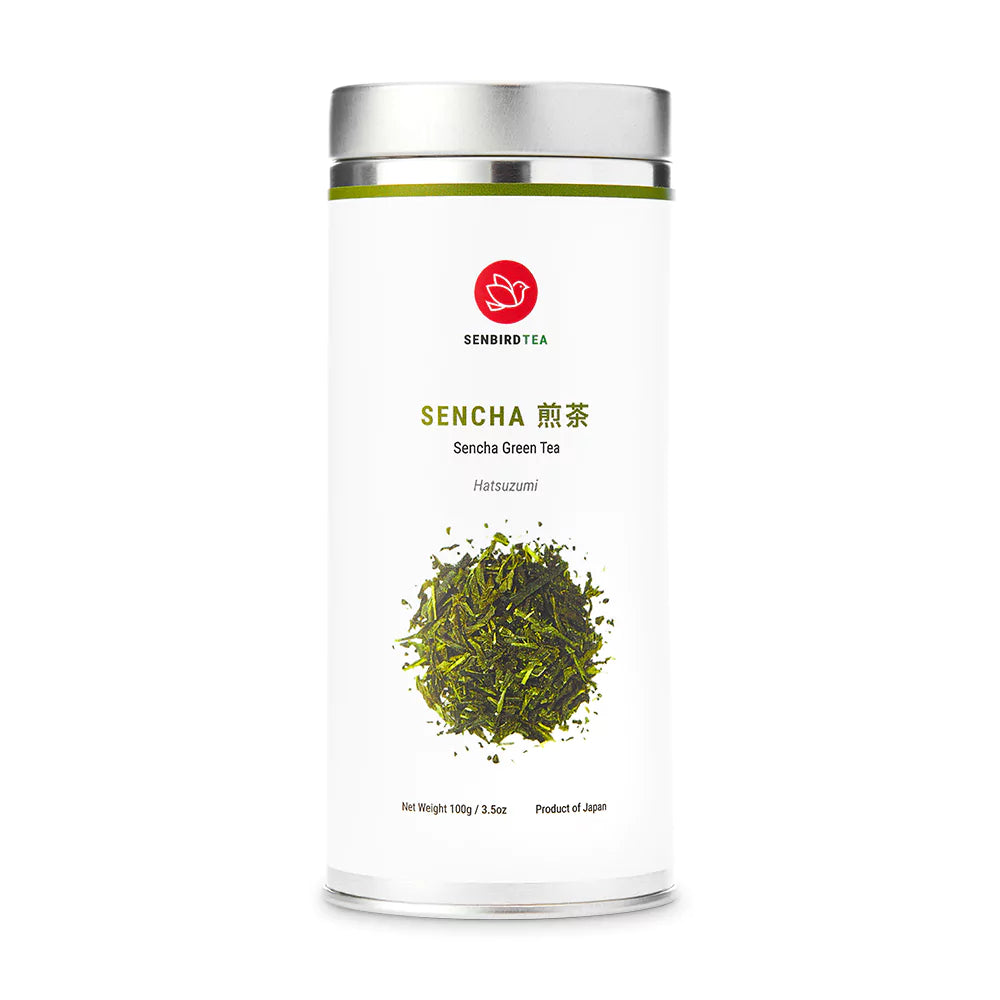
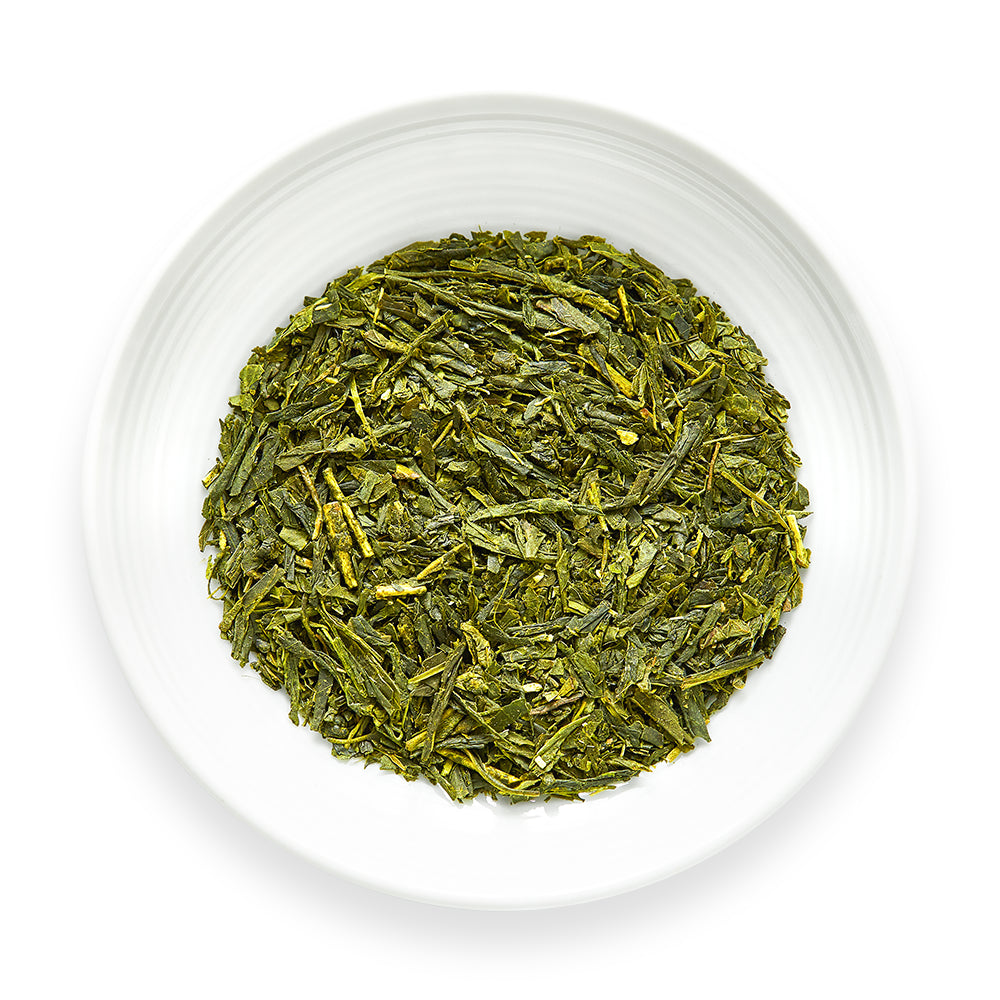
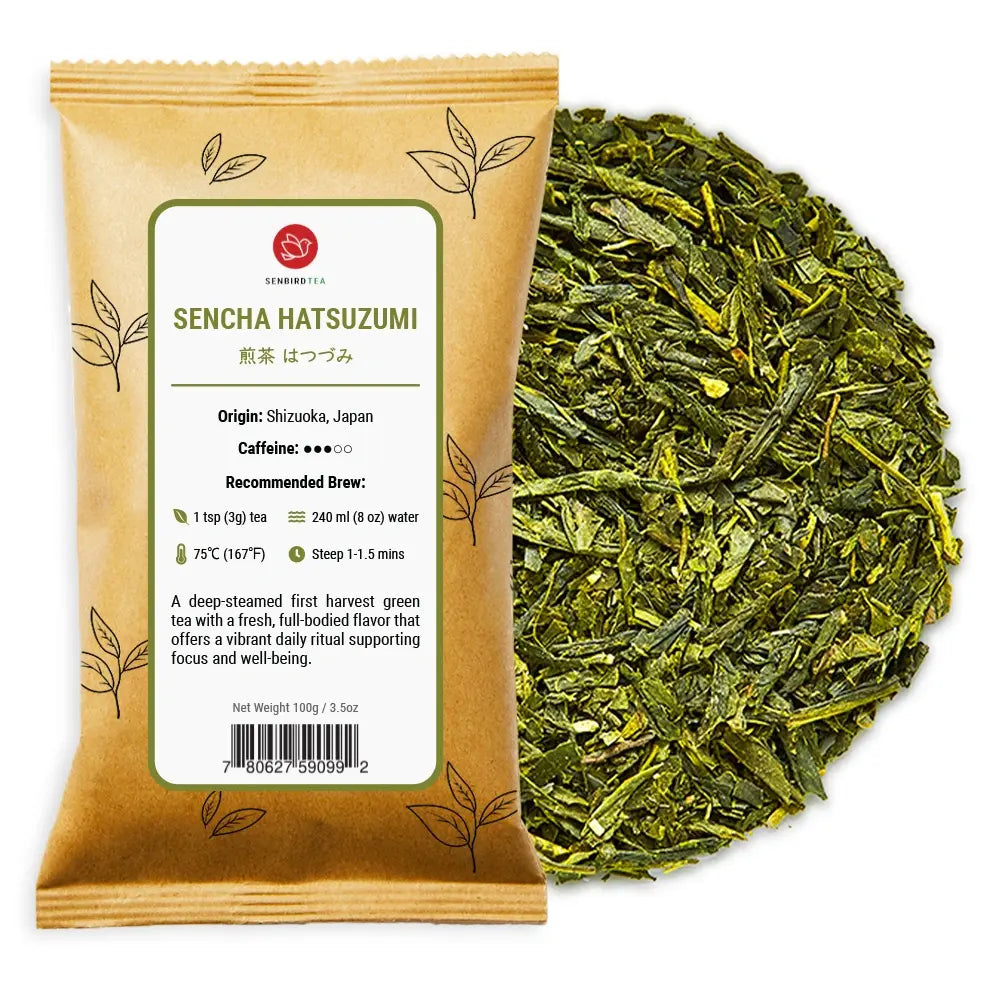
Among Japanese green teas, Sencha Hatsuzumi offers a well-balanced profile of catechins and caffeine that aligns with many of these traditional and modern health claims.
In modern China, green tea remains a component of TCM herbal formulations and is recommended by some practitioners for specific conditions. In Japan, green tea is not classified as medicine but is recognized as a functional health food. Both countries view daily green tea consumption as a foundational health practice, similar to how Western cultures view exercise or a balanced diet.
Matcha provides the highest concentration of catechins and L-theanine because you consume the entire ground leaf. Among steeped teas, gyokuro from Senbird Tea contains the most L-theanine due to its shade-growing process, while sencha offers a balanced profile of catechins and caffeine. All Japanese green teas from Senbird Tea provide significant health benefits when consumed regularly.
Most research suggests 3–5 cups of green tea per day to achieve meaningful health benefits. A large Japanese study (the Ohsaki Study, following over 40,000 adults) found the greatest cardiovascular benefits among those drinking 5 or more cups daily. However, even 1–2 cups provide antioxidant support.
Green tea can interact with certain medications, particularly blood thinners (warfarin), some blood pressure medications, and stimulant drugs. The vitamin K in green tea can affect warfarin efficacy, and the caffeine content may amplify stimulant effects. Always consult your doctor if you take prescription medication regularly.
In TCM, green tea is classified as "cooling" and is traditionally recommended during spring and summer months or when the body shows signs of excess heat (inflammation, irritability, red complexion). TCM practitioners often advise drinking green tea after meals to aid digestion rather than on an empty stomach, as its cooling nature may be too strong for some constitutions without food as a buffer.
煎茶はつづみ
A deep-steamed first harvest green tea with a fresh, full-bodied flavor that offers a vibrant daily ritual supporting focus and well-being.