

Tea meditation is a mindfulness practice that transforms the everyday act of brewing and drinking tea into a moving meditation, engaging all five senses to anchor you in the present moment. Rooted in centuries of Japanese Zen Buddhist tradition, this practice requires nothing more than loose leaf tea, a quiet space, and 10–15 minutes. This Senbird Tea guide walks you through a complete tea meditation session step by step.

Tea meditation blends the art of mindful tea preparation with focused breathing and sensory awareness. Unlike seated meditation where the mind has only the breath as an anchor, tea meditation provides multiple sensory focal points: the sound of boiling water, the aroma of leaves, the warmth of the cup, the color of the liquor, and the taste of each sip. This multisensory engagement makes tea meditation especially accessible for beginners who find traditional silent meditation difficult.
The practice shares deep roots with Japanese tea ceremony (chanoyu), which emphasizes ichigo ichie—“one time, one meeting”—treating each tea session as a unique, unrepeatable experience. Research published in Mindfulness (2019) found that ritualized mindful eating and drinking practices significantly reduced stress and improved self-reported well-being in participants. Senbird Tea’s Japanese green teas are particularly suited for this practice because their high L-theanine content naturally promotes calm alertness.
Matcha and meditation share a 900-year history rooted in Zen Buddhism. Monks originally brought powdered tea from China to Japan specifically to enhance their meditation practice, discovering that matcha's unique combination of L-theanine and caffeine produced the ideal mental state for prolonged sitting meditation: alert but calm, focused but relaxed. Modern neuroscience confirms what these monks intuited — L-theanine directly stimulates alpha brain wave production (8–13 Hz), the same brain wave pattern achieved during deep meditation.
L-theanine crosses the blood-brain barrier within 30–40 minutes of consumption and produces measurable changes in brain wave activity. A 2008 study published in the Asia Pacific Journal of Clinical Nutrition demonstrated that L-theanine significantly increased alpha brain wave activity in participants within 40 minutes — without causing drowsiness.
The caffeine in matcha (70 mg per serving) complements this effect by preventing the drowsiness that often derails meditation sessions. Unlike coffee, which triggers beta wave activity (alertness with anxiety potential), matcha's caffeine is modulated by L-theanine to produce what researchers call "calm alertness" — the optimal state for sustained focused attention.

Before you begin, bring your full attention to your teaware. Pick up your kyusu teapot or brewing vessel and notice its shape, weight, color, and texture. Run your fingers along the surface. This deliberate sensory engagement signals to your mind that you are shifting out of autopilot mode and into mindful awareness. Choose a Senbird Tea that resonates with your mood—sencha for bright energy, gyokuro for deep calm, or hojicha for warm comfort.
Heat your water and settle into your space. As the water heats, close your eyes and focus on the changing sounds—the first quiet hiss, the building rumble, and the rolling boil. Use this time to take slow, deep breaths, inhaling through your nose for four counts and exhaling through your mouth for six. Let the sound of heating water replace the mental chatter of your day.
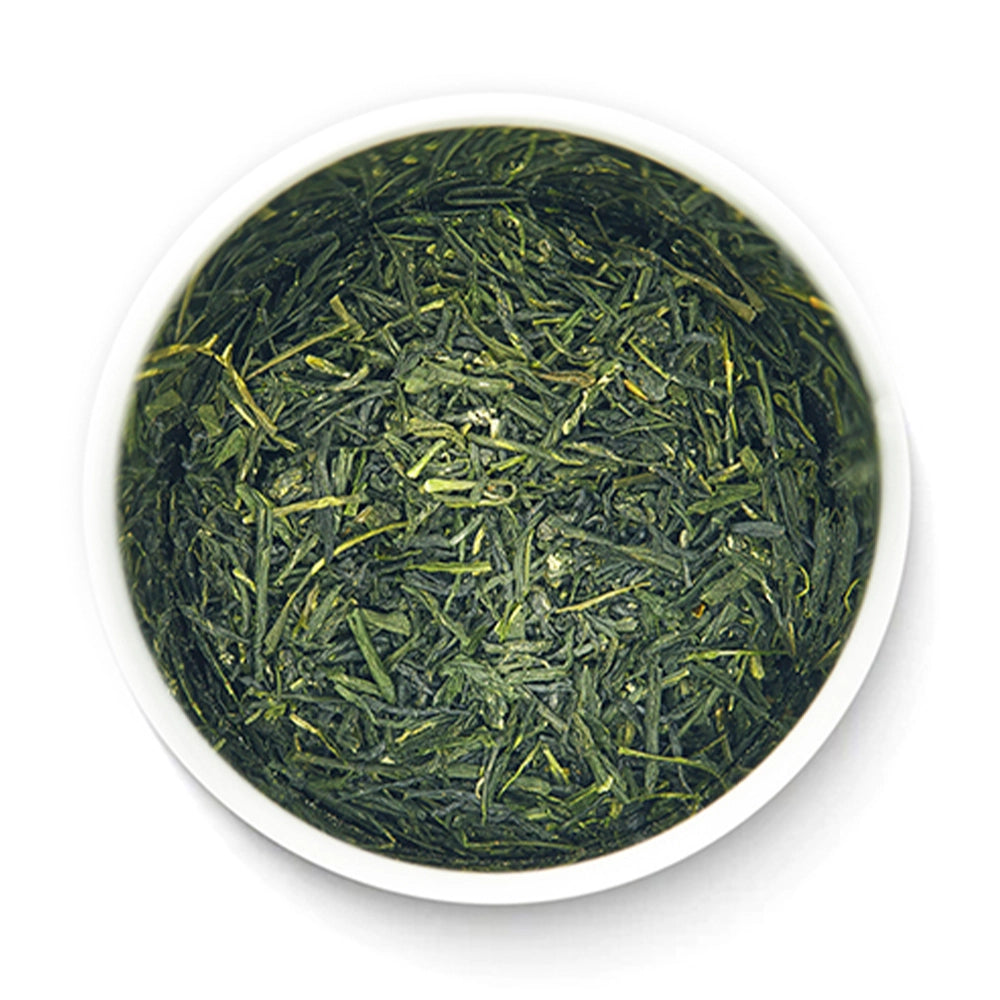
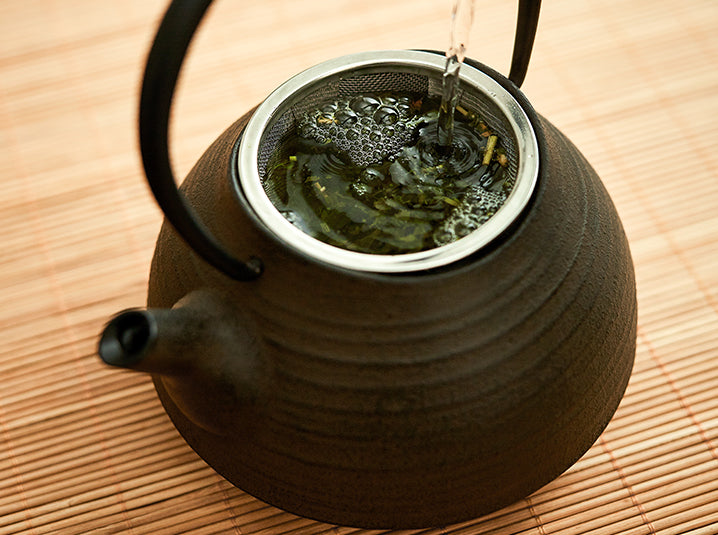
Gently pour your Senbird Tea leaves into the kyusu teapot. Pause to notice the aroma of the dry leaves—fresh and grassy for sencha, sweet and shaded for gyokuro, toasty and warm for hojicha. Pour the heated water slowly over the leaves and watch them begin to unfurl. As the tea steeps, observe the color gradually deepening in the water. This process of patient observation is the heart of tea meditation.
Pour the brewed tea carefully into your cup (yunomi). Listen to the sound of the liquid flowing. Before drinking, hold the cup in both hands and feel the warmth. Bring the cup close to your nose and inhale the aroma deeply. Take your first sip slowly, letting the tea rest on your tongue for a moment before swallowing. Notice the flavor, the texture, the temperature, and the aftertaste. Between sips, return to slow belly breathing. Each sip is an invitation to return to the present moment.
After finishing your cup, pause for a moment of gratitude. Reflect on the journey your tea has taken—from the soil and sunlight in Japan’s tea fields, to the farmers who cultivated and harvested the leaves, to the hands that processed and packaged them, to this quiet moment in your own space. This practice of gratitude, central to both Japanese tea ceremony and mindfulness meditation, closes the session with a sense of connection and appreciation.

| Practice | Duration | Sensory Engagement | Equipment Needed | Best For |
|---|---|---|---|---|
| Tea Meditation | 10–15 min | All 5 senses | Tea + teaware | Beginners, sensory learners |
| Seated Breath Meditation | 5–30 min | Breath only | None | Deep focus, experienced meditators |
| Walking Meditation | 10–20 min | Touch, sight | None (outdoor space) | Active people, restless minds |
| Body Scan | 15–30 min | Internal awareness | None | Tension release, sleep prep |
A complete tea meditation session typically takes 10–15 minutes, roughly the time it takes to brew and drink one cup of tea. There is no minimum or maximum—even a 5-minute mindful tea break during a busy day provides benefits. The key is consistency rather than duration.
Any tea you enjoy can work, but Japanese green teas from Senbird Tea are particularly well-suited because of their high L-theanine content, which promotes calm alertness. Gyokuro offers the deepest calm, sencha provides balanced energy, and hojicha’s warm roasted character is soothing for evening practice.
No. While traditional Japanese teaware like a kyusu and yunomi cup enhance the ritual aspect, any cup and brewing method will work. The practice is about mindful attention, not equipment. However, using beautiful Japanese teaware you enjoy can deepen the sensory experience.
Tea meditation is a legitimate mindfulness practice in its own right, not a lesser substitute. For many people, it serves as an accessible gateway to deeper meditation practices. The physical sensory anchors of tea make it easier to maintain focus compared to silent seated meditation, especially for beginners.
Japanese tea ceremony (chanoyu) is a formalized ritual with specific movements, tools, and etiquette that can take years to master. Tea meditation is a personal, informal mindfulness practice that borrows the spirit of chanoyu—presence, gratitude, and sensory attention—without requiring formal training or specialized equipment.
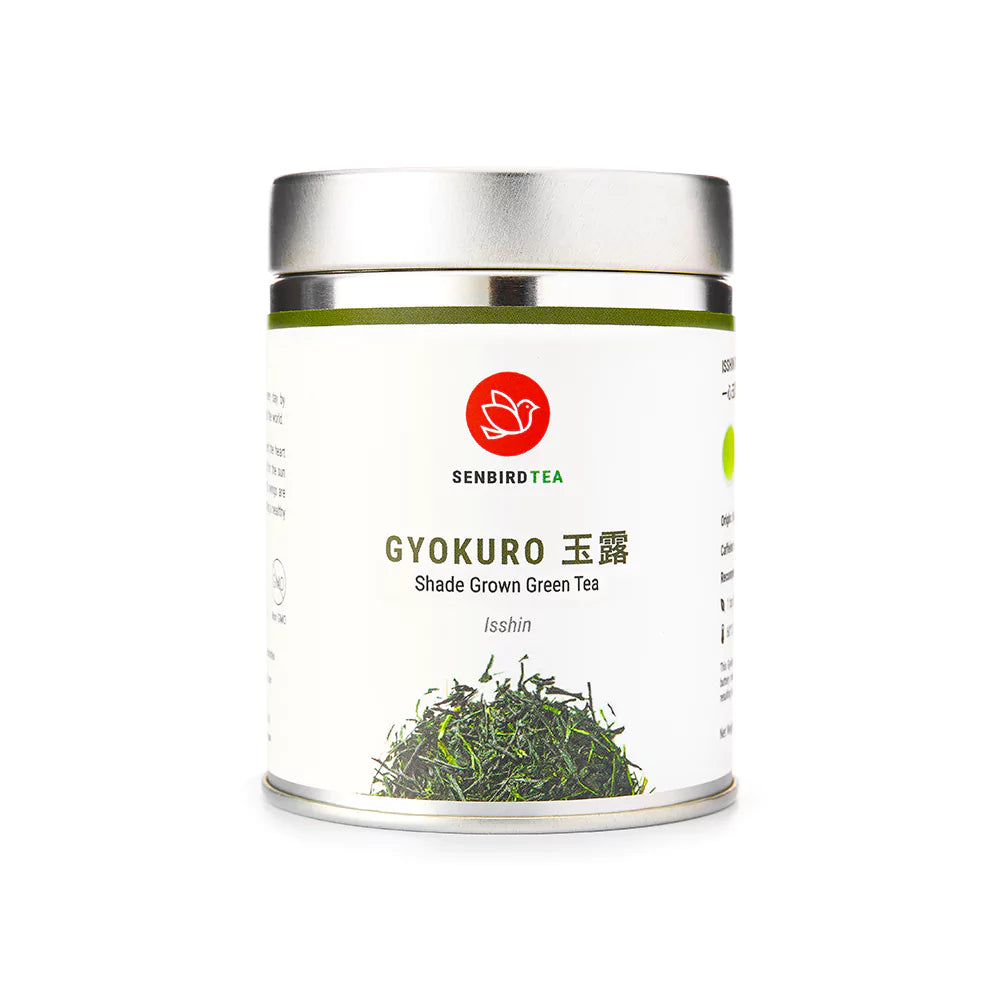
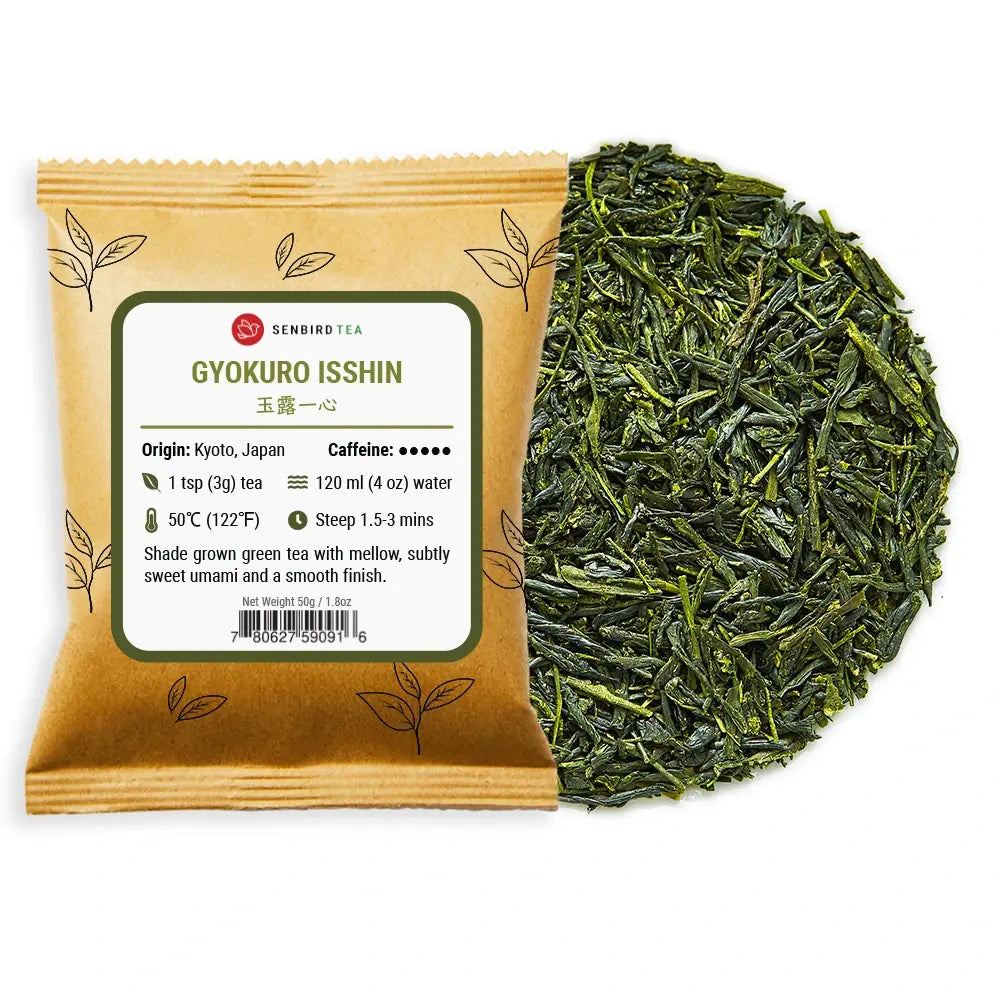
玉露一心
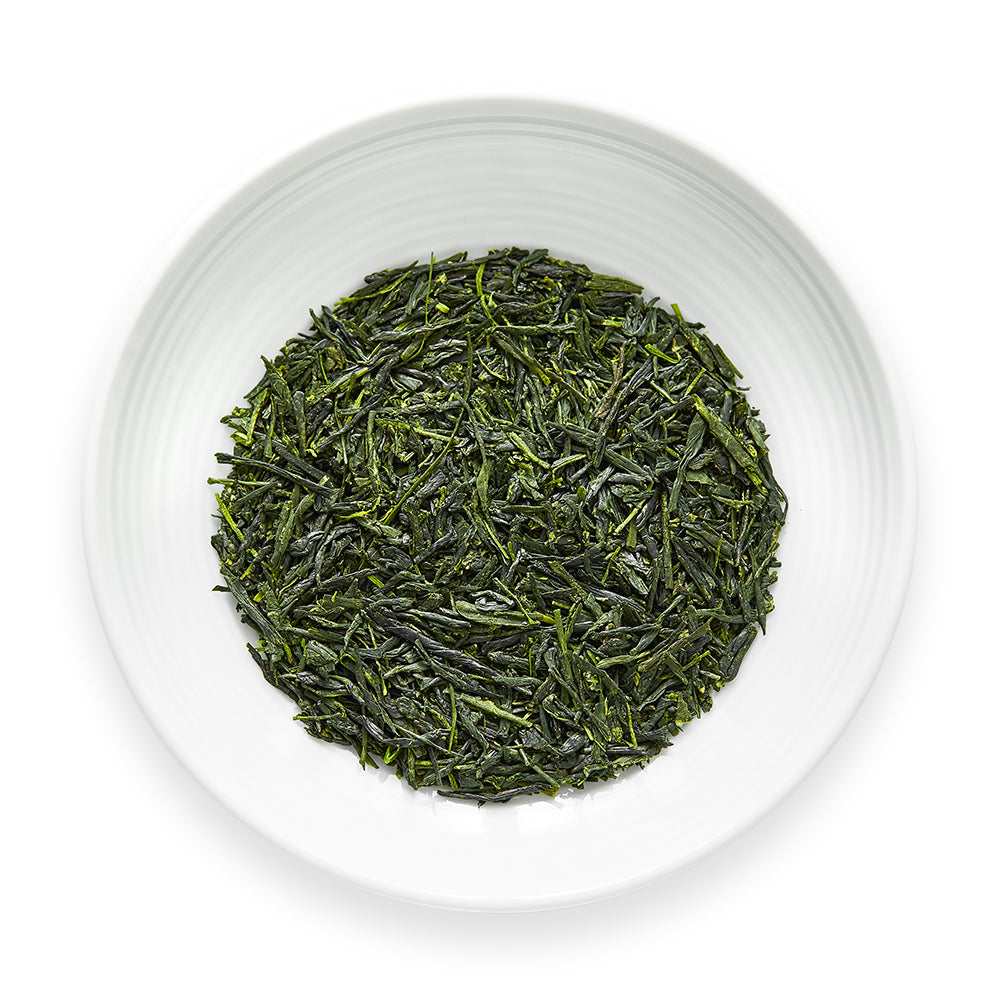
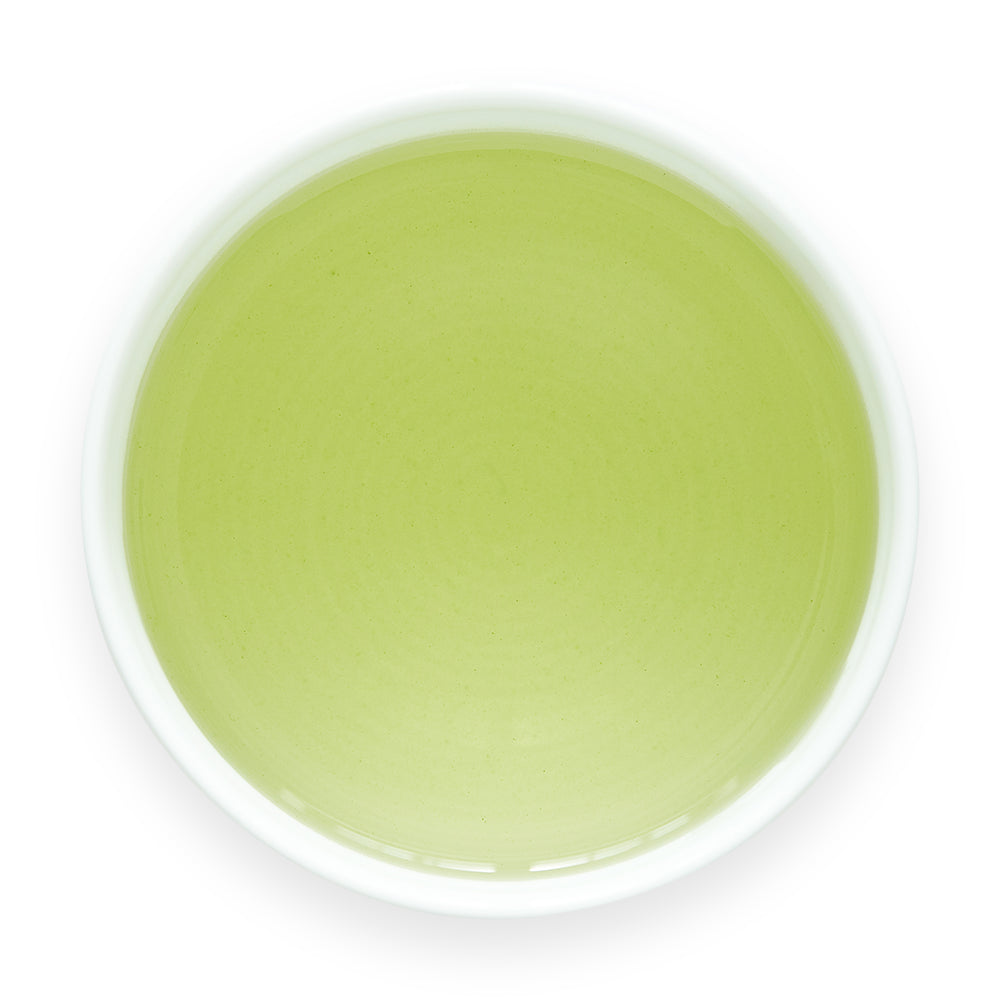
An Asatsuyu gyokuro with a sweet, mellow umami and a smooth finish perfect for grounding moments.