Japan has a rich tradition of caffeine-free herbal teas brewed from roasted seeds, grains, legumes, and roots rather than the Camellia sinensis tea plant. These four Japanese herbal teas—kuromamecha (black soybean tea), sobacha (buckwheat tea), mugicha (barley tea), and shogacha (ginger root tea)—offer distinct flavors and documented wellness traditions without caffeine, making them ideal for drinking throughout the day. Senbird Tea offers all four, sourced directly from Japan.
This article is for educational and informational purposes only and is not medical advice. Please consult a medical professional before making changes to your health regimen.

While Japanese green teas like sencha and matcha contain beneficial caffeine and L-theanine, not everyone wants or can tolerate stimulants at every sitting. Pregnant women, people with caffeine sensitivity, children, and anyone wanting an evening beverage need alternatives. Japanese herbal teas fill this gap with roasted, naturally sweet, earthy, and warming flavors. In Japan, these teas are enjoyed throughout the year: mugicha as a summer staple, kuromamecha around New Year traditions, sobacha as a toasty everyday cup, and shogacha when ginger warmth feels especially welcome.

Kuromamecha is brewed from roasted black soybeans (kuromame) and is one of the most popular herbal teas in Japan. The beans' dark skin is rich in anthocyanins—the same class of antioxidants found in blueberries and acai berries. Research published in the Journal of Agricultural and Food Chemistry has shown that black soybean anthocyanins have potent antioxidant and anti-inflammatory properties.
Key benefits of kuromamecha include anthocyanin antioxidants that support cardiovascular health, isoflavones (daidzein and genistein) linked to bone density and hormonal balance, saponin compounds that support lipid metabolism, and high protein and fiber content. The tea has a smooth, nutty, naturally sweet flavor that requires no added sweetener. After brewing, you can eat the softened beans as a nutritious snack.

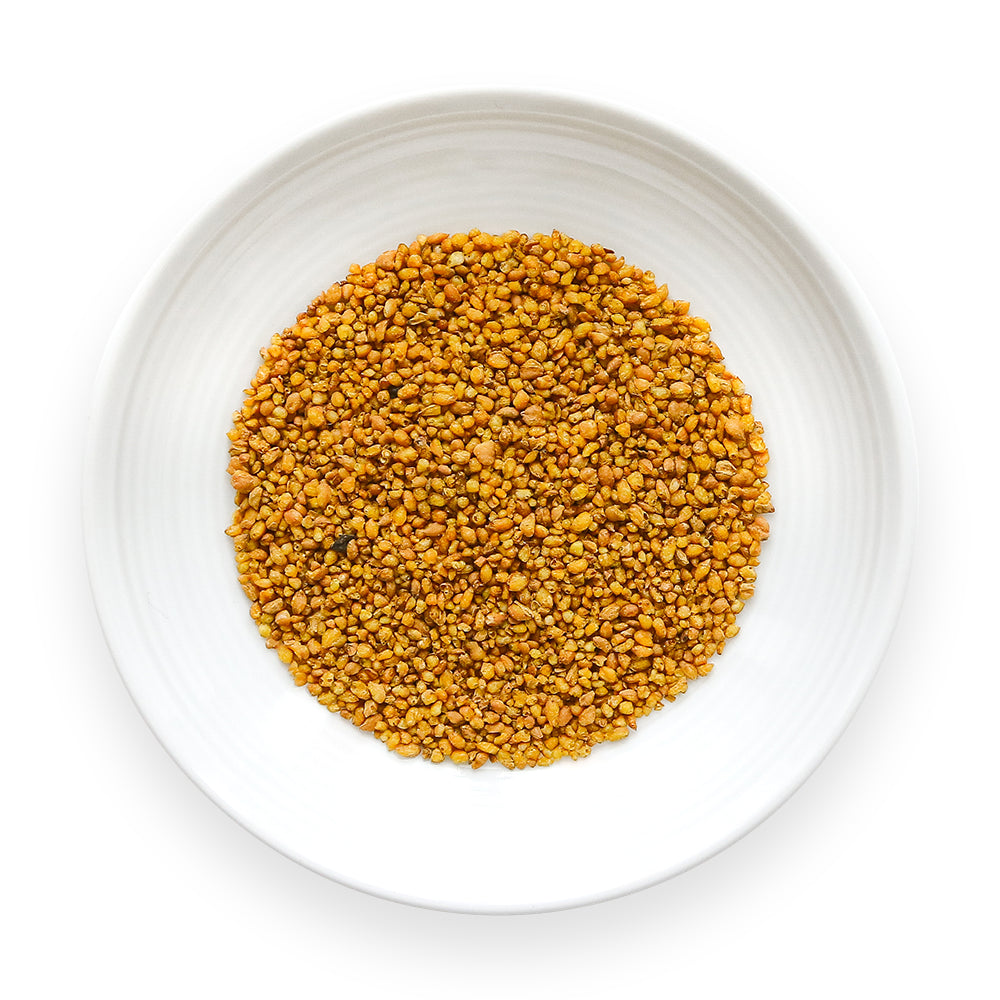
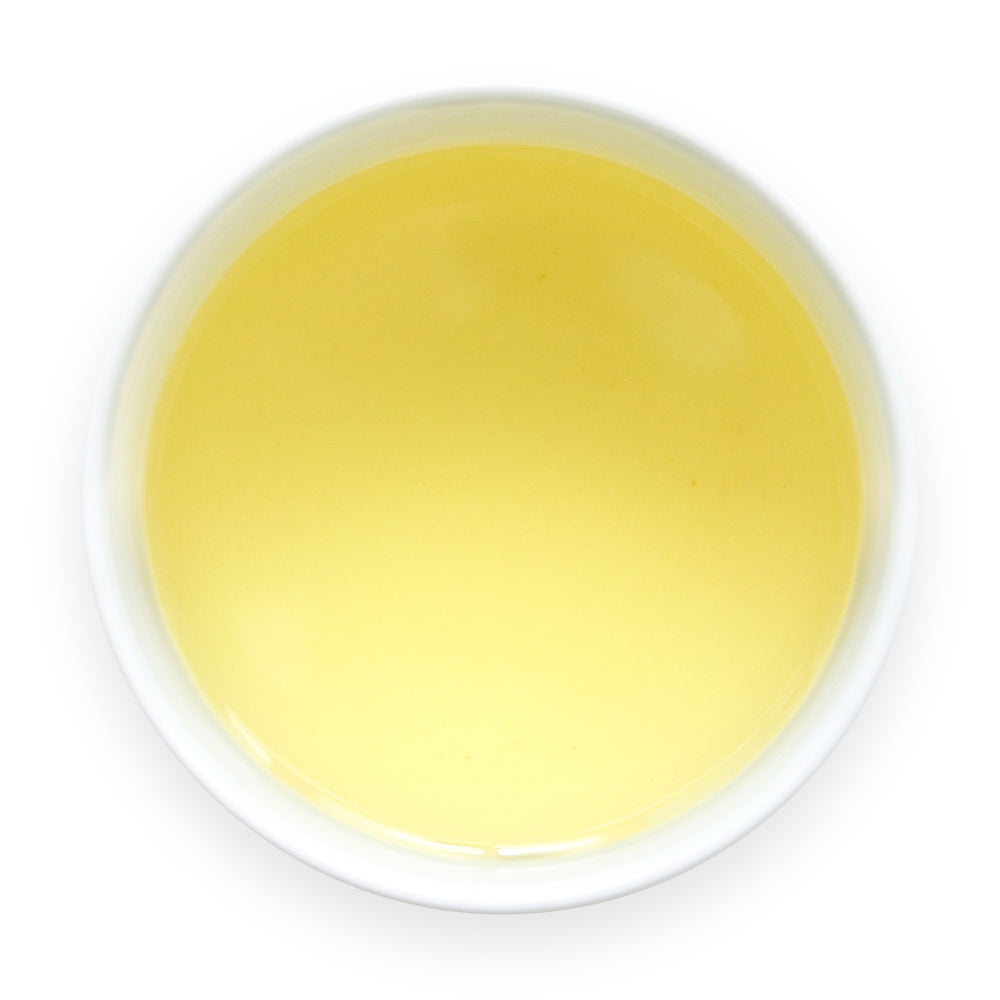
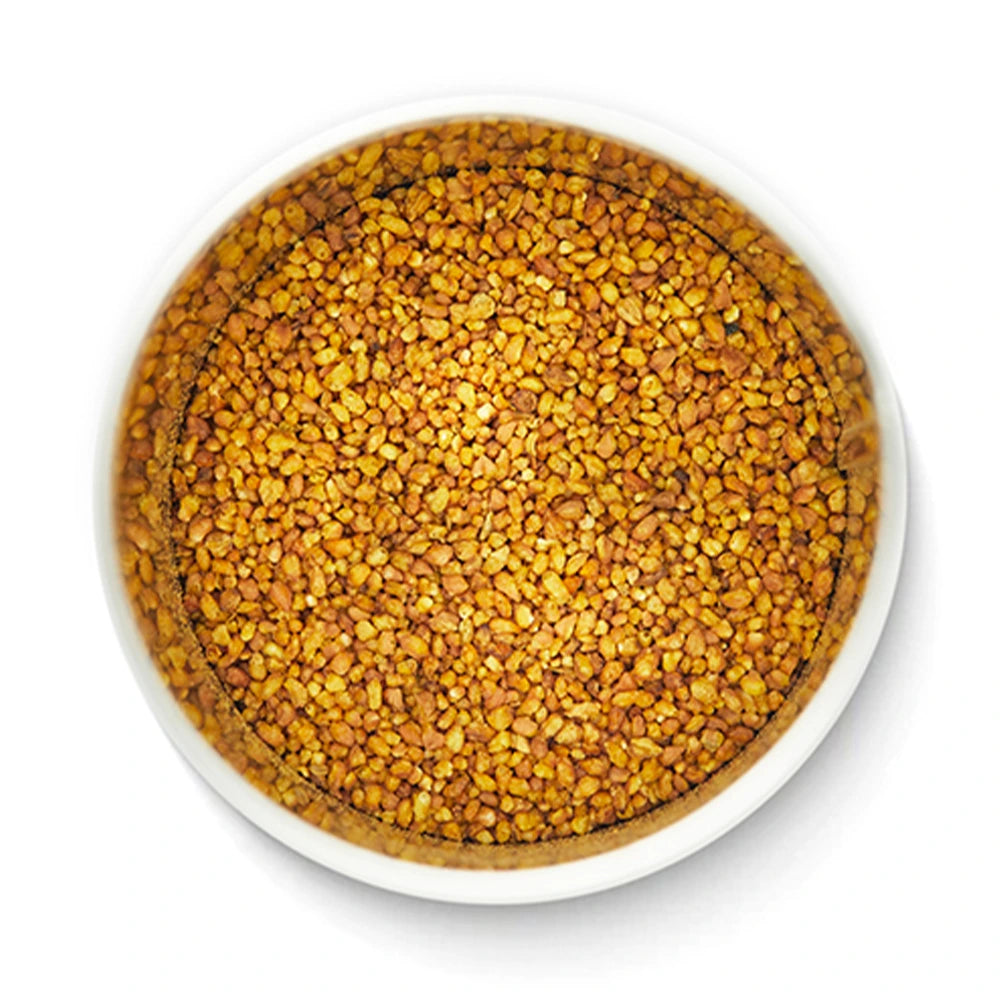
Sobacha is made from roasted buckwheat kernels (soba). Despite its name, buckwheat is actually a seed—not a grain—making it naturally gluten-free (when pure and not cross-contaminated with wheat). Sobacha has a toasty, slightly nutty flavor reminiscent of roasted sesame or graham crackers.
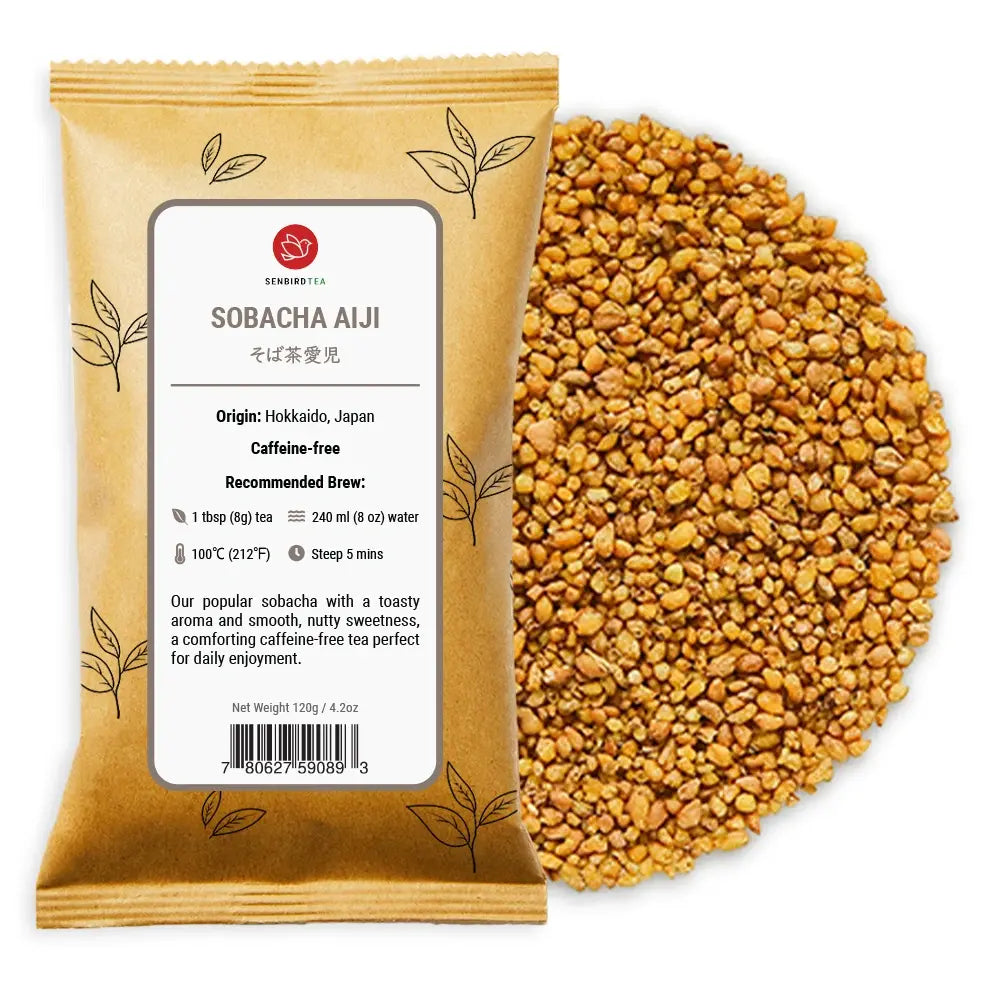
The standout nutrient in buckwheat is rutin, a bioflavonoid that research has linked to improved blood vessel integrity and cardiovascular support. A study in the European Journal of Nutrition (2015) found that regular buckwheat consumption was associated with improved blood lipid profiles. Sobacha Aiji from Senbird Tea also provides magnesium, B vitamins, and fiber. It can be enjoyed hot or cold-brewed, and the roasted kernels can be eaten after steeping or sprinkled over salads and yogurt.

Mugicha is Japan's quintessential summer beverage. Walk into any Japanese household during the warmer months and you will find a pitcher of cold-brewed mugicha in the refrigerator. Made from roasted barley, mugicha has a malty, lightly toasted flavor that is incredibly refreshing served cold and comforting served hot.
Mugicha is rich in B vitamins, selenium, and tryptophan (an amino acid precursor to serotonin). It has been a staple of Japanese hydration culture for centuries, particularly valued because it replenishes minerals lost through perspiration without adding caffeine or sugar. Unlike many Western iced teas, mugicha is traditionally served unsweetened, allowing its natural roasty sweetness to come through.

Shogacha is Japanese ginger root tea, a warm and spicy caffeine-free infusion made by steeping ginger in hot water. Unlike roasted grain teas, shogacha brings clean ginger heat, citrus-like aroma, and an amber cup that feels especially comforting in cold weather or after meals.
Senbird Tea's Shogacha Kin Japanese Ginger Tea is made from whole dried ginger root from Kochi Prefecture, Japan's leading ginger-growing region. It is a strong choice for anyone who wants a vivid herbal tea with warming character rather than a mellow roasted-grain profile.

| Feature | Kuromamecha | Sobacha | Mugicha | Shogacha |
|---|---|---|---|---|
| Base ingredient | Roasted black soybeans | Roasted buckwheat | Roasted barley | Dried ginger root |
| Caffeine | None | None | None | None |
| Gluten-free | Yes | Yes (naturally) | No (contains barley) | Yes |
| Flavor | Nutty, sweet, toasty | Toasty, earthy, light | Malty, roasty, refreshing | Spicy, warming, aromatic |
| Key nutrient | Anthocyanins | Rutin | B vitamins, selenium | Gingerol and shogaol |
| Best served | Hot or cold | Hot or cold | Cold (summer staple) | Hot, especially after meals or in cold weather |
| Edible after brew | Yes (eat beans) | Yes (eat kernels) | No | No |
Yes. Kuromamecha, sobacha, mugicha, and shogacha are all made from seeds, legumes, grains, or roots—not from the Camellia sinensis tea plant that contains caffeine. They contain zero caffeine and are safe for children, pregnant women (consult your doctor), and anyone with caffeine sensitivity.
If you enjoy nutty, sweet flavors, start with kuromamecha from Senbird Tea. If you prefer something lighter and more refreshing, mugicha is an excellent entry point, especially cold-brewed in summer. Sobacha falls in between with its toasty, earthy character and is particularly popular with people who enjoy roasted flavors. If you want a spicy, warming cup, explore the Shogacha ginger tea collection.
Kuromamecha, sobacha, and mugicha cold-brew beautifully. Place the recommended amount in a pitcher of room-temperature water and refrigerate for 4–12 hours. Cold brewing produces a smoother, naturally sweeter flavor compared to hot brewing. Shogacha is usually best brewed hot so the ginger root can release its aroma, amber color, and warming finish.
Yes. Because they contain no caffeine, Japanese herbal teas are commonly served to children in Japan. Mugicha is the most common choice for kids due to its mild, slightly sweet flavor. Ginger can taste stronger than grain teas, so serve shogacha lightly brewed and cooled if sharing with children. Always let the tea cool to an appropriate temperature before serving to young children.
Yes to both. Steeped kuromame (black soybeans) soften and retain their protein and fiber—they make an excellent snack or can be added to rice dishes. Roasted buckwheat kernels can be eaten directly, sprinkled over salads, or mixed into yogurt for added crunch and nutrition. This zero-waste practice is traditional in Japan.
そば茶愛児
Our popular sobacha with a toasty aroma and smooth, nutty sweetness, a comforting caffeine-free tea perfect for daily enjoyment.