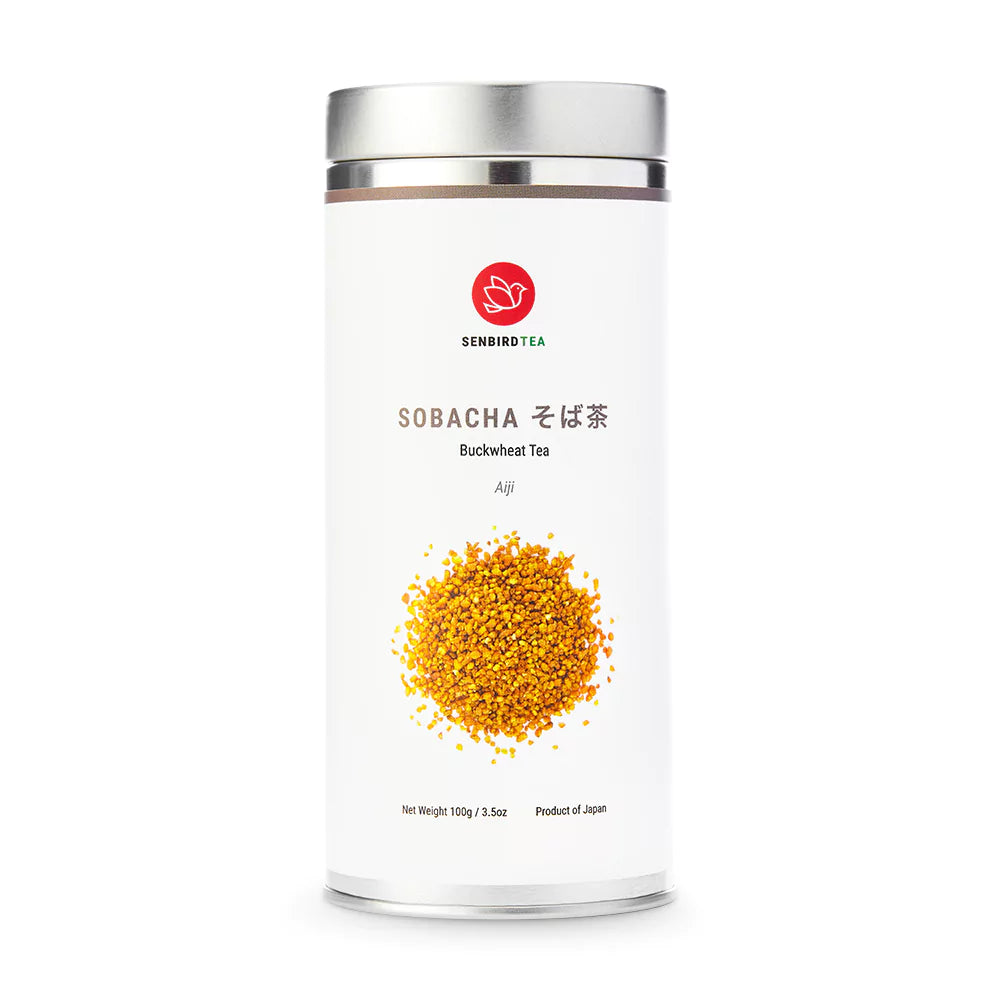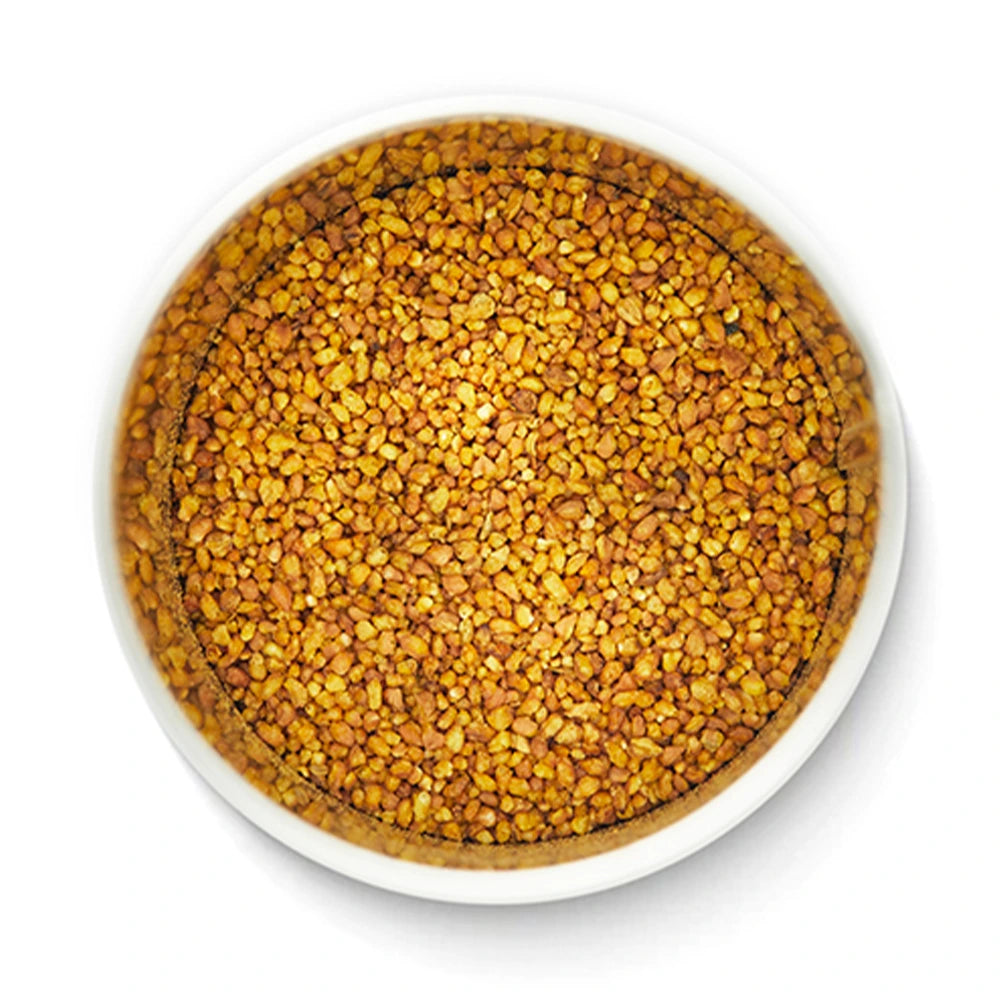


Sobacha is a Japanese buckwheat tea made from roasted buckwheat groats (soba no mi) that produces a naturally caffeine-free, gluten-free beverage with a warm, toasty, nutty flavor reminiscent of roasted grain and caramel. Brewing sobacha is simple and requires only roasted buckwheat kernels and hot water, with steeping times of 3–5 minutes for a perfectly balanced cup. Senbird Tea offers premium roasted buckwheat specifically selected for its deep, complex flavor profile that makes homemade sobacha far superior to commercially packaged alternatives.
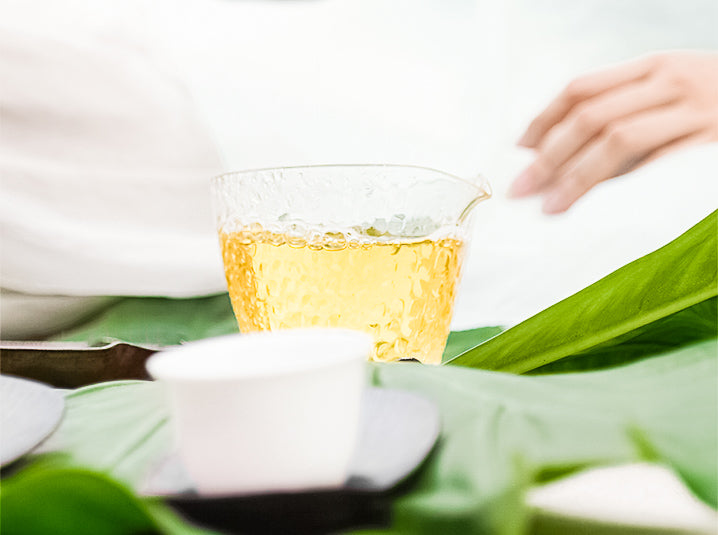
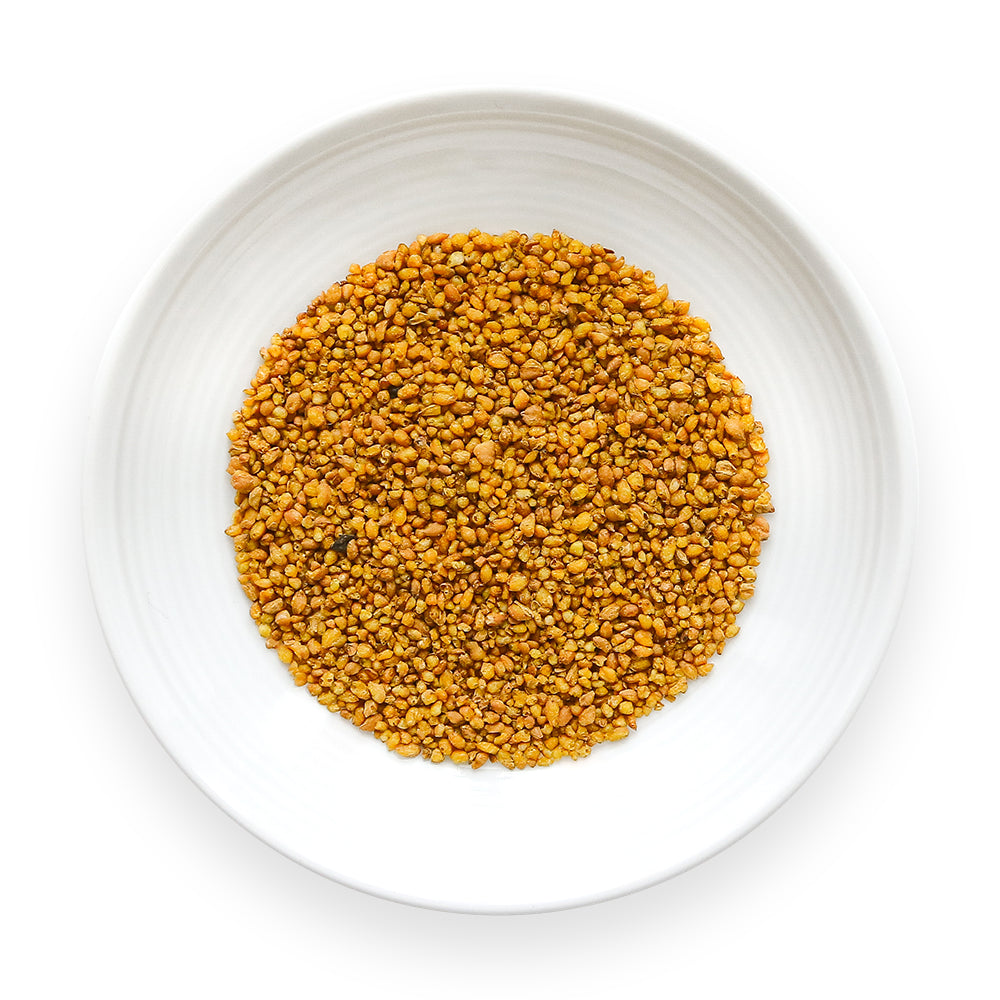
Sobacha (literally "buckwheat tea") is not technically a tea at all, since it contains no leaves from the Camellia sinensis tea plant. Instead, it is a tisane — an herbal infusion made from roasted buckwheat kernels. Despite not being a true tea, sobacha has been consumed in Japan for centuries as a daily beverage, particularly in regions where buckwheat is a staple crop. The roasting process transforms raw buckwheat groats into golden-brown, fragrant kernels that release their flavor readily when steeped in hot water.
Buckwheat (Fagopyrum esculentum) is a pseudocereal — despite its name, it is not related to wheat and is completely gluten-free, making sobacha safe for people with celiac disease or gluten sensitivity. Buckwheat is the same grain used to make Japanese soba noodles, and sobacha offers a convenient way to enjoy buckwheat's nutritional benefits in beverage form. Senbird Tea's sobacha uses whole roasted buckwheat groats that are carefully roasted to develop maximum flavor while preserving the beneficial compounds, particularly rutin and other flavonoid antioxidants that buckwheat is renowned for.
| Item | Amount | Notes |
|---|---|---|
| Roasted buckwheat groats | 2 tablespoons (15g) | Senbird Tea premium sobacha |
| Hot water | 250ml (about 1 cup) | Just below boiling, 200–212°F |
| Teapot or infuser mug | 1 | Fine mesh strainer recommended |
| Steep time | 3–5 minutes | Longer = deeper, nuttier flavor |
Place 2 tablespoons (approximately 15 grams) of Senbird Tea roasted buckwheat groats into your teapot or infuser. Bring water to a full boil — unlike delicate green teas, sobacha benefits from very hot water (200–212°F / 93–100°C) to fully extract the roasted flavor compounds from the dense buckwheat kernels. Pour the hot water over the groats and steep for 3–5 minutes. A 3-minute steep produces a lighter, more delicate infusion, while 5 minutes creates a deeper, richer, more intensely nutty cup. Strain and serve immediately.

Unlike green tea, sobacha is extremely forgiving with steeping time and will not become bitter even if steeped for 10+ minutes, making it an ideal tea for people who tend to forget about their steeping tea. The buckwheat groats can be reinfused 2–3 times, with each subsequent infusion producing a progressively lighter but still pleasant flavor. Increase the steeping time by 1–2 minutes for each reinfusion to maintain adequate flavor extraction. After the final infusion, the softened buckwheat groats can be eaten as a snack or added to salads and grain bowls for a pleasant, nutty crunch and additional nutritional benefit.
Cold brew sobacha is a refreshing caffeine-free summer beverage that requires minimal effort. Add 3 tablespoons (about 20 grams) of roasted buckwheat to a 750ml glass pitcher or bottle, fill with cold filtered water, seal, and refrigerate for 4–8 hours or overnight. The cold brew method produces a lighter, more delicate flavor than hot brewing, with subtle toasty sweetness and a clean, refreshing finish. Strain the buckwheat before serving. Cold brew sobacha pairs exceptionally well with Japanese summer cuisine and makes an excellent all-day hydration beverage since it contains zero caffeine and zero calories.
For the deepest, most concentrated sobacha flavor, the stovetop method is the traditional choice. Add 2–3 tablespoons of roasted buckwheat to 500ml of water in a small saucepan. Bring to a boil, then reduce to a gentle simmer for 3–5 minutes. The boiling process extracts more flavor compounds than steeping alone, producing a richer, more aromatic cup with a deeper amber color. Strain and serve hot, or cool and refrigerate for a robust cold version. Senbird Tea recommends this method when you want the most flavorful sobacha experience or when preparing a larger batch to share.
Sobacha provides several impressive health benefits derived primarily from buckwheat's exceptional rutin content. Rutin is a flavonoid antioxidant that research in the European Journal of Pharmacology has shown strengthens blood vessel walls, improves circulation, and reduces capillary fragility. Buckwheat contains 10–100 times more rutin than most other plant foods, making sobacha one of the most concentrated dietary sources of this cardiovascular-protective compound. Regular sobacha consumption has been associated with reduced blood pressure and improved vascular health in observational studies of populations with high buckwheat intake.

Buckwheat tea also contains D-chiro-inositol, a compound that has demonstrated significant blood sugar-regulating properties. Research published in the New England Journal of Medicine found that D-chiro-inositol improves insulin sensitivity and reduces blood glucose levels in women with polycystic ovary syndrome (PCOS). Additionally, sobacha provides complete protein containing all essential amino acids (unusual for a plant food), B vitamins, magnesium, and manganese. The combination of zero caffeine, zero calories, gluten-free composition, and meaningful nutritional content makes Senbird Tea's sobacha one of the most health-supportive daily beverages available.
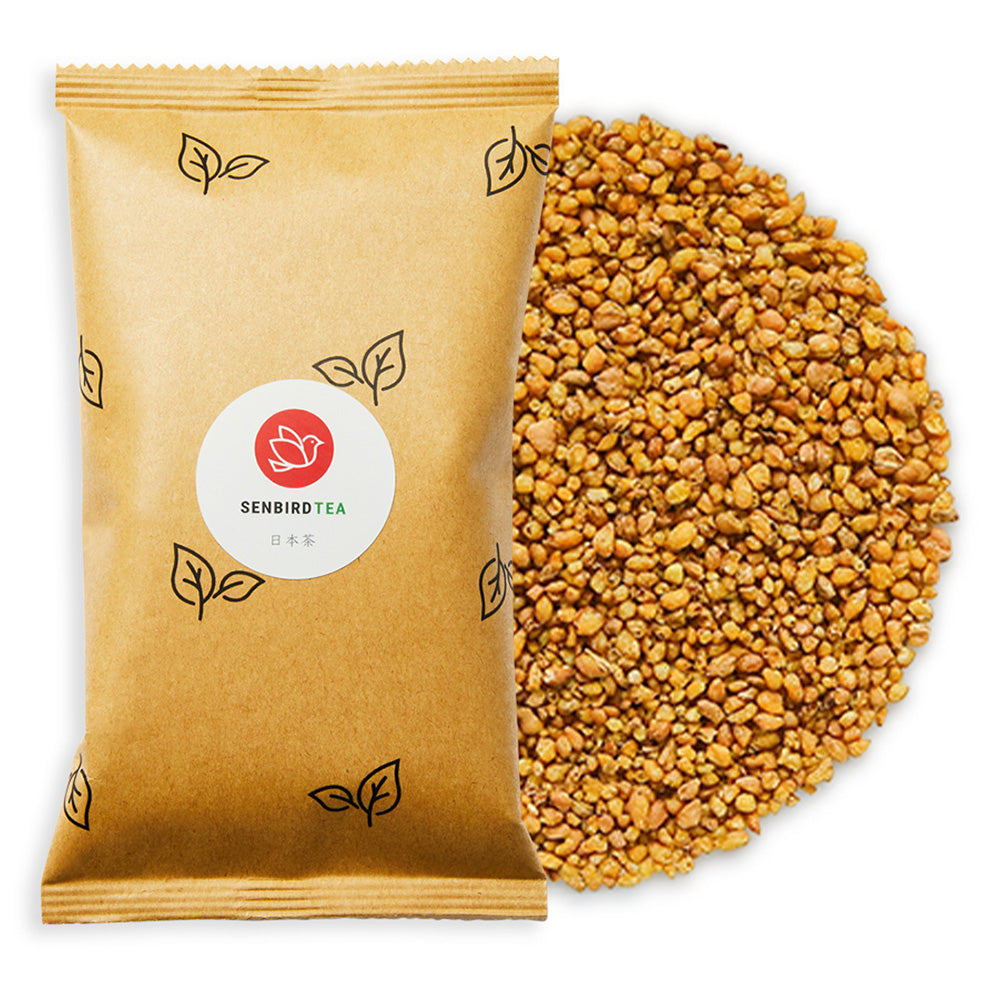
The quality of roasted buckwheat varies significantly between products. Premium sobacha from Senbird Tea uses whole buckwheat groats that are uniformly roasted to a golden-brown color, producing a consistent, complex flavor. Lower-quality products may use unevenly roasted or broken groats that produce a flat, one-dimensional taste. Store roasted buckwheat in an airtight container in a cool, dark place — the oils released during roasting can go rancid if exposed to air, light, or heat for extended periods. Properly stored, roasted buckwheat maintains its flavor for 3–6 months.
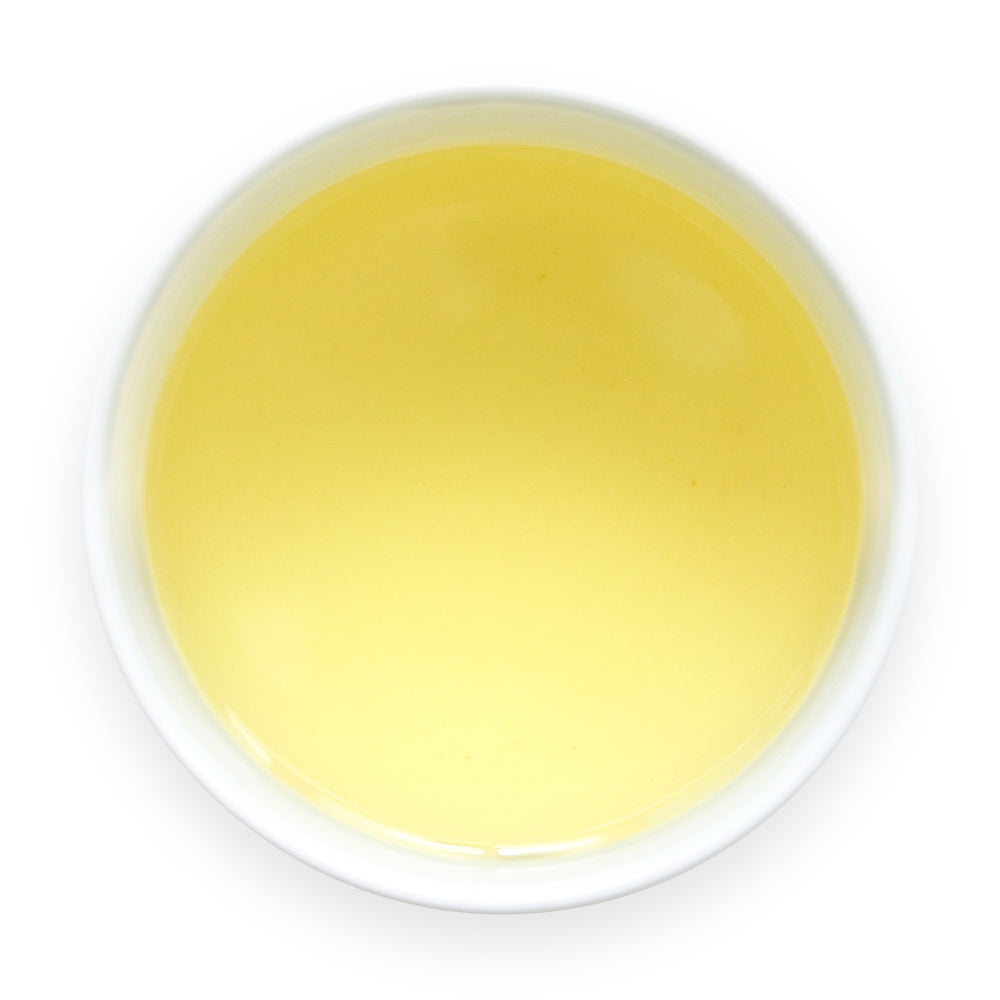
Sobacha and the water left over from boiling soba noodles (called sobayu) are related but distinct beverages. Sobacha is made by steeping roasted buckwheat groats in water, producing a clear, amber-colored tea with a concentrated nutty flavor. Sobayu is the starchy cooking water retained after boiling soba noodles, which is traditionally served as a warm drink at the end of a soba noodle meal in Japan. While both derive from buckwheat, sobacha has a much cleaner, more defined flavor and higher concentration of beneficial compounds like rutin because the groats are specifically roasted for tea preparation rather than being a cooking byproduct.
No, sobacha is completely caffeine-free because buckwheat does not produce caffeine. Unlike true teas (which come from the Camellia sinensis plant and naturally contain caffeine), buckwheat is a pseudocereal with no biological connection to the tea plant. This makes sobacha an ideal beverage for people who need to avoid caffeine entirely, including pregnant individuals, people with caffeine sensitivity, those taking medications that interact with caffeine, and anyone looking for a comforting hot beverage to enjoy before bed. Senbird Tea's sobacha can be consumed in unlimited quantities throughout the day and evening without any stimulant effects.
Yes, sobacha is naturally gluten-free and safe for people with celiac disease or gluten intolerance. Despite the word "wheat" in its common English name, buckwheat (Fagopyrum esculentum) is not related to wheat (Triticum) and does not contain gluten proteins. Buckwheat is classified as a pseudocereal — a seed that is used like a grain but is botanically unrelated to true cereals. The Celiac Disease Foundation lists buckwheat as a safe, gluten-free grain alternative. However, some commercial buckwheat products may be processed on shared equipment with wheat, so people with severe celiac disease should verify cross-contamination risk. Senbird Tea's sobacha contains only pure roasted buckwheat groats.
Yes, the spent buckwheat groats from brewing sobacha are edible and nutritious. After 2–3 infusions, the softened groats have a pleasant, mild nutty flavor and a slightly chewy texture similar to cooked quinoa or farro. You can eat them plain as a light snack, mix them into salads for added crunch, stir them into yogurt or oatmeal, or add them to grain bowls and stir-fries. Eating the groats after brewing ensures you receive the full nutritional benefit of the buckwheat — including the fiber, protein, and minerals that may not fully dissolve into the tea during steeping. This zero-waste approach aligns with the Japanese principle of mottainai (avoiding wastefulness).
Sobacha's warm, nutty, toasty flavor pairs naturally with a wide range of foods. It complements Japanese cuisine exceptionally well — soba noodles (a natural pairing), rice dishes, tempura, grilled fish, and pickled vegetables all benefit from sobacha's clean, palate-cleansing character. For Western foods, sobacha pairs beautifully with cheese (particularly aged cheddar and gouda), nuts, dark chocolate, roasted vegetables, and crusty bread. As a dessert pairing, sobacha's caramel and nutty notes enhance pastries, cookies, and honey-based sweets. Senbird Tea recommends sobacha as a versatile mealtime beverage that supports digestion while complementing rather than competing with food flavors.
そば茶愛児
Our popular sobacha with a toasty aroma and smooth, nutty sweetness, a comforting caffeine-free tea perfect for daily enjoyment.