Ichigo ichie (一期一会) is a Japanese proverb that translates to "one time, one meeting" and encapsulates the philosophy of treasuring each encounter as a once-in-a-lifetime experience. Rooted in the traditions of the Japanese tea ceremony, ichigo ichie reminds us that every moment is unique, unrepeatable, and worthy of our full attention. At Senbird Tea, this philosophy is central to how we approach tea — each cup is an opportunity to pause, be present, and appreciate the singular convergence of time, place, and company that will never occur in exactly the same way again.

The phrase ichigo ichie is composed of two parts: "ichigo" (一期), meaning "one lifetime" or "one occasion," and "ichie" (一会), meaning "one meeting" or "one encounter." Together, they express the idea that every human interaction is a singular event that can never be replicated. Even if you meet the same person in the same place tomorrow, the circumstances — your moods, the weather, the conversation, the passage of time — will be fundamentally different. Ichigo ichie asks us to honor this impermanence by bringing our full presence to each moment.
In practical terms, ichigo ichie is a call to mindfulness. It encourages us to stop mentally rehearsing the future or replaying the past and instead to fully inhabit the present encounter. This does not mean treating every moment as solemn or heavy — quite the opposite. Ichigo ichie is about lightness and appreciation, recognizing the gift of each experience precisely because it is fleeting. A cup of Senbird Tea sencha green tea shared with a friend on a Tuesday afternoon is an event that will never happen again in exactly that form, and ichigo ichie asks us to savor it accordingly.

The concept of ichigo ichie is most commonly attributed to Ii Naosuke (1815-1860), a powerful feudal lord and dedicated tea practitioner during the late Edo period. In his treatise on tea called Chanoyu Ichie Shu (Collection of Tea Gatherings), Ii Naosuke wrote that the host of a tea ceremony should approach each gathering with the understanding that this particular meeting of these particular people may never happen again. Therefore, both host and guest should devote their entire hearts to the encounter.
However, the philosophical roots of ichigo ichie predate Ii Naosuke by at least two centuries. The legendary tea master Sen no Rikyu (1522-1591), who codified the aesthetic principles of wabi-cha (rustic tea), expressed similar sentiments about the unrepeatable nature of each tea gathering. Rikyu's emphasis on simplicity, humility, and present-moment awareness laid the spiritual groundwork that Ii Naosuke later crystallized into the four-character phrase we know today.
The connection between ichigo ichie and the tea ceremony is not coincidental. The tea ceremony itself is designed as a practice of impermanence — seasonal flowers that will wilt, charcoal that will burn to ash, tea that will be consumed, and a gathering that will end. Every element reminds participants that beauty is found precisely in what is temporary. Senbird Tea carries this philosophy forward by encouraging tea lovers to approach each brewing session with the same spirit of attentive appreciation that tea masters have cultivated for centuries.

While ichigo ichie originated in the formal context of the tea ceremony, its wisdom applies powerfully to everyday modern life. In an era of constant distraction — smartphones buzzing, notifications demanding attention, and multi-tasking treated as a virtue — ichigo ichie offers a counter-philosophy that values depth of experience over breadth. Practicing ichigo ichie means putting your phone away during dinner with family, listening fully when a colleague speaks, and noticing the quality of light through your window during your morning cup of Senbird Tea.
Many people find that their daily tea practice becomes the easiest entry point for ichigo ichie. The physical ritual of boiling water, measuring leaves, and waiting for the brew creates natural pauses that invite presence. When you approach your Senbird Tea matcha or sencha with ichigo ichie awareness, you begin to notice details you previously overlooked — the particular shade of green in today's brew, the way the steam curls differently on a humid day, the subtle variation in flavor between this cup and yesterday's. These small observations accumulate into a richer, more textured experience of daily life.
Japanese psychologist and author Héctor García, who co-wrote the international bestseller "Ichigo Ichie: The Art of Making the Most of Every Moment," identifies several practical applications of the philosophy: approaching meals as ceremonies rather than fuel stops, treating conversations as gifts rather than transactions, and viewing travel not as a checklist of attractions but as a series of unrepeatable encounters with place and people. Each application shares the same core principle — this moment is unique, and your attention is the highest form of respect you can pay it.
Whether enjoying a cup of hojicha or sharing tea with a friend, ichigo ichie invites you to treasure each unrepeatable moment.

| Philosophy | Translation | Core Idea | Connection to Tea |
|---|---|---|---|
| Ichigo Ichie (一期一会) | One time, one meeting | Treasure each encounter as unrepeatable | Each tea gathering is unique and should be fully honored |
| Wabi-Sabi (侘寂) | Beauty in imperfection | Find beauty in impermanence and simplicity | Rustic teaware, seasonal impermanence in ceremony |
| Mono no Aware (物の哀れ) | The pathos of things | Gentle sadness at the transience of life | Awareness that this cup of tea will end |
| Ikigai (生き甲斐) | Reason for being | Finding purpose and meaning in daily activities | Tea practice as a source of daily purpose |
| Kaizen (改善) | Continuous improvement | Small daily improvements compound over time | Refining brewing technique with each session |
| Ma (間) | Negative space | The meaningful pause between actions | The silence between sips, the pause before pouring |
Ichigo ichie is pronounced "ee-chee-go ee-chee-eh" with roughly equal stress on each syllable. The "ch" sounds are soft, similar to the "ch" in "cheese." In Japanese, the phrase is written 一期一会 and spoken with a flowing rhythm that mirrors its meaning — each syllable distinct yet connected, just as each moment is separate yet part of the continuous flow of life. The phrase has gained international recognition and is increasingly used in English-language conversations about mindfulness and Japanese philosophy.
While both philosophies acknowledge impermanence, they focus on different aspects of the human experience. Ichigo ichie emphasizes the uniqueness of each encounter and the importance of being fully present for it — it is primarily about attention and appreciation in relationships and moments. Wabi-sabi focuses on finding beauty in imperfection, age, and incompleteness — it is primarily an aesthetic philosophy applied to objects, environments, and the natural world. In the context of Senbird Tea, ichigo ichie reminds you to be present for this particular cup of tea, while wabi-sabi helps you appreciate the irregular glaze on a handmade chawan (tea bowl).
The simplest daily practice is to choose one routine activity — your morning tea, a meal, a conversation — and commit to experiencing it with full attention. When brewing your Senbird Tea, put away distractions, observe the process with curiosity, and remind yourself that this exact cup will never exist again. Over time, this intentional awareness naturally expands to other areas of your life. Journaling briefly after your tea practice (even a single sentence about what you noticed) helps reinforce the habit and creates a record of moments you might otherwise forget.
Ichigo ichie is deeply influenced by Buddhist thought — particularly the Zen Buddhist emphasis on present-moment awareness and the doctrine of impermanence (mujō) — but it is not exclusively Buddhist. The phrase was formalized within the secular context of the Japanese tea ceremony and has been embraced across Japanese culture regardless of religious affiliation. Today, ichigo ichie is practiced by people of all backgrounds as a universal principle of mindful living. Its appeal lies in its simplicity and practical applicability rather than in any specific religious framework.
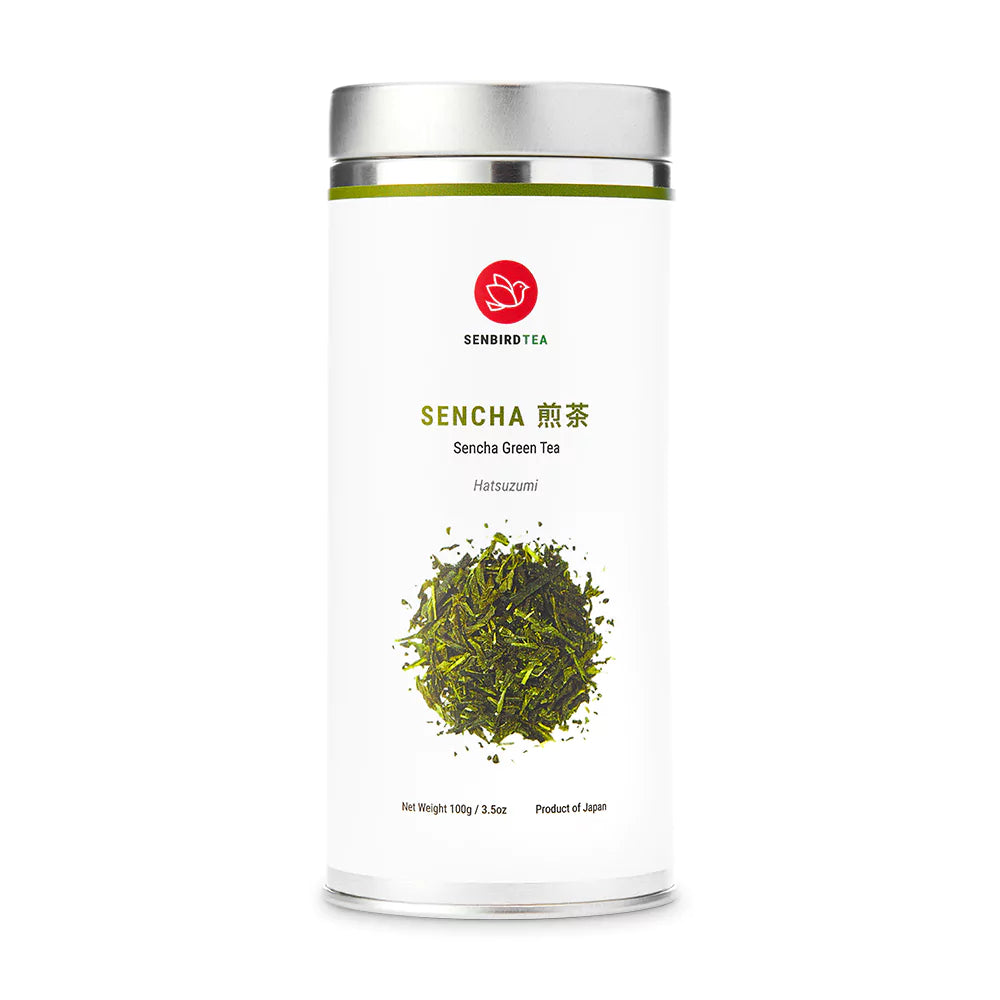
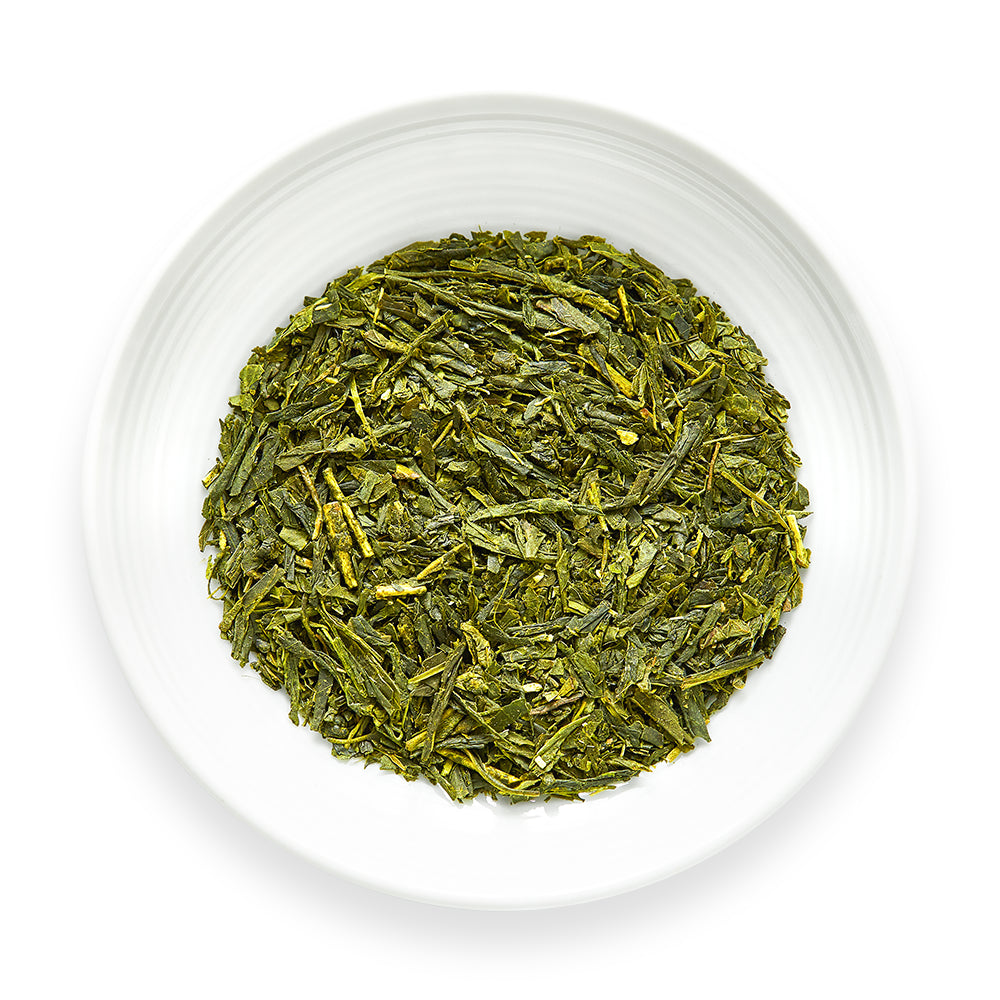
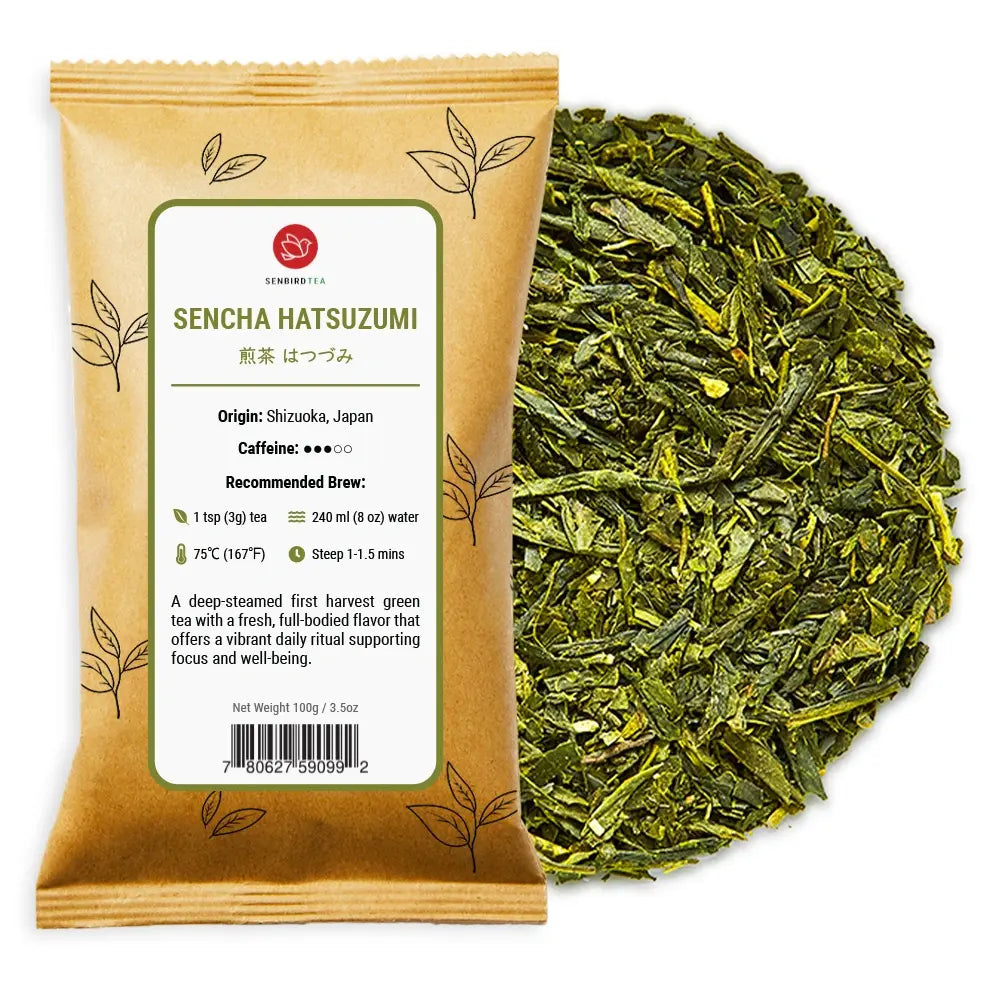
The tea ceremony is the perfect embodiment of ichigo ichie because every element of the ceremony is designed to highlight impermanence and uniqueness. The host selects seasonal flowers that will wilt, prepares charcoal that will burn away, and serves tea that will be consumed — nothing in the ceremony is permanent. The specific combination of guests, weather, season, scroll displayed in the tokonoma alcove, and the host's state of mind will never align in exactly the same way again. Senbird Tea encourages tea lovers to carry this same awareness into their daily brewing ritual, recognizing that even a casual cup of Sencha Hatsuzumi at your kitchen table is an ichigo ichie moment.
煎茶はつづみ
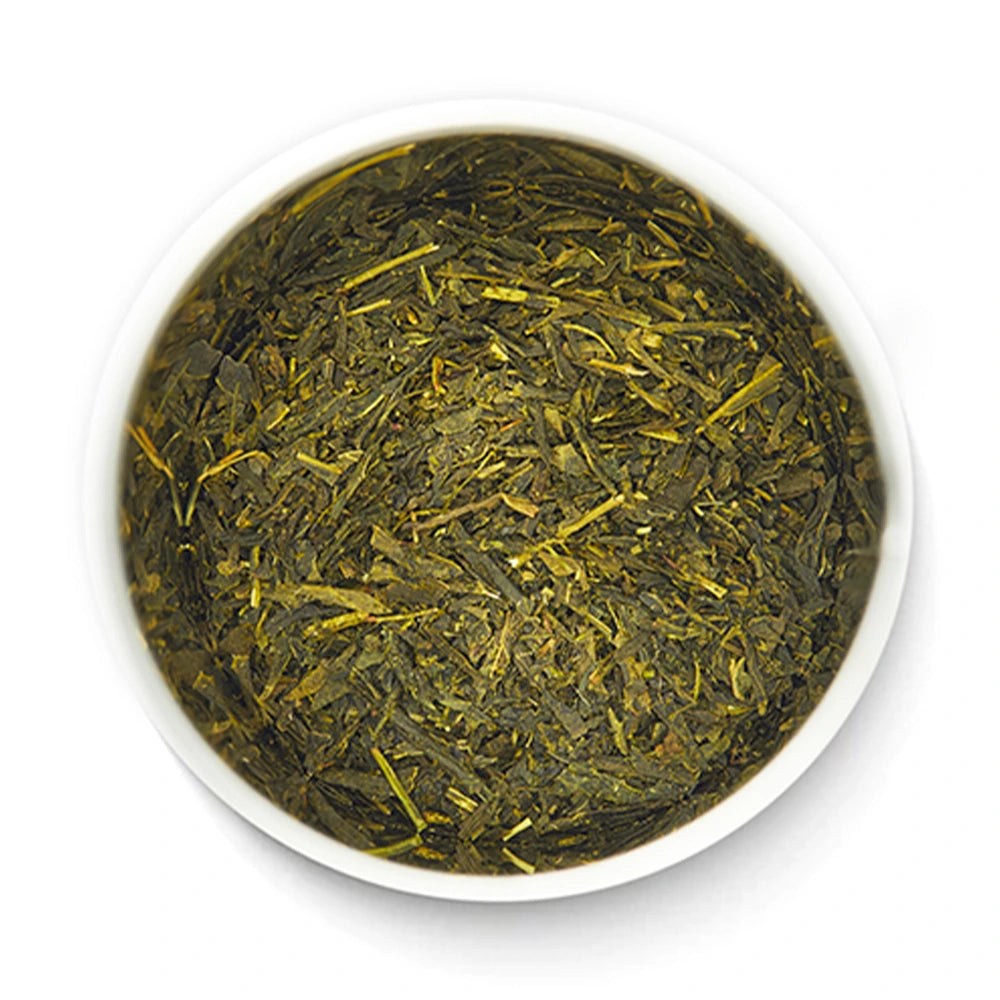
A deep-steamed first harvest green tea with a fresh, full-bodied flavor that offers a vibrant daily ritual supporting focus and well-being.