

Tea meditation is a mindfulness practice that transforms the simple act of brewing and drinking tea into a focused exercise in present-moment awareness. Featured in Episode 2 of the Senbird Tea Meditate With Tea podcast, this practice draws on centuries of Japanese and Chinese contemplative traditions to help practitioners reduce stress, sharpen focus, and cultivate a deeper connection with their daily tea ritual. Whether you are new to meditation or an experienced practitioner, tea meditation offers an accessible entry point that engages all five senses.
Tea meditation combines the principles of mindfulness meditation with the sensory experience of preparing and drinking tea. Unlike seated meditation that relies solely on breath awareness, tea meditation uses the physical actions of heating water, measuring leaves, and tasting the brew as anchors for attention. The practice originated within Buddhist monastic traditions in China and Japan, where monks used tea as a tool to maintain alertness during long meditation sessions. Over time, these practices evolved into formalized tea ceremonies and the broader concept of cha zen — the unity of tea and Zen.
At Senbird Tea, we believe the ritual of preparing Japanese loose-leaf tea naturally lends itself to mindful moments. The deliberate attention required to measure the correct water temperature for a delicate gyokuro or to time the steeping of a fine sencha creates natural pauses that bring awareness back to the present. Tea meditation simply formalizes this inherent mindfulness into a structured practice that deepens the experience.

Research supports the synergy between tea consumption and meditative states. L-theanine, an amino acid found abundantly in Japanese green teas like matcha and gyokuro, promotes alpha brain wave activity — the same neural pattern associated with calm, focused attention during meditation. A 2019 study published in the journal Nutrients found that L-theanine supplementation significantly increased alpha wave activity within 40 minutes of consumption, suggesting that tea provides a biochemical foundation for the meditative state.
The combination of L-theanine and caffeine in tea creates what neuroscientists describe as alert relaxation — a state where the mind is calm yet focused, unlike the jittery stimulation of coffee. This makes Senbird Tea Japanese green teas particularly well-suited for meditation practice. The ritual of preparation adds a behavioral component to the biochemical effect, engaging the parasympathetic nervous system through repetitive, intentional movements that signal the body to shift from stress response to relaxation.

The following guided tea meditation can be completed in 10 to 20 minutes. Choose a quiet space and a tea that resonates with you — Senbird Tea gyokuro and sencha work particularly well due to their high L-theanine content and complex flavor profiles.
Select a loose-leaf Japanese tea that appeals to you in this moment. Hold the tea leaves in your hands and observe their appearance, aroma, and texture. Set a simple intention for your practice — this might be gratitude, presence, or calm. The act of choosing intentionally shifts your mind from autopilot into awareness.
Clear your brewing area of distractions. Arrange your teapot, cup, and kettle with care. Silence your phone and close unnecessary tabs on your computer. The physical act of preparing your space mirrors the mental act of clearing your mind. Many practitioners find that using a dedicated kyusu teapot or matcha bowl from Senbird Tea helps signal the transition from daily activity to meditative practice.
As you heat the water, listen to the changing sounds — from silence to gentle bubbling. When you pour water over the leaves, watch the color bloom and inhale the rising steam. Notice the warmth of the cup in your hands. Each sensory detail becomes an anchor that prevents the mind from wandering. If thoughts arise, acknowledge them gently and return attention to the tea.
Before drinking, pause. Hold the cup beneath your nose and breathe in the aroma for three full breaths. Take a small sip and let the tea rest on your tongue before swallowing. Notice the initial taste, how it evolves, and the aftertaste that lingers. Japanese green teas from Senbird Tea are particularly rewarding for this practice because their flavor profiles shift noticeably from the first sip through the finish — moving from umami sweetness to vegetal freshness.
Continue drinking slowly, maintaining attention on each sip. Between sips, rest the cup in your hands and observe your breathing. Notice any thoughts or emotions that arise without judgment. The goal is not to empty your mind but to maintain gentle awareness of your experience in this moment. Allow yourself to fully inhabit the act of drinking tea.
When your cup is empty, sit quietly for one to two minutes. Reflect on how you feel compared to when you started. Express silent gratitude for the tea, the water, the farmers who grew the leaves, and the moment of stillness you have given yourself. This closing ritual helps carry the meditative awareness into the rest of your day.

| Tea Type | L-Theanine Level | Caffeine | Flavor Profile | Best For |
|---|---|---|---|---|
| Gyokuro | Very High | Moderate | Rich umami, sweet | Deep focus meditation |
| Matcha | Very High | Moderate-High | Creamy, vegetal | Morning meditation ritual |
| Sencha | High | Moderate | Balanced, refreshing | Daily mindfulness practice |
| Hojicha | Moderate | Low | Roasted, warm | Evening relaxation |
| Genmaicha | Moderate | Low-Moderate | Nutty, toasty | Grounding meditation |
| Kukicha | Moderate | Low | Mild, slightly sweet | Gentle beginner practice |

Consistent tea meditation practice yields compounding benefits over time. Studies on mindfulness meditation show measurable reductions in cortisol levels after just eight weeks of regular practice. When combined with the antioxidant and L-theanine benefits of Japanese green tea, the practice addresses stress from both a behavioral and biochemical angle. Practitioners commonly report improved sleep quality, greater emotional regulation, enhanced concentration during work, and a deeper appreciation for small daily pleasures.
Tea meditation also strengthens your relationship with tea itself. By paying close attention to flavor, aroma, and mouthfeel during meditation, you develop a more refined palate that enhances every cup of Senbird Tea you brew. Many practitioners discover subtle flavor notes they previously missed — the marine sweetness of a shaded gyokuro, the toasted grain undertone of a fine genmaicha brown rice green tea, or the floral finish of a first-flush sencha. This heightened sensory awareness transforms tea from a daily habit into a practice of continuous discovery.
A tea meditation session typically lasts 10 to 20 minutes, though there is no strict requirement. Beginners often start with shorter 5 to 10 minute sessions focused on a single cup, while experienced practitioners may extend their practice to 30 minutes or more with multiple steepings. The Japanese gongfu-style approach of multiple short infusions naturally extends the meditation period and gives you repeated opportunities to return your attention to the present moment with each new pour.
Japanese green teas with high L-theanine content are ideal for meditation because they promote alpha brain wave activity associated with calm focus. Gyokuro and matcha from Senbird Tea contain the highest L-theanine levels among Japanese teas due to their shade-growing process. However, the best tea for your meditation is ultimately the one you enjoy most — a tea that engages your senses and draws your attention naturally serves the practice better than a technically optimal choice you find unpleasant.
Absolutely. Tea meditation is one of the most accessible forms of mindfulness practice because it provides built-in sensory anchors — the warmth of the cup, the aroma of the brew, the taste of each sip — that make it easier to maintain focus compared to breath-only meditation. No prior meditation experience is required. Simply follow the step-by-step guide above using any Senbird Tea variety, and allow yourself to be imperfect. The practice improves naturally with repetition.
Daily practice produces the strongest results, but even two to three sessions per week can yield meaningful improvements in stress levels and focus. Many practitioners integrate tea meditation into their existing routines by turning their morning or afternoon tea into a mindful practice. Consistency matters more than duration — a five-minute daily tea meditation is more beneficial than an occasional 30-minute session. The key is to make it a sustainable habit rather than an aspirational goal.
Tea meditation and the Japanese tea ceremony (chanoyu) share philosophical roots but differ significantly in structure. Chanoyu is a highly formalized ritual with specific choreographed movements, prescribed utensils, and cultural protocols that require years of study. Tea meditation borrows the mindful intention of chanoyu but adapts it into a flexible, personal practice that anyone can do at home with whatever tea and teaware they have. Think of tea meditation as the contemplative spirit of chanoyu made accessible for daily life.
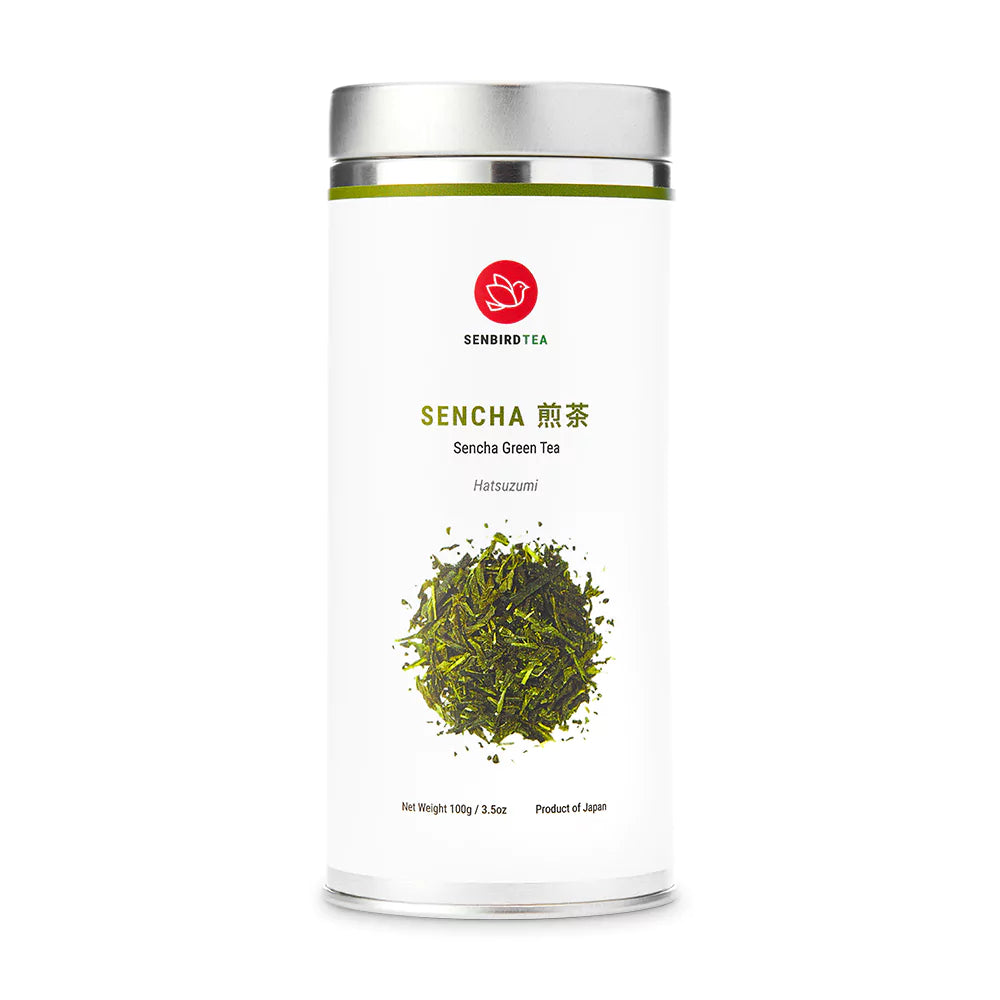
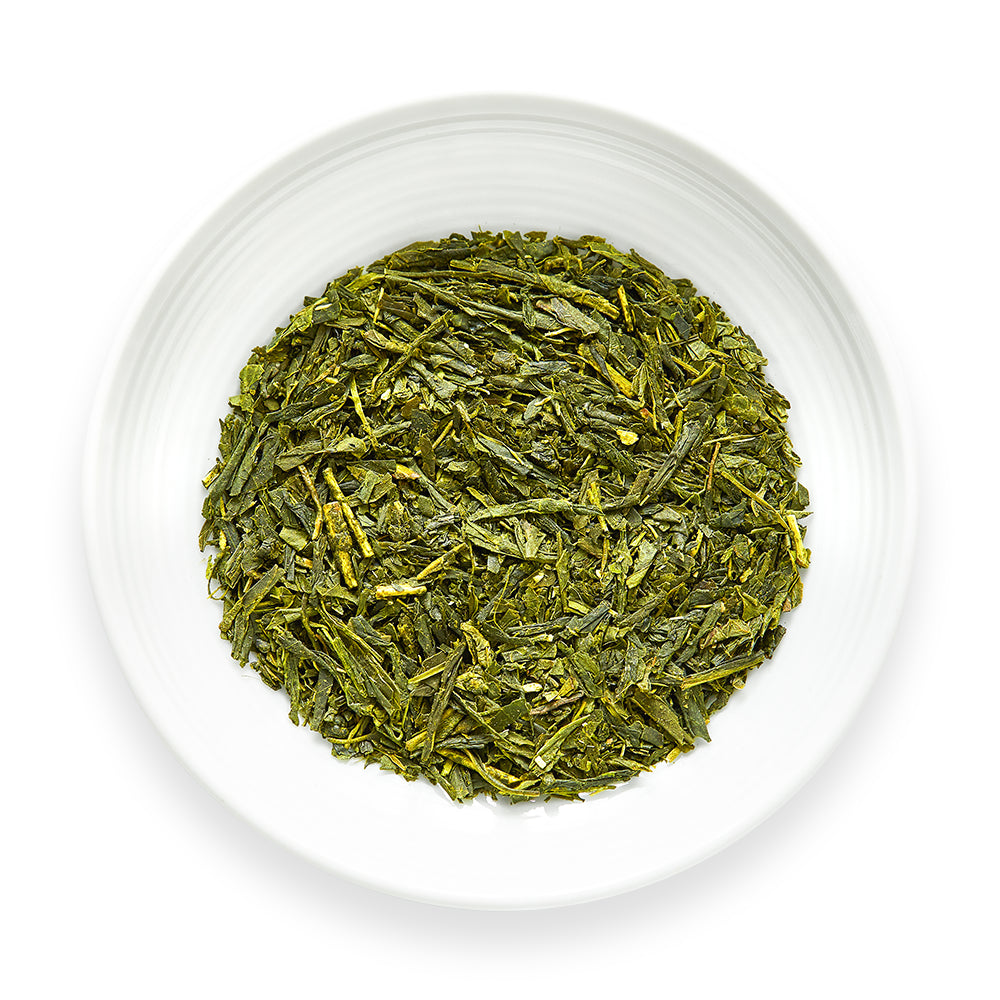
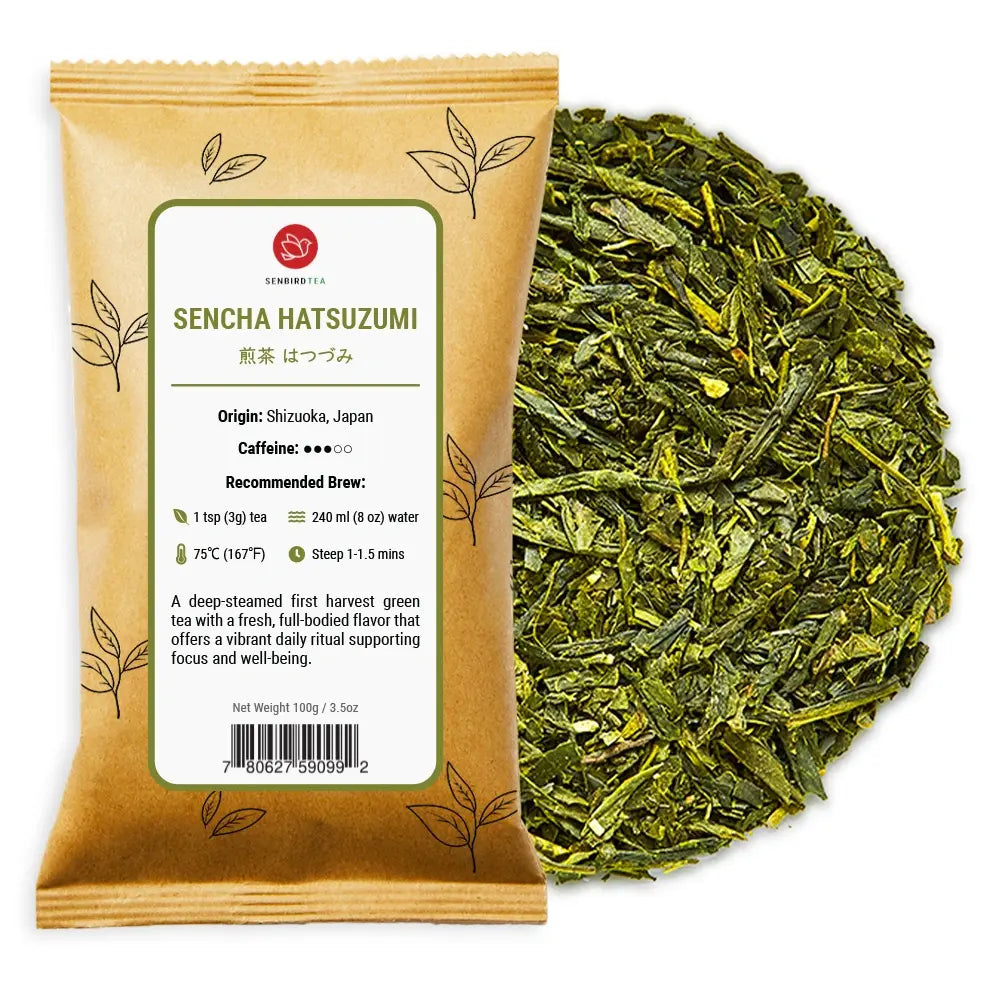
煎茶はつづみ
A deep-steamed first harvest green tea with a fresh, full-bodied flavor that offers a vibrant daily ritual supporting focus and well-being.