

Japanese tea culture is deeply intertwined with philosophical wisdom that has guided mindful living for centuries. From the meditative simplicity of the tea ceremony to the Zen Buddhist principles that shaped chado (the way of tea), Japanese tea quotes offer timeless insights about presence, gratitude, and finding beauty in everyday moments. Senbird Tea has curated ten of the most meaningful Japanese tea quotes that can inspire a more intentional, mindful approach to daily life — whether you are an experienced tea practitioner or simply someone seeking greater calm and awareness.

Japanese tea philosophy emerged from the intersection of Zen Buddhism, Shinto spirituality, and the practical art of tea preparation during the 15th and 16th centuries. Tea masters like Sen no Rikyu, who is widely regarded as the most influential figure in Japanese tea ceremony history, distilled complex spiritual principles into elegant, concise expressions that continue to resonate today. These quotes are not merely poetic — they are practical teachings designed to shift the practitioner's awareness toward the present moment.
The core principles underlying most Japanese tea quotes include wabi (rustic simplicity), sabi (the beauty of imperfection and age), ichigo ichie (one time, one meeting), and wa-kei-sei-jaku (harmony, respect, purity, and tranquility). Understanding these concepts transforms the act of preparing and drinking tea from a routine task into a meaningful practice of mindfulness. Senbird Tea encourages tea lovers to reflect on these quotes during their daily tea rituals as a way to deepen their connection to the meditative traditions of Japanese tea culture.


This quote from the legendary 16th-century tea master Sen no Rikyu captures the Zen Buddhist idea that profound understanding can be found in the simplest actions. By fully concentrating on the experience of drinking a single cup of tea — its aroma, warmth, flavor, and texture — practitioners train their minds to perceive the interconnectedness of all things. The quote teaches that mindfulness does not require elaborate practices; it requires only complete attention to what is directly in front of you.

Perhaps the most famous principle in Japanese tea culture, ichigo ichie reminds us that every gathering and every moment is unique and can never be replicated. This concept, formalized by tea master Ii Naosuke in the 19th century, encourages treating each tea session — and by extension, each encounter in life — with the reverence it deserves. When you share tea with someone, that exact combination of people, place, mood, and season will never occur again. Senbird Tea believes this principle is especially powerful in our distracted modern world, where we often take our interactions for granted.

This deceptively simple quote is one of Sen no Rikyu's most famous teachings and embodies the Zen concept of beginner's mind. On the surface, it strips away all pretension from the tea ceremony, but its deeper meaning challenges us to find extraordinary awareness in ordinary actions. Rikyu suggests that when you can truly boil water, make tea, and drink it with complete presence and no distraction, you have mastered not just tea but the art of living itself.

The Buddhist monk Eisai wrote this in Kissa Yojoki (Drinking Tea for Health), the first Japanese book dedicated to tea, published in 1211. Eisai brought tea seeds from China to Japan and advocated for tea drinking as both a spiritual and physical practice. Modern research has validated much of Eisai's intuition — studies confirm that green tea's catechins, L-theanine, and polyphenols support cardiovascular health, cognitive function, and longevity. This 800-year-old quote bridges ancient wisdom and contemporary science in a way that Senbird Tea finds deeply meaningful.

These four principles, established by Sen no Rikyu as the foundational values of the Japanese tea ceremony, serve as a complete guide for mindful living. Wa (harmony) teaches us to seek balance with nature and others. Kei (respect) encourages genuine regard for all people and things regardless of status. Sei (purity) calls for cleanliness of heart and environment. Jaku (tranquility) is the ultimate goal — a deep inner peace that comes from practicing the first three principles. Together, these values create a framework that extends far beyond the tea room into every aspect of daily life.

The powerful 16th-century ruler Toyotomi Hideyoshi recognized that authentic tea ceremony requires more than technical skill — it demands emotional and spiritual depth. This quote emphasizes that the quality of tea depends not on expensive utensils or rare ingredients but on the sincerity and depth of awareness the preparer brings to the practice. For modern tea drinkers, this is a reminder that mindful tea preparation is itself a form of meditation.

This proverb, closely related to the ichigo ichie principle, focuses specifically on the shared experience of a pot of tea. It suggests that the simple act of sharing tea creates bonds and memories that persist long after the hojicha roasted green tea is empty. In Japanese culture, offering tea to a guest is one of the highest forms of hospitality and respect. Senbird Tea carries this tradition forward by providing premium Japanese teas that transform everyday tea sharing into meaningful encounters.

This instruction from Sen no Rikyu established the tea room as a sacred space free from the concerns of status, politics, and daily stress. The small door (nijiriguchi) of traditional tea rooms was deliberately designed to require all guests — even samurai — to bow low upon entering, physically leaving their swords and symbolically leaving their worldly concerns outside. This quote inspires the modern practice of creating intentional spaces and times in daily life where digital devices, work stress, and mental clutter are set aside in favor of pure presence.

This saying captures the inseparable relationship between Zen Buddhism and Japanese tea culture. Zen monks originally used tea to stay alert during long meditation sessions, but over centuries, tea preparation itself became a form of meditation. The quote teaches that when you approach tea drinking with the same focused, non-judgmental awareness cultivated in Zen meditation, the act of tasting tea becomes a direct experience of Zen — no monastery or formal meditation cushion required. Every cup of tea prepared with full attention is a moment of enlightenment.

This final quote from Sen no Rikyu contains a powerful warning about the difference between habitual consumption and mindful practice. Drinking tea mindlessly — while scrolling through a phone or rushing through a morning routine — means the tea controls you rather than you savoring the tea. Senbird Tea interprets this teaching as a call to transform daily tea drinking from an unconscious habit into a deliberate act of self-care and awareness. When you know the Way of Tea, each sip becomes a choice to be present.

Incorporating these Japanese tea quotes into daily life does not require a formal tea ceremony or specialized equipment. Begin by selecting a high-quality loose leaf Japanese tea from Senbird Tea — the superior flavor and aroma of premium tea naturally draws your attention to the present moment. Prepare your tea slowly and deliberately, paying attention to the sound of boiling water, the color of the liquor as it steeps, and the first wave of fragrance that rises from your cup. Before drinking, pause for a moment of gratitude — for the tea farmers who cultivated the leaves, for the water, and for the quiet moment you have created for yourself.
Research published in the journal Mindfulness has shown that pairing a simple physical ritual like tea preparation with intentional awareness can reduce cortisol levels by up to 25% and improve sustained attention. The Japanese tea quotes listed above provide mental anchors for this practice. Choose one quote that resonates with you and reflect on its meaning during your next tea session. Over time, this practice builds a habit of mindfulness that extends beyond tea into your relationships, work, and overall approach to life.
The most famous Japanese tea quote is ichigo ichie, meaning "one time, one meeting." This principle was formalized by tea master Ii Naosuke in the 19th century and is considered the philosophical cornerstone of Japanese tea ceremony. It teaches that every gathering is a once-in-a-lifetime event that can never be exactly replicated, encouraging participants to treat each moment with complete attention and reverence. The concept has become so central to Japanese culture that it extends well beyond tea into everyday social interactions and life philosophy.
Sen no Rikyu (1522–1591) is widely regarded as the most influential figure in the history of Japanese tea ceremony. He served as tea master to the powerful warlords Oda Nobunaga and Toyotomi Hideyoshi and transformed the tea ceremony from an elaborate display of wealth into a practice centered on simplicity, humility, and spiritual depth. Rikyu established the four principles of wa-kei-sei-jaku (harmony, respect, purity, tranquility) that continue to guide tea practice today. His philosophy emphasized that true beauty lies in imperfection and that the highest art is found in the most ordinary actions.
Tea quotes serve as mental anchors that redirect attention to the present moment during tea preparation and drinking. By reflecting on a meaningful quote while performing the physical actions of making tea, you create a multi-sensory mindfulness practice that engages both the body and mind simultaneously. Research in cognitive psychology shows that pairing an abstract intention (like mindfulness) with a concrete physical activity (like tea preparation) dramatically increases the likelihood of sustained practice. Japanese tea quotes provide the philosophical framework that transforms routine tea drinking into an intentional mindfulness ritual.
Wabi-sabi is a Japanese aesthetic philosophy that finds beauty in imperfection, impermanence, and incompleteness. In tea culture, wabi refers to the quiet, rustic simplicity valued in tea rooms and utensils, while sabi appreciates the beauty that comes with age and natural wear. A tea bowl with an irregular glaze, a bamboo whisk showing signs of use, or a garden path with moss-covered stones all embody wabi-sabi. This philosophy teaches tea practitioners to appreciate things as they are rather than striving for idealized perfection — a powerful mindfulness lesson that Senbird Tea believes applies to every aspect of modern life.
The Japanese tea ceremony (chanoyu or chado, meaning "the way of tea") is a spiritual practice rooted in Zen Buddhism that uses the preparation and sharing of matcha as a vehicle for cultivating presence, gratitude, and human connection. Every element of the ceremony — from the arrangement of flowers to the selection of utensils to the precise movements of the host — is designed to create a sacred space where participants experience complete immersion in the present moment. The ceremony typically lasts 1–4 hours and follows centuries-old protocols that guide both host and guest through a meditative journey of shared awareness and mutual respect. Senbird Tea also offers wholesale Japanese tea for cafés, restaurants, and retailers.
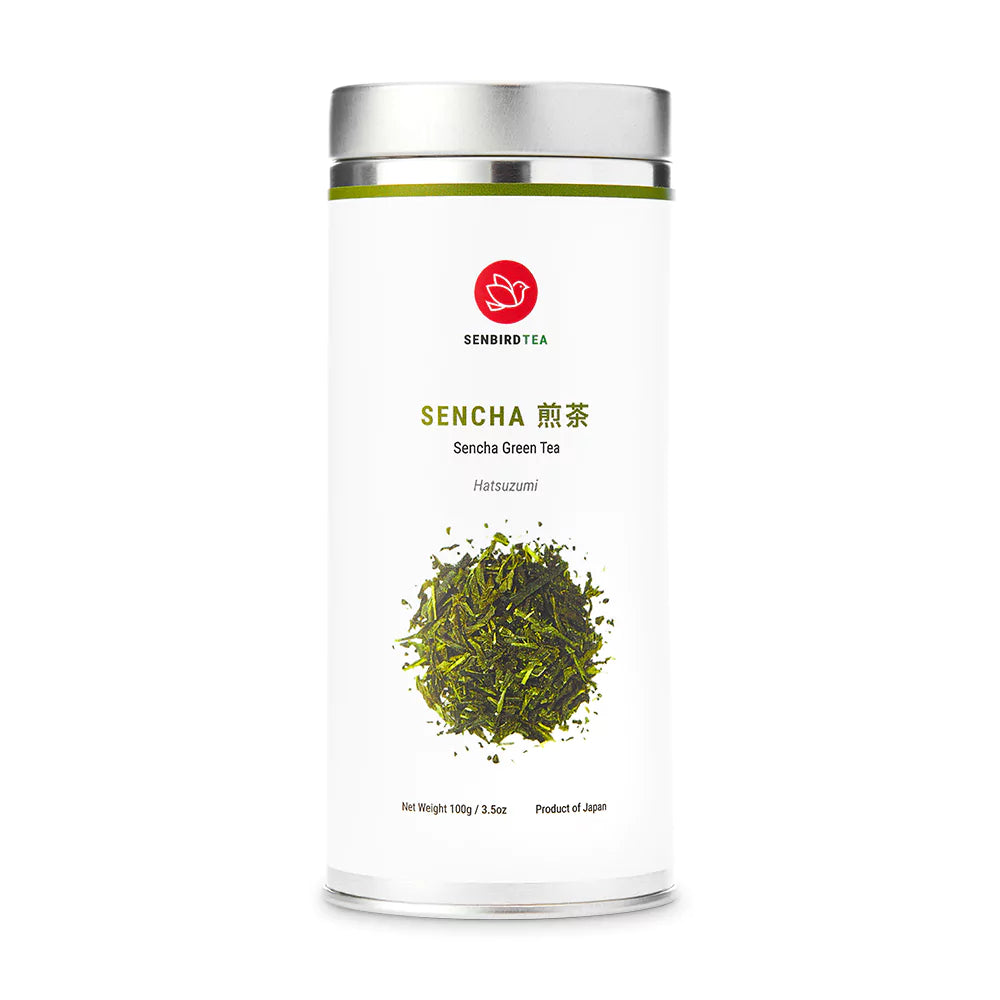
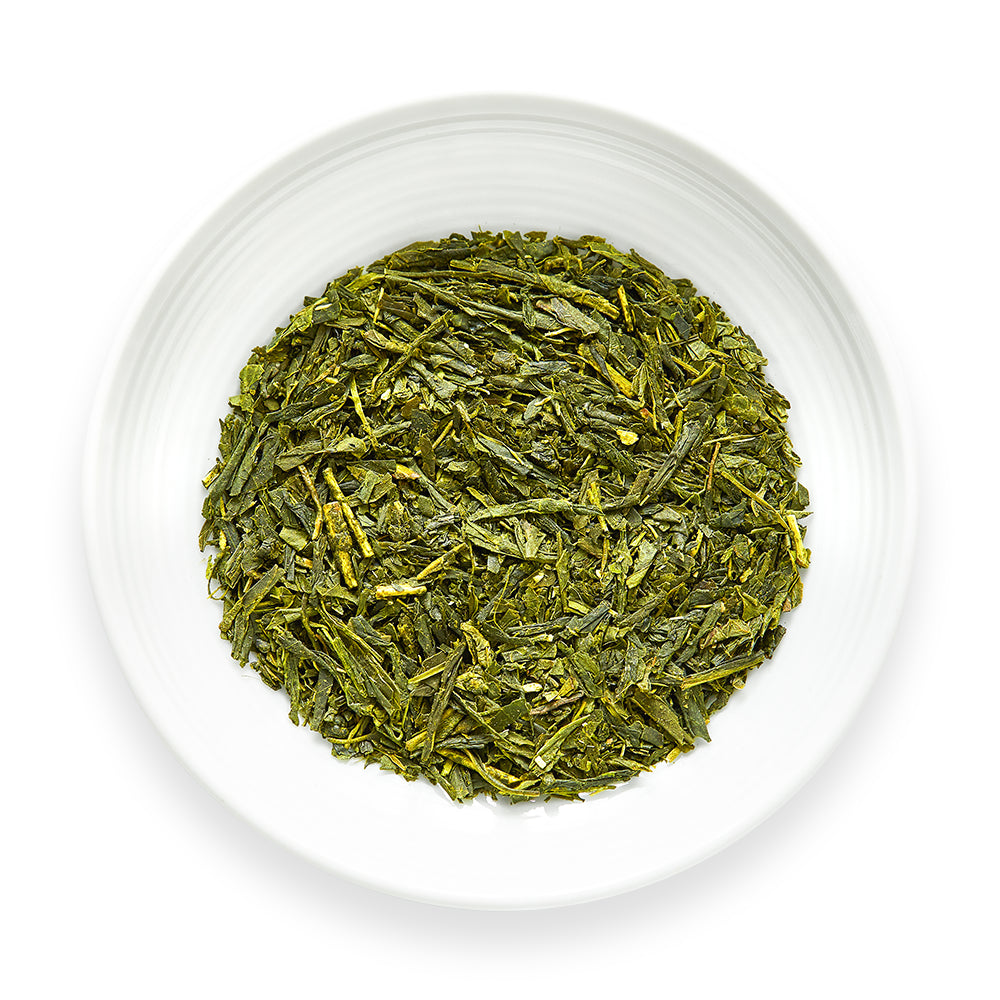
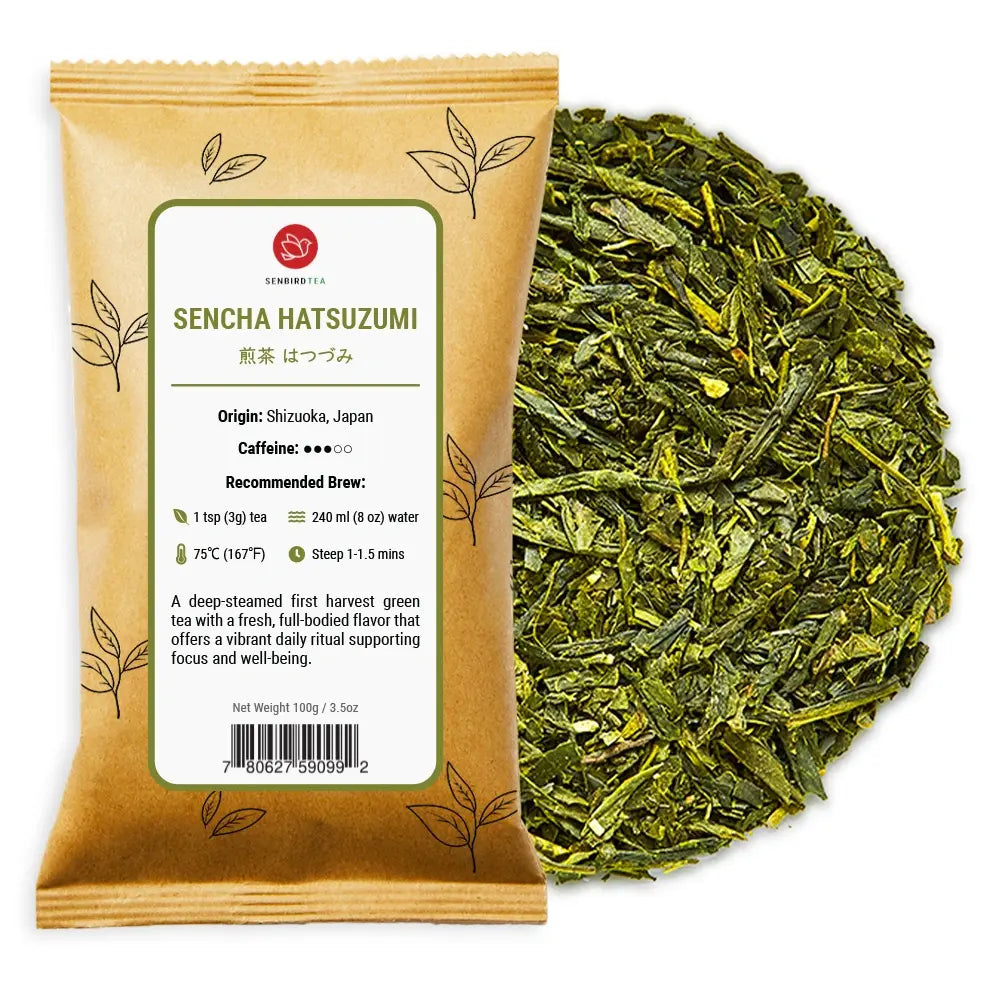
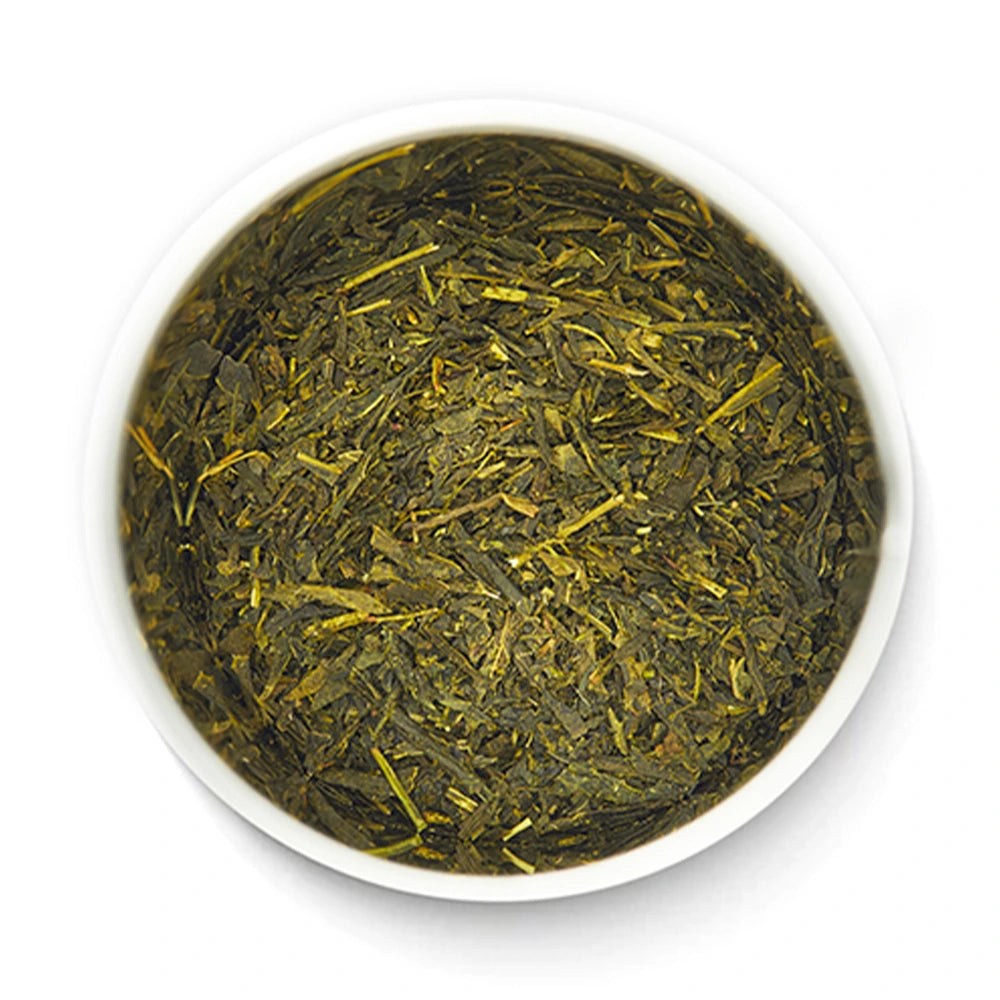
煎茶はつづみ
A deep-steamed first harvest green tea with a fresh, full-bodied flavor that offers a vibrant daily ritual supporting focus and well-being.