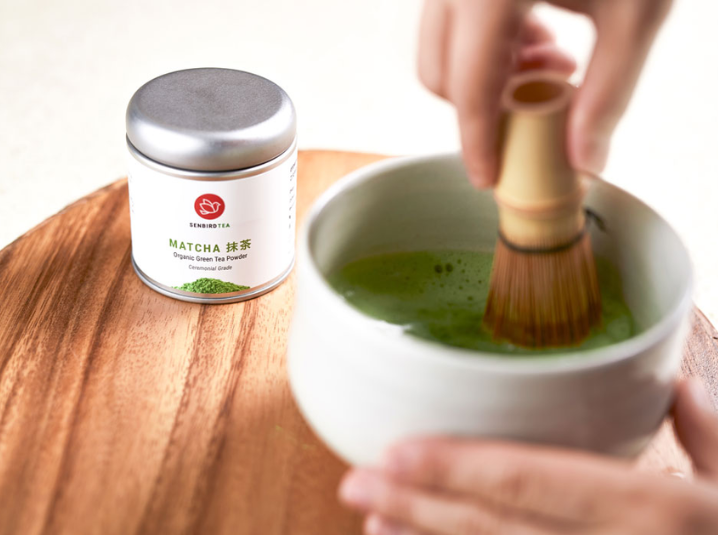


From creamy lattes to refreshing lemonade and elegant cocktails, matcha is one of the most versatile ingredients in any kitchen. These five Senbird Tea matcha drink recipes range from everyday staples to special-occasion creations, each using ceremonial or culinary-grade Japanese matcha green tea powder for authentic flavor.

Unlike steeped teas where leaves are removed, matcha is a stone-ground powder whisked directly into liquid. This means you consume the entire tea leaf, delivering a concentrated dose of antioxidants, L-theanine, and natural caffeine. A 2020 study in the journal Molecules found that matcha contains up to 137 times more catechins than standard brewed green tea. That concentrated nutrition, combined with matcha's distinctive umami flavor and vibrant green color, makes it ideal for both healthy matcha beverages and creative recipes from Senbird Tea.

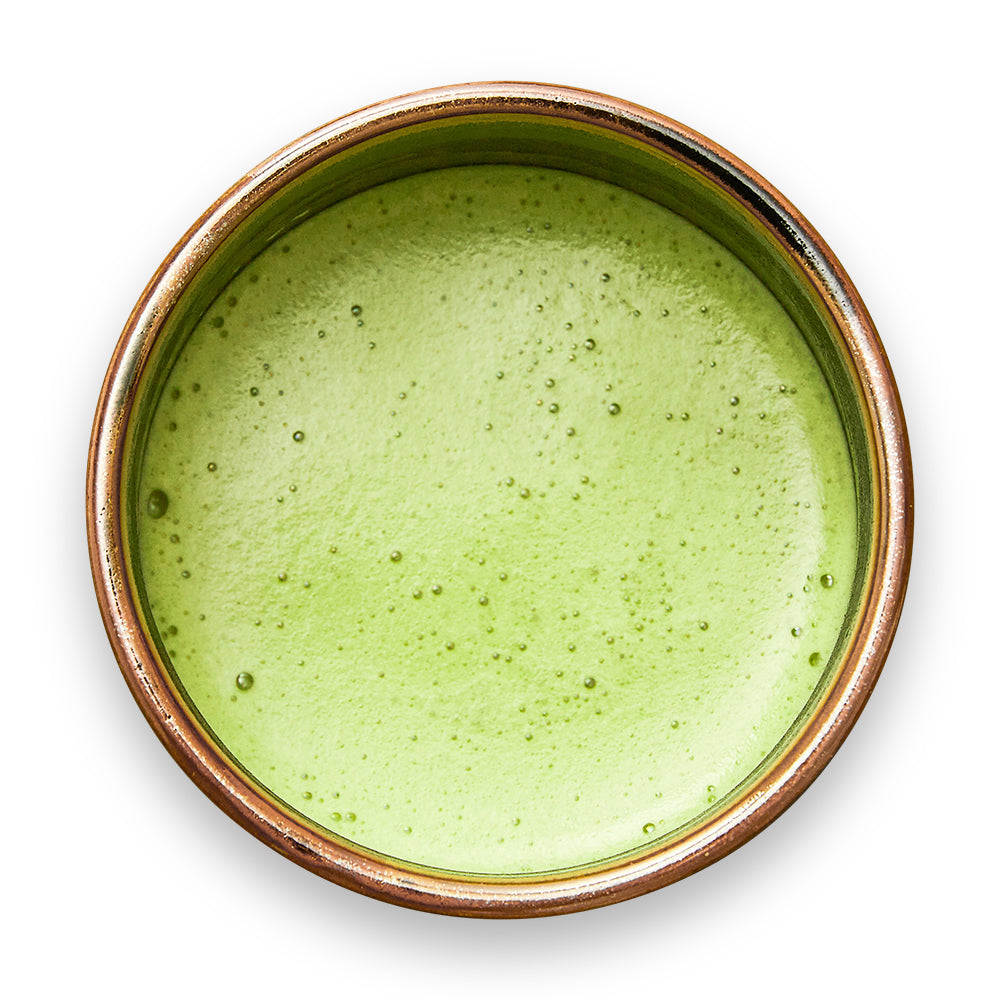
The iced matcha latte is the most popular matcha drink worldwide, and for good reason.
Whisking ceremonial-grade matcha with a splash of hot water, then pouring it over cold milk and ice, creates a creamy, energizing drink with roughly 60–130 mg of caffeine—comparable to coffee but with the calm focus of L-theanine.
Use oat milk for the creamiest texture, or dairy for classic richness. A bamboo matcha whisk produces the smoothest foam, though a small electric frother works too.

Matcha lemonade combines the earthy depth of matcha with bright citrus acidity for a summer drink that feels both refreshing and grounding. Dissolve one teaspoon of Senbird Tea matcha in a small amount of warm water, then combine with freshly squeezed lemon juice, cold water, and honey or simple syrup.
The result is a striking two-tone drink that is as visually appealing as it is flavorful. This recipe works particularly well with culinary-grade matcha, whose slightly bolder flavor stands up to the tartness of lemon.

Matcha bubble milk tea (boba) brings the Taiwanese tea-shop experience into your kitchen.
Cook tapioca pearls according to package instructions, prepare a matcha latte base using Senbird Tea matcha powder and cold milk, then combine in a tall glass with ice.
The chewy tapioca pearls and creamy matcha make every sip a satisfying contrast of textures. Sweeten with brown sugar syrup for an authentic boba shop flavor, or keep it light with honey.

Vanilla matcha hot chocolate is the perfect cold-weather alternative to a standard matcha latte. Melt white chocolate into warm milk, whisk in Senbird Tea matcha powder, and add a splash of vanilla extract.
The white chocolate adds a buttery sweetness that balances matcha's vegetal notes, creating a cozy drink that feels indulgent without being overly heavy. Top with whipped cream and a light dusting of matcha for a café-quality presentation.

The matcha gin tonic elevates a classic cocktail with the botanical complexity of Japanese green tea. Dissolve half a teaspoon of ceremonial-grade matcha into a small amount of warm water, then combine with quality gin, tonic water, and ice.
Matcha's herbal umami notes complement gin's juniper and botanicals in a way that feels natural and sophisticated. Garnish with a lime wheel or fresh mint sprig for an elegant cocktail from Senbird Tea.
| Drink | Best Season | Prep Time | Caffeine | Difficulty |
|---|---|---|---|---|
| Iced Matcha Latte | Spring / Summer | 3 minutes | ~60–130 mg | Easy |
| Matcha Lemonade | Summer | 5 minutes | ~60–70 mg | Easy |
| Matcha Bubble Milk Tea | Year-round | 20 minutes | ~60–130 mg | Moderate |
| Vanilla Matcha Hot Chocolate | Fall / Winter | 10 minutes | ~60–70 mg | Easy |
| Matcha Gin Tonic | Year-round | 5 minutes | ~30–35 mg | Easy |
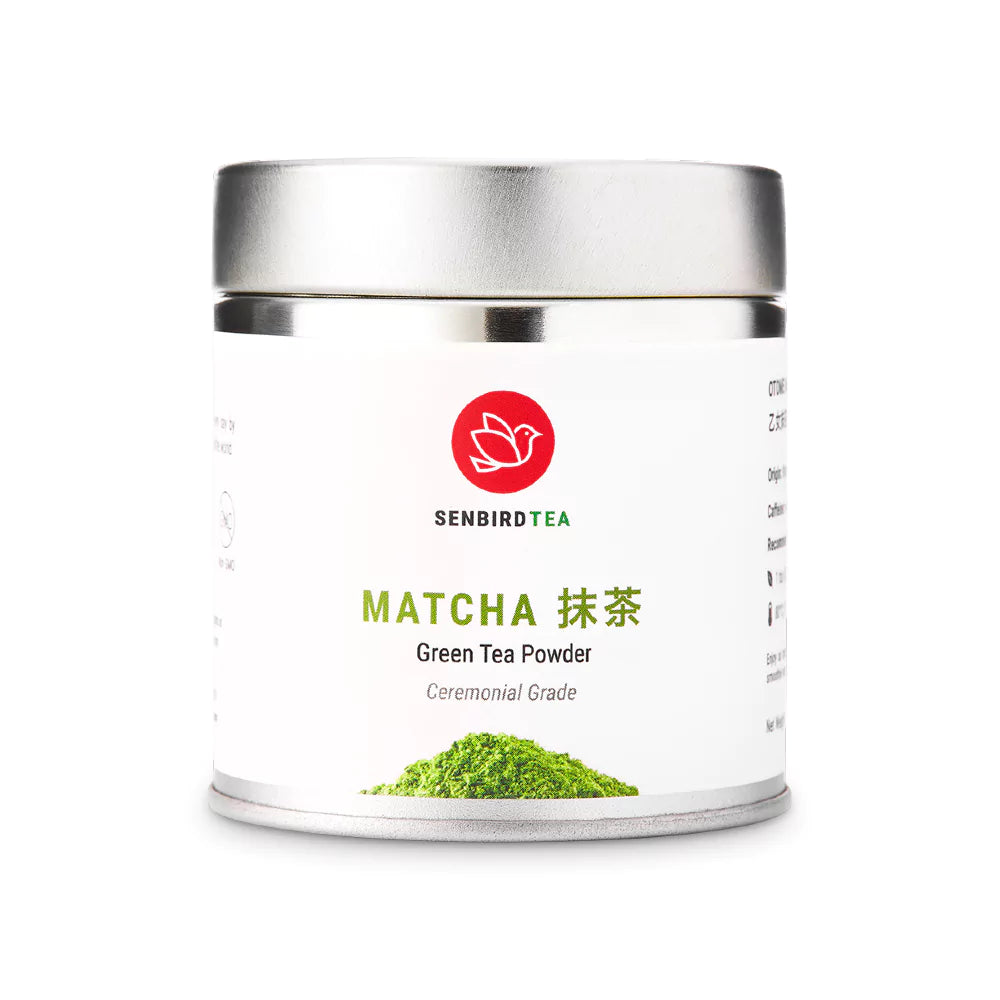
Choose the right grade. Ceremonial-grade matcha (like Senbird Tea's Otome Matcha) is best for lattes, drinks where matcha is the star flavor. Culinary-grade matcha works well in recipes where other strong flavors like lemon, chocolate, or gin are present.
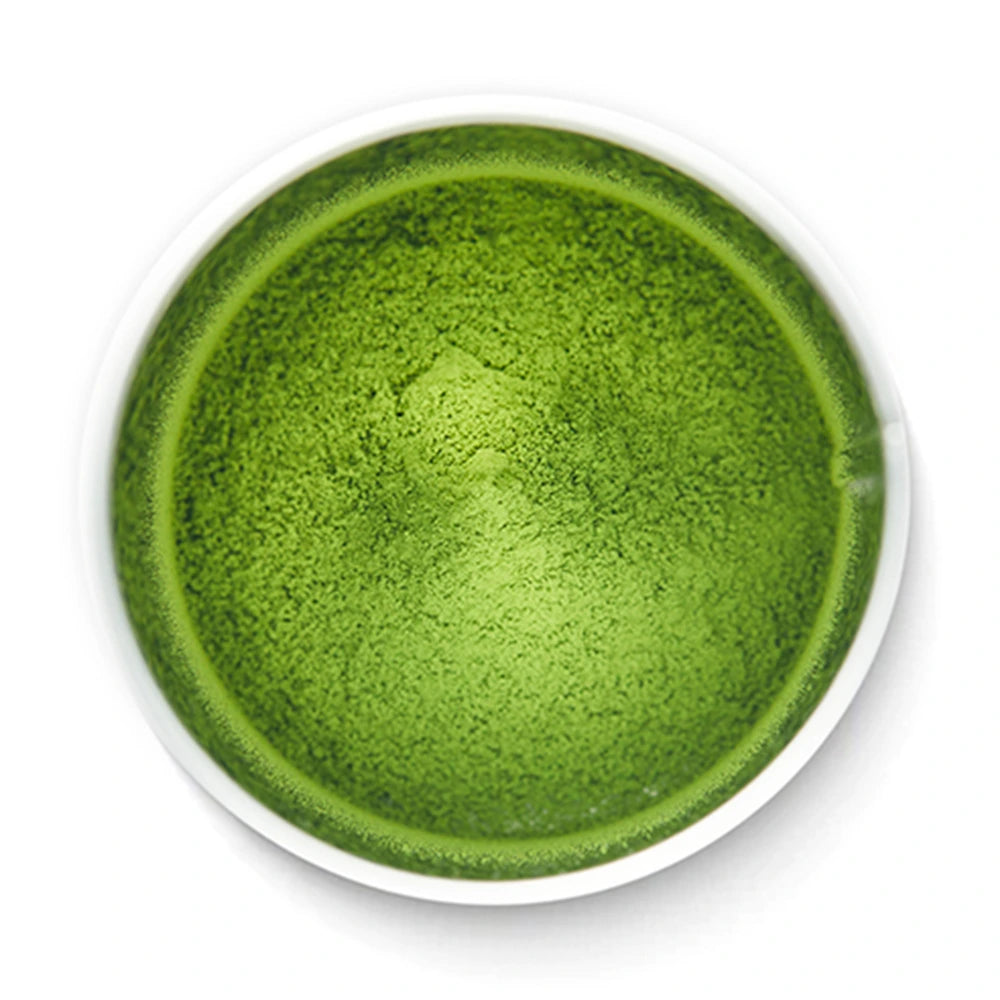
Always sift your matcha. Matcha powder clumps naturally due to its ultra-fine particle size (5–10 microns). Sifting through a fine-mesh strainer takes 10 seconds and prevents gritty texture in your finished drink.
Control your water temperature. Never pour boiling water directly on matcha. Water between 70–80°C (160–175°F) dissolves the powder smoothly without scorching the delicate catechins that give matcha its flavor and health benefits.
For drinks where matcha is the primary flavor—such as lattes and straight matcha—ceremonial grade produces the smoothest, most naturally sweet result. For drinks with strong competing flavors like lemon juice or chocolate, culinary grade from Senbird Tea works well and is more cost-effective.
Yes. A small electric milk frother, a mason jar for shaking, or even a fork can dissolve matcha. However, a traditional bamboo chasen produces the finest microfoam and smoothest consistency, which is especially noticeable in simple drinks like lattes.
One teaspoon (2 g) of matcha contains approximately 60–70 mg of caffeine. A two-teaspoon serving contains 120–130 mg, comparable to a cup of brewed coffee. Matcha's L-theanine content modulates caffeine absorption, producing sustained energy rather than a sharp spike and crash.
High-quality Japanese matcha has a rich umami flavor with subtle vegetal sweetness, not an unpleasant grassy taste. Bitterness or strong grassiness typically indicates lower quality matcha or water that was too hot. Senbird Tea sources its matcha from Uji and Shizuoka, Japan's premier tea-growing regions.
Matcha drinks are best consumed fresh because the powder begins to oxidize and settle once mixed. However, you can store an iced matcha latte in the refrigerator for up to 4 hours. Shake or stir well before drinking, as the matcha will separate from the milk over time.
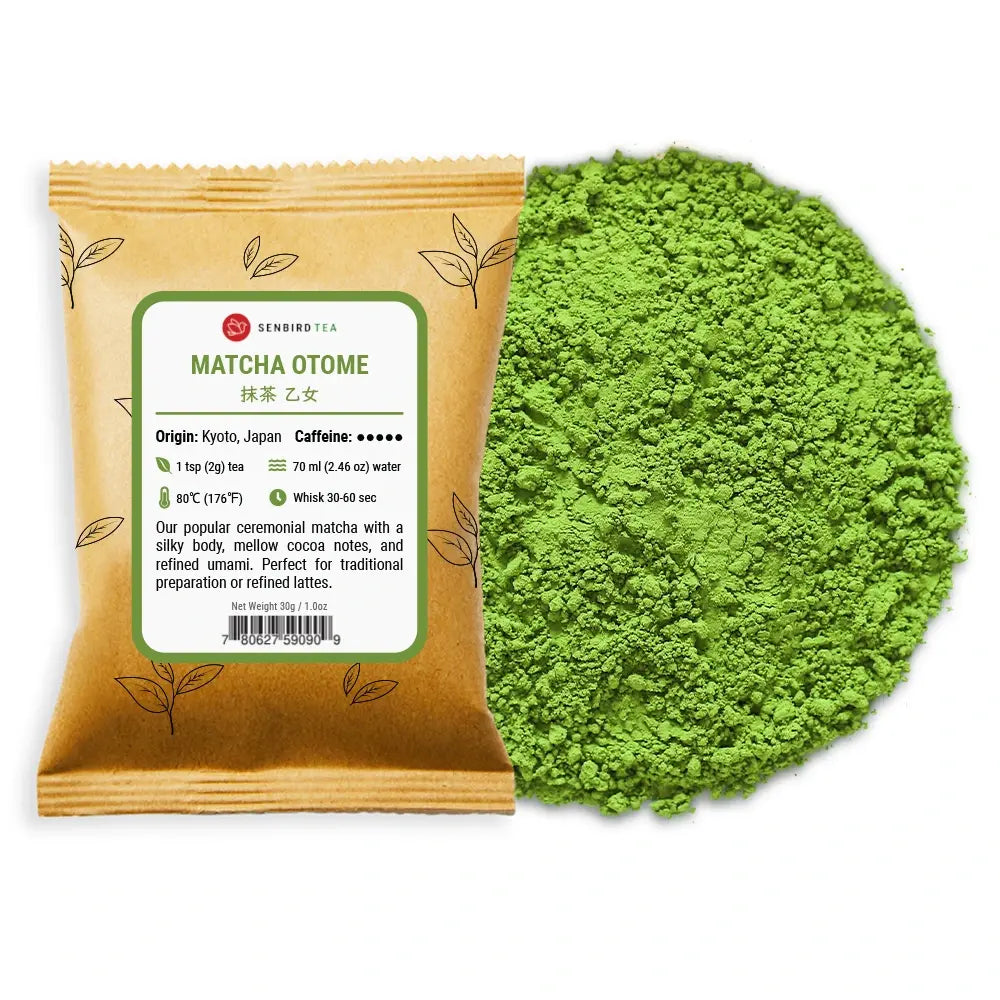
抹茶乙女
Our best-selling ceremonial Okumidori matcha with a silky body, mellow cocoa notes, and refined umami, perfect for traditional preparation or refined lattes.