

Green tea remains one of the most popular choices among tea drinkers. Originally rooted in traditional Chinese medicine, it gained recognition for its numerous health benefits, natural energy boost, and refreshing taste. Over time, its popularity spread, especially in Japan, where it became an integral part of daily life. Now, with our comprehensive Japanese Green Tea Guide, you can dive deeper into the world of green tea. Learn about its rich history, unique varieties, and cultural significance in Japan, where it remains one of the most widely consumed beverages.


For the most part, Sencha green tea is the most popular tea in Japan that is available in nearly every restaurant, store, vending machine, and in most homes. However, Japan's love for green tea started with matcha green tea powder, was introduced during the Kamakura period (1185-1333) and consumed by the upper class during Japanese matcha tea ceremonies, known as Chanoyu (茶の湯) or Chado (茶道).
Today, Japan ranks as the second-largest producer of green tea, renowned for its craftsmanship and dedication to creating some of the most unique and highest-quality varieties. Over centuries, Japanese tea farmers have refined their techniques, ensuring each cup delivers exceptional flavor and benefits.
Discover the journey of green tea-from cultivation to cup. Learn how it's made, explore its numerous health benefits, dive into the different types of Japanese green tea, and master the art of brewing the perfect cup.

Green tea comes from the leaves of the Camellia sinensis plant, the same source for other teas like black tea, oolong tea, pu-erh, and white tea. While these varieties share the same origin, their differences come from unique processing methods. Known as "true teas," they are the only ones made directly from tea leaves, setting them apart from herbal teas, which use flowers, herbs, or other plant parts instead.
Other types of tea often use stems, flowers, roots, and leaves of other botanicals and plants, creating blends or herbal teas that vary in flavor, aroma, texture, and benefits.

Thanks to Japan's climate and geographical conditions, several regions have become well known for producing high-quality green tea. The top tea-growing areas include Shizuoka, Kagoshima, Mie, and Kyoto. Among them, Uji, Kyoto, remains famous for its premium, high-end teas, while Shizuoka Prefecture, home to Mount Fuji, leads in production, accounting for 40% of all sencha in Japan.
The process of making classic Japanese green tea begins with harvesting leaves from the Camellia sinensis plant. Immediately after picking, the leaves are steamed to prevent oxidation and fermentation, a crucial step that helps preserve their vibrant green color, nutrients, and fresh flavor. Once steamed, the leaves cool to remove excess moisture before undergoing an initial rolling and drying process, where hot air applies strong pressure. Afterward, the leaves are pressed and rolled repeatedly with heat, gradually shaping into the thin, needle-like form characteristic of Japanese green tea. Finally, the tea goes through a last round of drying, completing the process and locking in its signature aroma and taste.

The taste of green tea varies depending on its origin, cultivation, and production process, often described as vegetal, grassy, and mild. In particular, Japanese green tea offers a wide range of flavors, from smooth and mellow to bold and robust, with varying levels of astringency and bitterness. This diversity comes from differences in processing methods, growing conditions, and the specific tea cultivar used.
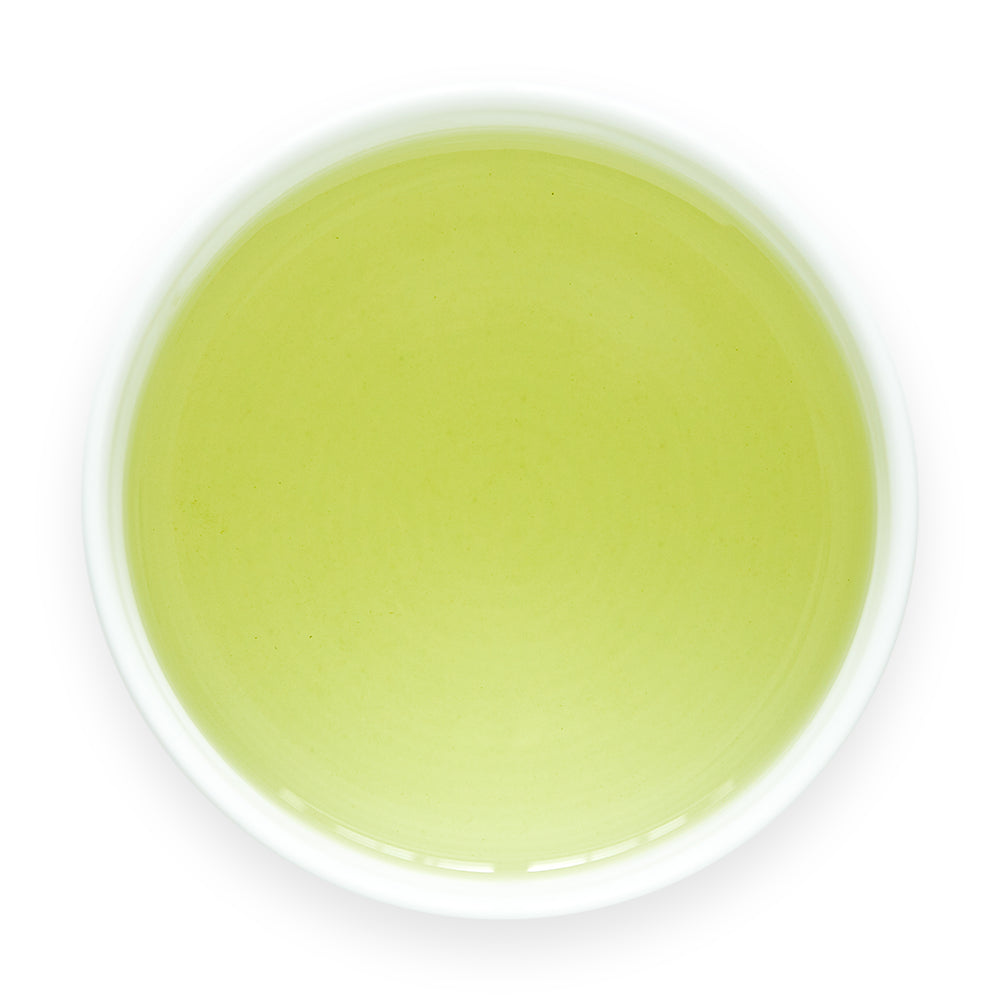
When brewed, most green teas take on a light yellow to pale green color. However, depending on the variety, the infusion can range from deep emerald green to light brown. Matcha green tea powder, on the other hand, stands out with its distinctive color, taste, and texture. High-quality matcha brews into an opaque, vibrant green with a rich, creamy consistency. Unlike other green teas, matcha is known for its bold umami flavor, balancing natural sweetness with a hint of bitterness.

Green tea is widely known for its impressive health benefits. Studies suggest that when combined with regular exercise and a balanced diet, drinking green tea can support longevity. Research also indicates that green tea helps improve blood flow, lower cholesterol, enhance brain function, and reduce the risk of heart disease.
The powerful compounds in green tea contribute to its health-boosting properties. Polyphenols help reduce inflammation, while catechins like EGCG protect cells from damage. Additionally, L-theanine, an amino acid found in green tea, supports brain function. Beyond these benefits, green tea is rich in antioxidants, essential nutrients, and minerals. Some additional health advantages include:

Ultimately, the caffeine level varies depending on the type of green tea, but overall one serving of loose leaf green tea or matcha (30-80mg) is less caffeinated than a cup of coffee (95-165 mg of caffeine). On the other hand, Gyokuro shade-grown green tea has nearly double the caffeine content of a cup of regular coffee.
The natural caffeine in green tea is a powerful stimulant for mental clarity to keep you alert and focused. Coupled with the amino acid, l-theanine which boosts dopamine and alpha wave production in the brain, research shows that green tea is a particularly powerful brain booster with anti-anxiety effects, minimizing the jitteriness that may occur from drinking coffee. Many green tea drinkers report more stable energy and productivity levels, compared with coffee.

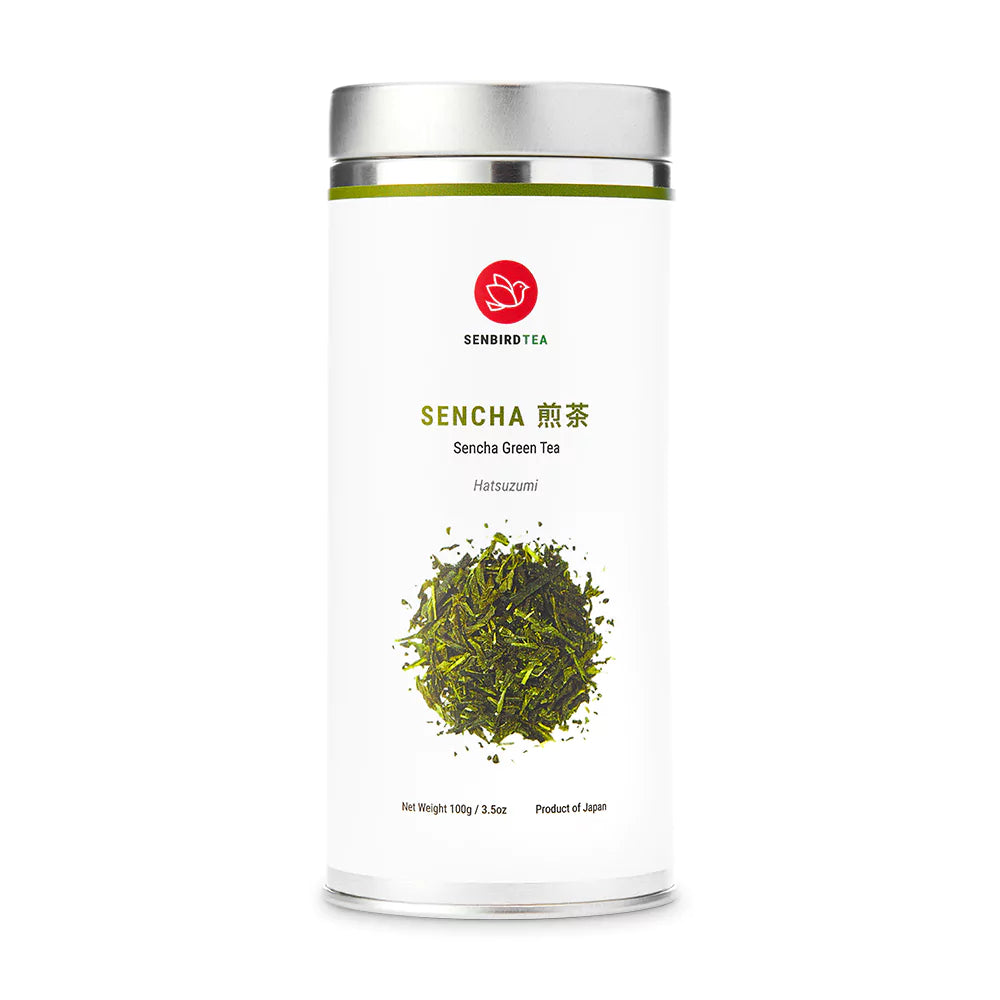
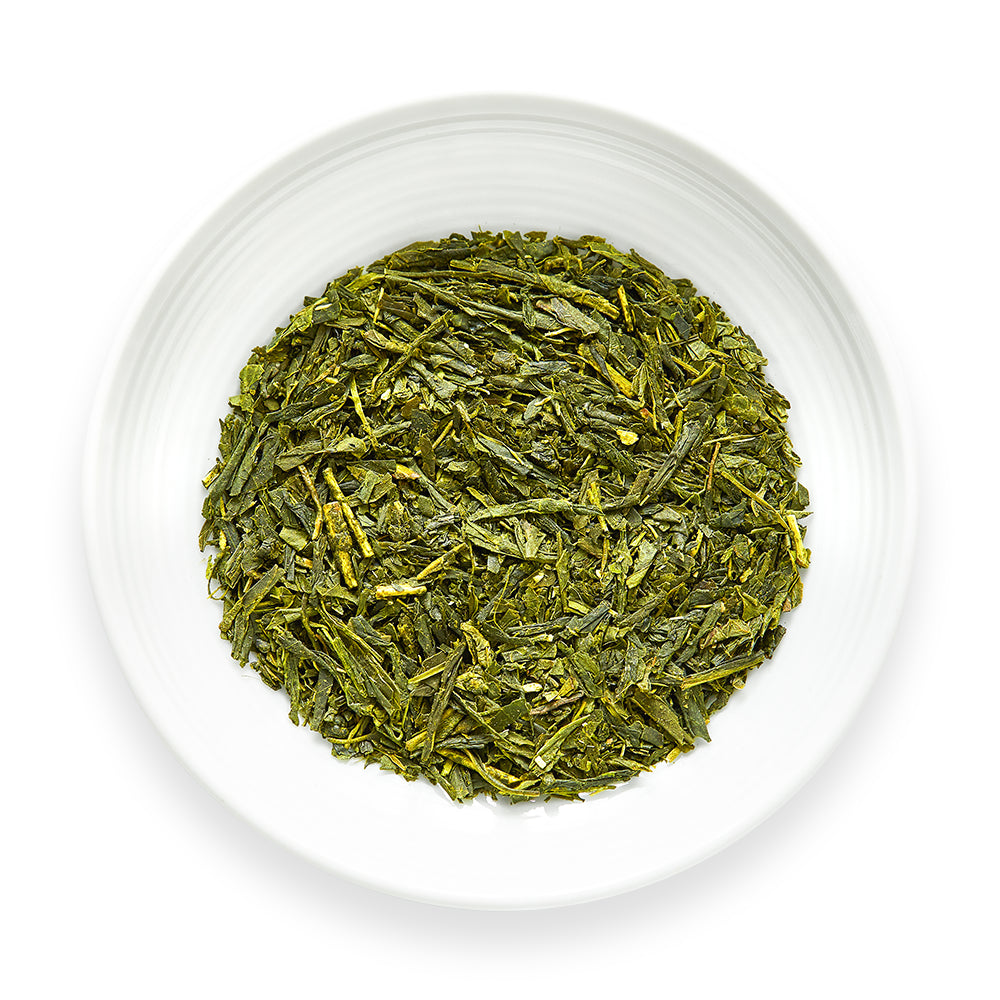
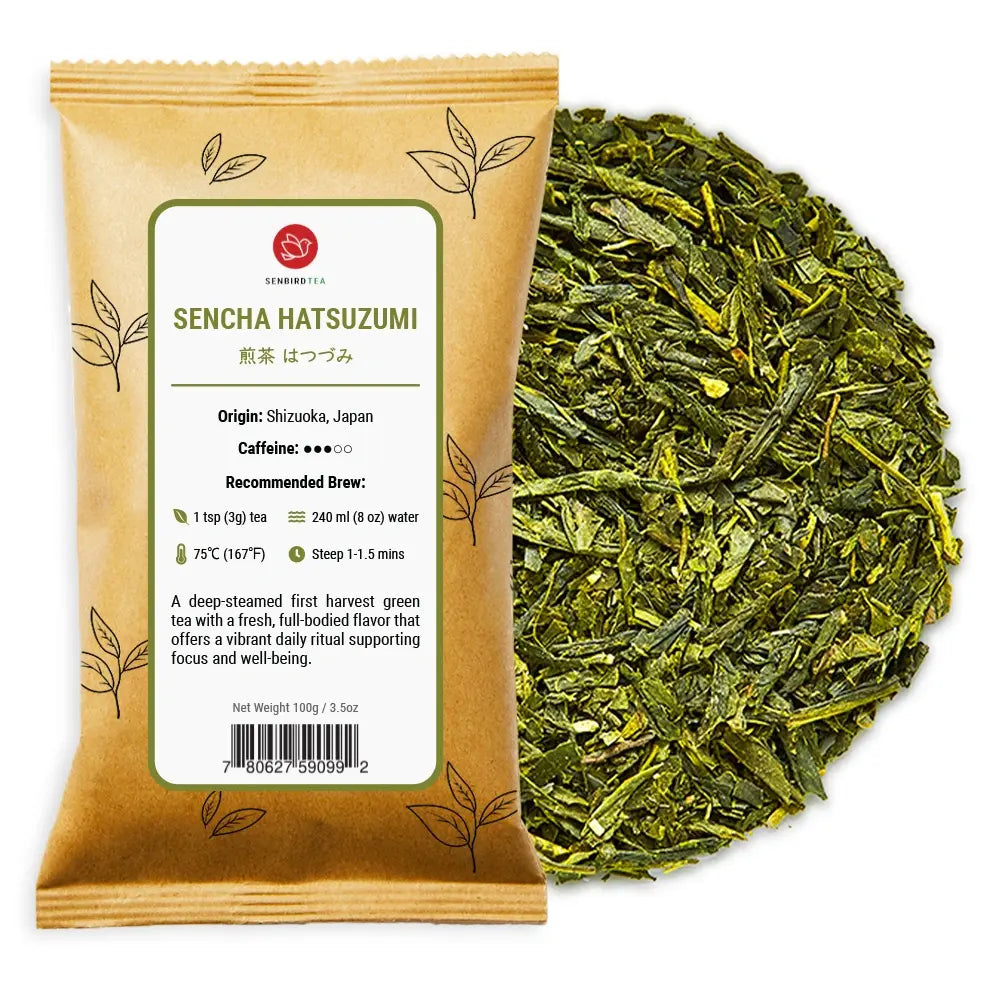
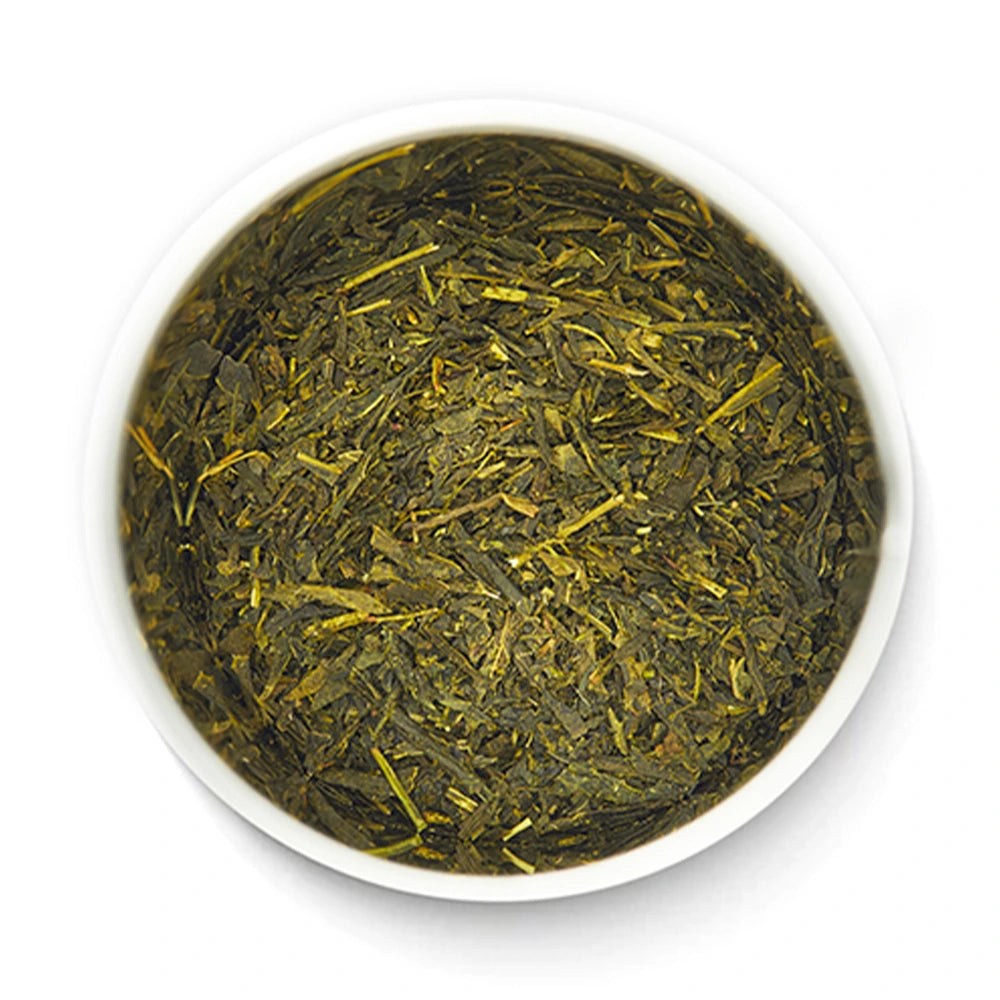
Sencha is the most common classic green tea with a bright green color. Senbird Tea's Sencha Hatsuzumi is a wonderful introduction to this beloved variety. Green tea is now an important part of Japanese culture, where it is present in almost every home, restaurant, or office. With a moderate amount of caffeine, a cup of hot or cold sencha is perfect to start your day with or to enjoy during or after meals to cleanse your palate.
Fukamushicha or Fukamushi (深蒸し) sencha is a deep steamed green tea, the signature style of green tea in Shizuoka. In other words, while typical sencha is steamed for 60 seconds, fukamushicha is steamed for longer, usually 90-120 seconds. As a result, the tea leaves break down into smaller pieces with some fine powder, brewing a dark vibrant green hue with a deep, rich taste with no astringency.
Kukicha (茎茶), also known as bōcha (棒茶), is a Japanese tea blend made from stems, stalks, twigs, and tea leaves left over after processing sencha or matcha. Unlike other green teas, kukicha has a naturally mild, nutty flavor with a subtle sweetness. Additionally, it contains less caffeine, making it a great choice for those seeking a gentler tea experience.
Genmaicha (玄米茶) is a Japanese tea blend made from mixing green tea leaves with roasted brown rice. It is often made with sencha or bancha green tea and roasted rice. Some blends may mix in matcha green tea for a boost in flavor, nutrients, and color, known as matcha iri genmaicha (抹茶入り玄米茶). This mild green tea is popular for its toasty flavor and fragrant rice aroma from the popped roasted brown rice, which mellows out any astringency or bitterness from the green tea.
Hojicha (ほうじ茶) or houjicha, a roasted green tea, made by slow-roasting dried green tea leaves, stems, stalks, or twigs. The high heat roasting changes leaf color from green to reddish-brown,creating a low-caffeine, toasty green tea. Hojicha flavor ranges from toasty, nutty, and earthy to lightly sweet and caramel undertones. Hojicha powder is popular for its simplicity: just whisk it into water.
Gyokuro (玉露) is a rare, delicate, and premium quality green that is grown in the shade. Senbird Tea's Gyokuro Isshin translates to "jade dew", named after the pale green liquor that is buttery smooth with a delicate sweetness. Each yearly harvest yields small quantities of this fragrant high-quality green tea. The shading process on Gyokuro tea leaves increases the theanine, caffeine, chlorophyll, and nutrients in the tea leaves. In fact, this results in an energizing green tea that is naturally sweeter, grassier, and rich in umami.
Matcha (抹茶) is a finely ground green tea powder from tencha tea leaves grown in the shade for three to four weeks. Since matcha uses shade-grown tea leaves, it is rich in amino acid theanine and naturally high in caffeine. Traditional Japanese tea ceremonies serve matcha green tea and focus on the meditative preparation, serving, and drinking of matcha. "Ceremonial grade" indicates that the matcha powder is of a high enough quality for the tea ceremony practice. Nowadays, matcha is in desserts and baked goods, and popular drinks such as matcha lattes and cocktails. Matcha is popular for its rich consistency and grassy umami taste.

Since green tea is delicate, most varieties taste best when steeped for one minute or less. In particular, over-steeping or steeping too hot results in a bitter and astringent brew. Indeed, to brew a perfect cup of loose leaf green tea, you'll need a teapot or fine mesh tea strainer. Now, most tea varieties are conveniently available in tea bags too. Just look for tea shops that fill the teabags with whole leaf tea.
At Senbird, we offer whole leaf tea from family-run Japanese tea farms, packaged in sustainable refillable tea tins. We recommend using a traditional kyusu teapot for brewing since they are designed for green tea. The kyusu teapot provides enough room for the tea leaves to expand, releasing more flavor and nutrients into every cup.

You can brew loose-leaf Japanese green tea up to three times, savoring the gentle shifts in flavor and aroma with each steep. For a refreshing twist, try it iced or as a cold brew-our guide will show you how.
At Senbird, we're honored to share high-quality green and herbal teas directly from family farms in Japan. With every cup, we hope you discover a moment of harmony, tradition, and well-being.
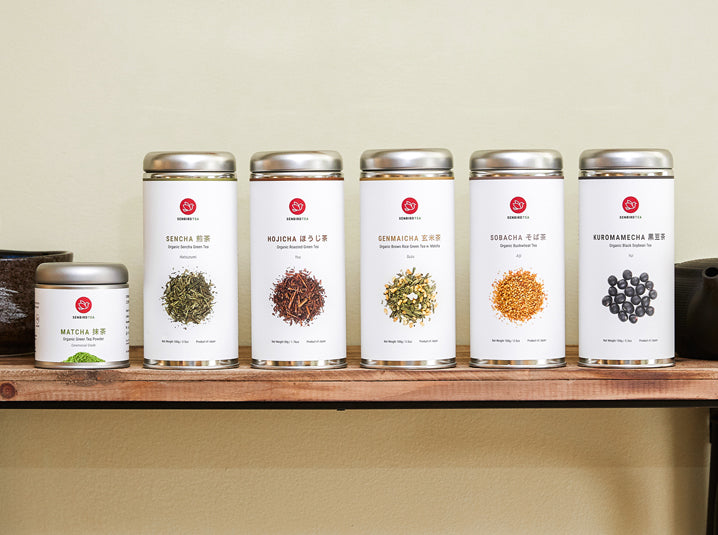
Japanese green tea encompasses over a dozen distinct types, all made from the same Camellia sinensis plant but differentiated by growing conditions, harvest timing, and processing methods. The major types are sencha (the most popular, representing 80% of Japanese tea), matcha (shade-grown and stone-ground into powder), gyokuro (the most premium shade-grown leaf tea), hojicha (roasted for a nutty flavor), genmaicha (blended with roasted brown rice), bancha (everyday tea from later harvests), and kukicha (made from stems and twigs).
Japan produces some of the most diverse and refined green teas in the world, yet many tea drinkers outside Japan know only matcha and perhaps sencha. This guide is a comprehensive taxonomy of every major Japanese green tea type-their flavor profiles, caffeine levels, health benefits, ideal brewing parameters, and best use cases. Whether you are building your first Japanese tea collection or expanding an existing one, understanding these types helps you choose the right tea for every occasion and preference.
Sencha is the foundation of Japanese tea culture, accounting for approximately 80% of all tea produced and consumed in Japan. It is the tea served in homes, restaurants, and offices throughout the country.
Production: Sencha leaves are grown in full sunlight, harvested in spring through early summer, and immediately steamed to prevent oxidation (unlike Chinese green teas, which are pan-fired). The leaves are then rolled into their characteristic needle shape and dried. Standard steaming lasts 30-40 seconds; deep steaming (fukamushi) extends this to 60-120 seconds for a richer, more full-bodied brew.
Flavor: Well-made sencha balances sweetness and pleasant astringency with grassy, marine, and sometimes vegetal notes. The flavor varies significantly by cultivar, region, and steaming duration. Senbird Tea's Fukamushi Sencha Moriki and Sakura Sencha showcase the range possible within this single category.

Sencha is the most popular, accounting for approximately 80% of all tea consumed in Japan. It is the standard everyday tea served in homes, restaurants, and workplaces across the country. Globally, matcha has gained more visibility due to its use in lattes and health food products, but within Japan, sencha remains the dominant daily tea.
Matcha delivers the most nutrients per serving because you consume the entire leaf, ingesting all catechins, L-theanine, chlorophyll, and fiber. A single matcha serving provides 3 times the EGCG, 10 times the L-theanine, and measurable fiber that steeped teas cannot deliver. However, all Japanese green teas offer significant health benefits through their catechin and antioxidant content.
Among true teas (Camellia sinensis), kukicha has the least caffeine at 5-10 mg per cup, followed by hojicha at 7-8 mg. For completely caffeine-free options, Japanese herbal teas like mugicha (barley), kuromamecha (black soybean), and sobacha (buckwheat) contain zero caffeine.
Flavor varies dramatically by type: sencha tastes grassy and balanced, matcha is rich and umami, gyokuro is profoundly sweet and savory, hojicha is roasted and nutty, genmaicha is toasty with grain notes, and kukicha is mild and creamy. The common thread is that Japanese green teas are steamed (not pan-fired like Chinese varieties), giving them a fresh, vegetal character distinct from any other tea tradition.
Start with sencha-it is Japan's most popular tea for good reason: balanced flavor, moderate caffeine, and forgiving brewing. From there, try hojicha if you like roasted flavors, genmaicha if you prefer grain and toasty notes, or matcha if you want maximum energy and nutrients. Gyokuro is best saved until you have developed a palate for green tea, as its intense umami is an acquired appreciation for many Western drinkers.
煎茶はつづみ
A deep-steamed first harvest green tea with a fresh, full-bodied flavor that offers a vibrant daily ritual supporting focus and well-being.