

Ghanta mantra meditation is a breathing technique where you silently repeat a phrase—such as "When I breathe in, I feel energized; when I breathe out, I feel relaxed"—in rhythm with each inhale and exhale. Pairing this practice with tea creates a sensory anchor that deepens focus and turns an everyday ritual into a mindful reset.
This is Episode 3 of the Meditate With Tea podcast series from Senbird Tea. In this episode, we guide you through a complete ghanta mantra meditation session that you can follow along with at home. If you haven’t listened yet, start with Episode 1: Belly Breathing and Episode 2: Tea Meditation.
Ghanta (also spelled "mantra") meditation is the practice of linking your breath to a repeated phrase. Think of your mind as a puppy—thoughts run in every direction with excitement. A mantra acts like a leash, giving the mind something specific to return to whenever it wanders. This is one of the most accessible meditation techniques because the phrase occupies the thinking mind, making it easier to stay present than silent meditation alone. Research published in the Journal of Cognitive Enhancement found that mantra-based meditation can reduce mind-wandering and improve sustained attention after just a few sessions.
Tea and meditation share a long history in Japanese culture. The act of preparing and drinking tea engages all five senses—the warmth of the cup in your hands, the aroma rising from the surface, the quiet ritual of steeping. This multi-sensory engagement creates a natural transition from a busy mind into a more present state. At Senbird Tea, we believe that a daily cup of tea is already a form of mindfulness; adding a guided meditation simply deepens the experience. Read more in our full guide on how to meditate with tea.
Follow these steps along with the Spotify audio above, or practice on your own at any time.
The ghanta phrase for this session is:
"When I breathe in, I feel energized. When I breathe out, I feel relaxed."
Repeat this phrase silently in your mind, timing each half to your natural inhale and exhale. There is no need to force the breath—let it flow naturally while the words follow along.
| Mantra Meditation | Breath-Focused | Body Scan | |
|---|---|---|---|
| Focus Point | Repeated phrase | Sensation of breathing | Physical sensations |
| Difficulty | Beginner-friendly | Moderate | Moderate |
| Best For | Calming a busy mind | Stress relief | Tension release |
| Duration | 5–20 minutes | 5–30 minutes | 10–45 minutes |
| Tea Pairing | Any calming tea | Gyokuro or sencha | Hojicha or herbal |
Any phrase that feels calming and positive works. In this episode, we use "When I breathe in, I feel energized; when I breathe out, I feel relaxed." You can also try simple phrases like "I am here" or "peace" on each exhale. The key is that the phrase is short enough to match your breath rhythm.
Start with 5 minutes and gradually extend to 10–20 minutes as the practice becomes comfortable. Even short sessions offer measurable benefits for focus and stress reduction.
Yes. In the Senbird Tea meditation practice, we recommend brewing tea beforehand and sipping mindfully after the meditation ends. Some practitioners also take a sip between meditation rounds as a sensory reset.
Teas with L-theanine, such as gyokuro and sencha, promote calm alertness that supports meditation. Hojicha and herbal teas like sobacha are also excellent choices for evening meditation due to their low caffeine content.
Not necessarily. While mantras have roots in Hindu and Buddhist traditions, the technique of repeating a calming phrase is secular and used widely in therapeutic settings. You can choose any phrase that resonates with you personally.
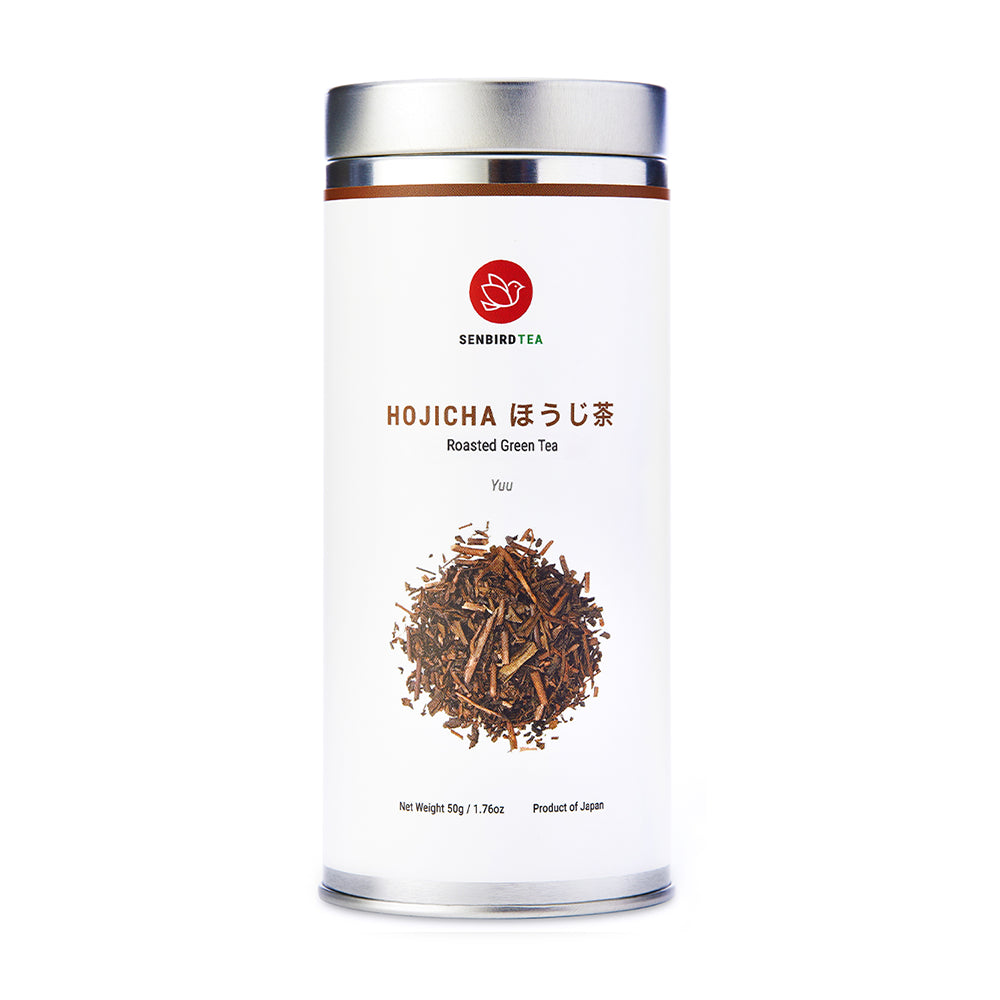
ほうじ茶優
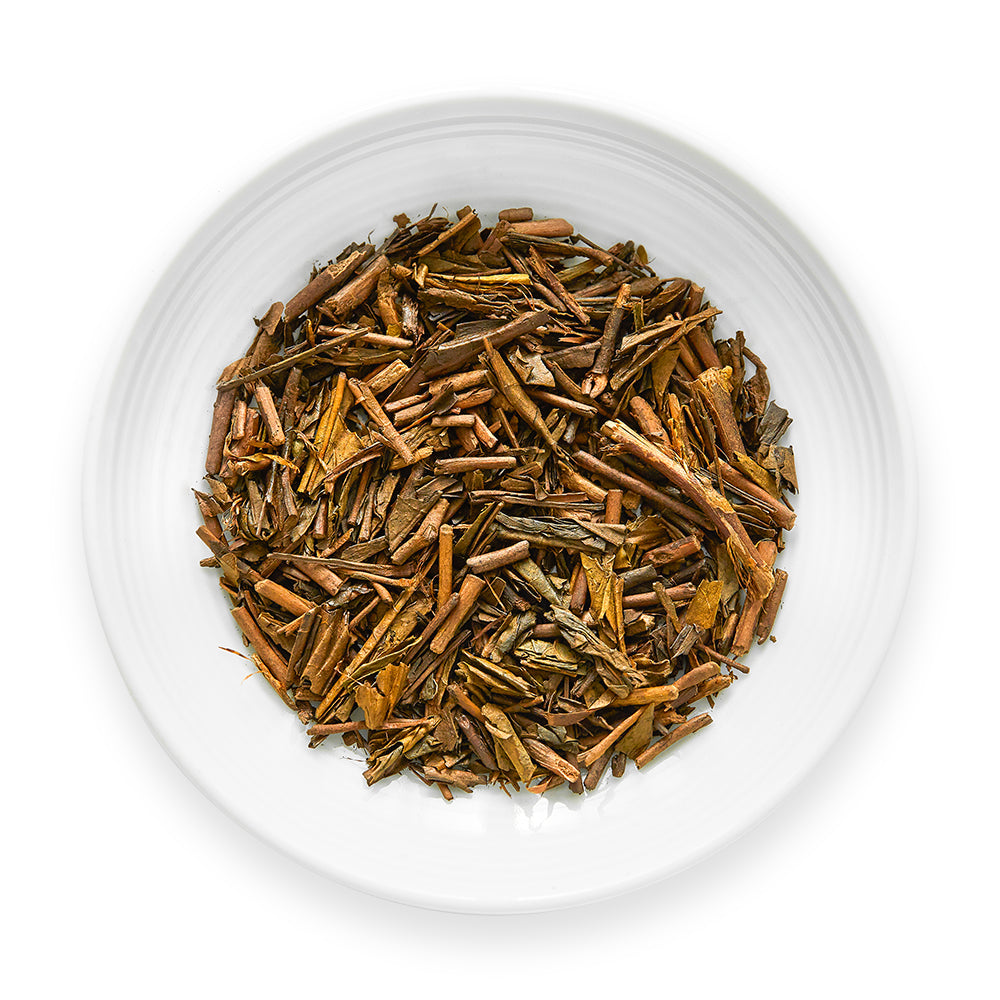
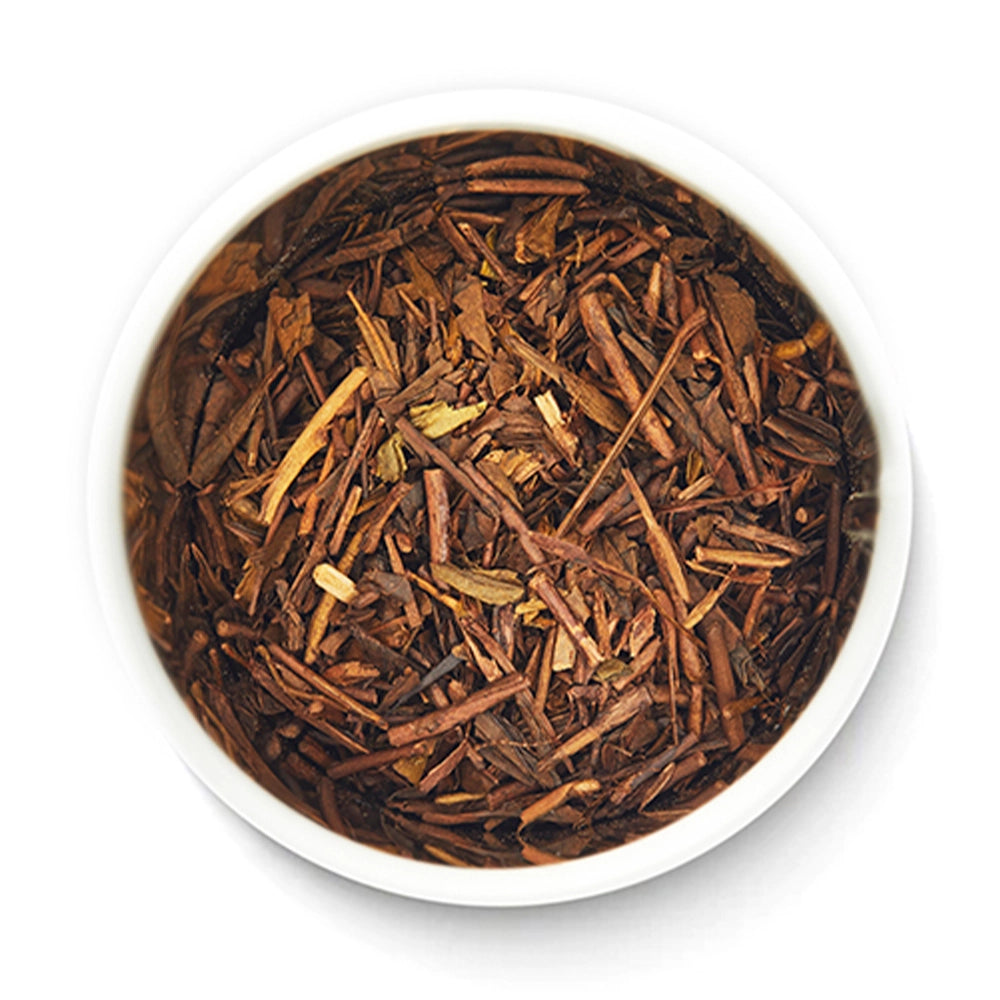
A low-caffeine roasted green tea from Shizuoka with a smooth, toasty flavor, ideal for digestion and evening relaxation.